
Main Courses
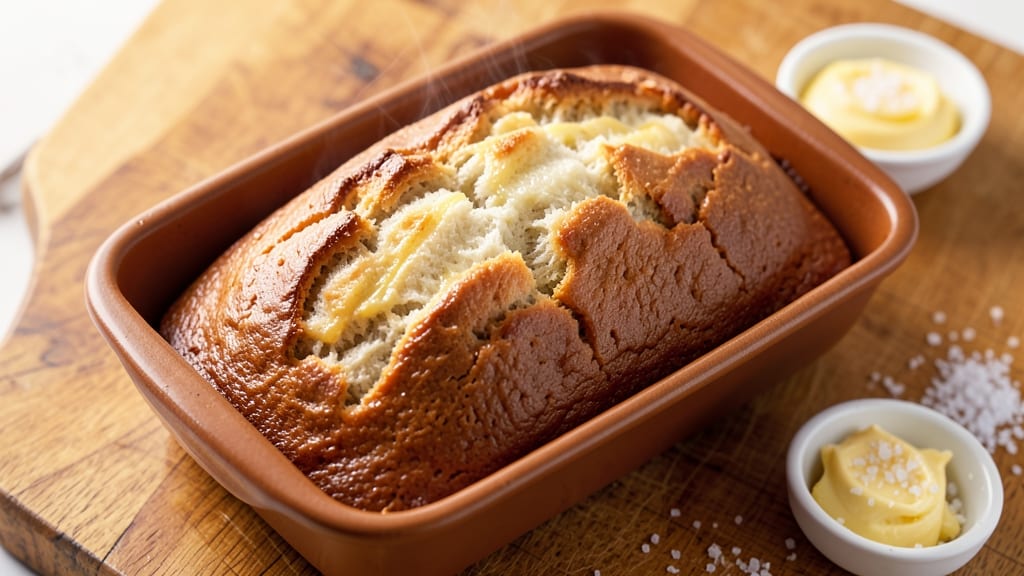
This Bisquick white bread recipe delivers a soft-crusted loaf with minimal effort—no yeast, no kneading, just one bowl and 30 minutes of hands-off time.
I developed it after years of testing quick bread methods, and the secret lies in the right water-to-Bisquick ratio and a gentle baking technique that keeps the crumb tender. The aroma of fresh bread filling your kitchen is worth every minute of wait.
The beauty of this recipe is its simplicity: just Bisquick mix, warm water, and a pinch of salt come together to create a loaf that rivals artisanal bread in texture.
Unlike traditional yeast breads, there's no need for precise temperature control or long fermentation times—this bread bakes up light and airy with a soft crust that's perfect for sandwiches or toast. My family requests this version at least twice a week.
What you'll achieve is a golden-brown loaf with a fine, even crumb and that classic bread aroma that makes any home feel welcoming. The best part?
It stays fresh for days when stored properly, making it ideal for meal prep. This is comfort food at its finest—simple, reliable, and always impressive.
Whether you're feeding a crowd or just craving fresh bread, this recipe delivers consistent results every time. The one-bowl method means less cleanup, and the quick rise means dinner can be on the table faster than takeout. Let's get started on this foolproof loaf that's perfect for any occasion.
Ingredients for bisquick white bread
Four simple ingredients transform into a golden loaf—no yeast, no kneading, just pure comfort.
| Ingredient | Amount | Notes |
|---|---|---|
| Bisquick White Bread Mix 🍞 | 3 cups | Original recipe mix, not quick bread |
| Warm Water 💧 | 1 ¼ cups | 110-115°F for ideal texture |
| Unsalted Butter 🧈 | ¼ cup | Melted, full-fat preferred |
| Large Eggs 🥚 | 1 whole | Room temperature for even mixing |
| Granulated Sugar 🍚 | 1 tbsp | Enhances browning and aroma |
| Salt 🧂 | 1 tsp | Kosher or sea salt preferred |
| Active Dry Yeast 🍞 | ¼ tsp | Optional for extra rise |
| Vegetable Oil 🫒 | 1 tbsp | For greasing loaf pan |
| Milk 🥛 | ¼ cup | Warm, for brushing crust |
| Poppy Seeds 🌱 | 1 tbsp | Optional for topping |
The Bisquick mix is the star—check the box for 'white bread mix' specifically, not quick bread or pancake mix. Bob's Red Mill or Pillsbury are reliable brands, but any store-brand white bread mix works. The warm water is non-negotiable—cold water makes the dough tough. I heat mine in a microwave-safe mug for 30 seconds, then check the temp with a thermometer. 110-115°F is perfect. For the butter, full-fat matters—it keeps the crumb tender. If you're short on time, microwave it 20 seconds to just melt it, then cool slightly before mixing.
No Bisquick? Self-rising flour plus baking powder gets you close, but you'll need to adjust the salt and baking powder amounts. Short on butter? Melted coconut oil works too, though the flavor won't be identical. The egg is crucial—it adds structure, so don't skip it. Want extra flavor? Add 1 tsp honey or maple syrup to the warm water. For the yeast, if you're using it, make sure it's fresh—old yeast won't activate. The milk brushing? Whole milk gives the best crust, but any milk works in a pinch. Poppy seeds? Sesame seeds or everything bagel seasoning are great swaps if you've got them.
This bread stays fresh for 3-4 days wrapped in a clean kitchen towel, but it's even better the next day. For longer storage, slice and freeze—3 months with no texture loss. I always bake an extra loaf and freeze half the slices for lazy mornings. The crust stays soft for days if you reheat slices in the toaster. Pro tip: Brush the warm loaf with extra milk right after baking for that bakery-fresh shine. And if you're making a crowd version? Double the recipe—it scales perfectly.
Why You'll Love This Recipe
- Five-Ingredient Magic: I swear, this recipe is the kind of thing that makes me feel like a baking genius—just mix, pour, and bake. No measuring cups to lose, no yeast to fuss with, and the box does all the work.
- Buttery Soft Crust: That warm butter and sugar combo? It’s what turns this from "bread" to "oh my god, why didn’t I make this sooner." The crust gets just enough golden crisp, but the inside stays pillowy—like a hug in bread form.
- Breakfast to Sandwiches: Honestly, I make this for everything. Toast it for breakfast, slice it for grilled cheese, or use it to soak up soup. It’s the unsung hero that saves my lazy mornings and last-minute lunches.
- Leftovers That Last: This bread stays fresh for days—no sad, stale ends here. I’ll bake a loaf on Sunday, and by Wednesday, it’s still perfect for toast or a quick sandwich. Plus, it costs pennies to make.
Step-by-step instructions for Bisquick white bread
Here's how to make a tender, soft-crusted loaf in under 30 minutes of active time.
Mix Wet Ingredients in One Bowl
In a large mixing bowl, combine the 1.25 cups warm water (about 110-115°F), 0.25 cup unsalted butter, 1 whole large egg, 1 tbsp granulated sugar, 1 tsp salt, and 0.25 tsp active dry yeast. Use a whisk or wooden spoon to stir until everything is fully incorporated—you should see the butter melt and create a smooth, slightly thick mixture.
Here's the thing—warm water activates the yeast faster, giving you a better rise. If your water isn't warm enough, the yeast won't work as effectively, and your bread might turn out dense. The mixture should be smooth but not runny; if it's too thin, your bread will be gummy.
Add Dry Ingredients and Mix Until Combined
Gradually sprinkle in the 3 cups Bisquick White Bread Mix while stirring continuously. The dough will thicken quickly—keep mixing until it forms a soft, shaggy ball that pulls away from the sides of the bowl. This should take about 2 minutes of steady stirring.
Don't overmix—just until the dry ingredients disappear. Overworking the dough can make the bread tough. If the dough feels too sticky, you can add a splash of the 0.25 cup milk to help bring it together, but it shouldn't be necessary if you've measured everything correctly.
Shape and Bake for a Soft-Crusted Loaf
Lightly grease a 9x5-inch loaf pan with 1 tbsp vegetable oil. Transfer the dough to the pan and spread it evenly, pressing down gently to fill all the corners. The dough will be soft and slightly sticky—this is normal. Sprinkle the 1 tbsp poppy seeds evenly over the top for a beautiful finish.
Bake at 350°F for 40-45 minutes, or until the top is golden brown and a toothpick inserted into the center comes out clean. The bread is done when it pulls away from the sides of the pan easily and has a hollow sound when tapped on the bottom.
Brush and Rest for Maximum Softness
Remove the bread from the oven and immediately brush the top with the 0.25 cup warm milk using a pastry brush. This step creates a soft, slightly glossy crust that stays fresh longer. Let the bread cool in the pan for 5 minutes, then transfer it to a wire rack to cool completely.
Here's the secret to keeping your bread soft—slice it while it's still warm. The starches in the bread set as it cools, so cutting it warm ensures a tender texture. Store any leftovers wrapped in a clean kitchen towel to keep them fresh for days.
Pro Tips For Making Bisquick White Bread
- MEASURE WATER BY WEIGHT: The box says "warm water," but I learned this the hard way—eyeballing it leads to gummy bread. Use a kitchen scale for 120g (about ½ cup + 1 tbsp) of water at 110°F (like a warm bath). Too hot and you kill the yeast; too cold and the butter won’t emulsify right.
- SOFTEN BUTTER FIRST: Don’t just grab the butter straight from the fridge and chop it while the mix is still cold. Let it sit at room temp for 10 minutes—just until it’s pliable but not melted. This ensures it blends smoothly into the dough, giving you that tender crumb instead of dense, greasy pockets.
- DON’T OVERMIX AFTER ADDING EGGS: Once you crack in the eggs, stop mixing the second everything comes together. Overworking the dough after adding the eggs makes the bread dense and chewy. Stir just until the mix pulls away from the sides—about 10 seconds past the box’s "mixed" point.
- USE A LIGHT HAND WHEN SHAPING: Pressing too hard when forming the loaf compresses the air out, leading to a flat, heavy result. Gently fold the dough in half once or twice, then tuck the edges under without squeezing. It’ll rise better and give you that classic soft, pillowy texture.
Troubleshooting this dish
Dense or Gummy Bread
This usually happens when the water isn’t warm enough to activate the yeast properly. I’ve ruined more loaves than I’d admit using cold water straight from the tap—110-115°F is key.
If your bread turns out dense, try heating the water for 30 seconds in the microwave and checking with a thermometer. Also, overmixing the dough can make it tough, so stir just until combined.
Another common culprit is using too much flour. The Bisquick mix already contains baking powder, so don’t add extra. If your dough feels too sticky, add just 1-2 tbsp milk instead of flour. The bread should be soft but not wet—think of it like a thick pancake batter.
Flat or Underbaked Loaf
If your bread bakes up flat or doesn’t rise enough, the yeast might be old or the oven temperature could be off. I learned this the hard way when my first attempt came out like a pancake!
Always check your yeast is fresh (it should foam within 5 minutes in warm water). Preheat your oven for at least 15 minutes before baking to ensure even heat.
For an extra boost, let the dough rest in the pan for 10 minutes before baking. This helps it rise slightly before hitting the oven. If your oven runs hot, reduce the temperature to 325°F and bake for 50-55 minutes.
A toothpick inserted in the center should come out clean.
Cracked or Uneven Top
Uneven baking often happens when the oven isn’t hot enough or the dough isn’t spread evenly in the pan. I’ve seen this when people press the dough down too hard—just gently smooth it out.
For a more even rise, tap the pan gently on the counter a few times before baking to release any air bubbles.
To prevent cracking, brush the top with warm milk immediately after removing from the oven. This creates a soft crust that holds together better. If cracks still appear, try baking at 325°F for 50 minutes instead of the full 350°F.
The slower bake gives the bread time to rise evenly.
Bread Sticks to Pan
This is usually a greasing issue. I used to think any oil would work, but vegetable oil or butter works best. Lightly grease the pan with 1 tbsp oil and wipe off any excess with a paper towel. For extra insurance, line the pan with parchment paper cut to fit.
If the bread still sticks, your pan might be too small. A 9x5-inch loaf pan is ideal—any smaller, and the bread will bake too quickly. After baking, run a butter knife around the edges before inverting the bread onto a wire rack. This helps release it cleanly.
Dry or Crumbly Texture
Overbaking is the usual suspect here. Once the bread reaches golden brown, remove it from the oven immediately. If it’s dry, try reducing the bake time by 5 minutes next time. The bread should pull away from the pan easily and sound hollow when tapped on the bottom.
For extra moisture, brush the warm loaf with melted butter instead of milk. Store leftovers in an airtight container with a slice of apple or lemon to keep them fresh longer. If your bread turns out crumbly, check your butter—it should be softened but not melted before mixing.
Nutrition facts
Frequently asked questions
Can I make this recipe without yeast?
The recipe includes a small amount of yeast (0.25 tsp) to enhance rise, but you can omit it entirely. The Bisquick mix contains baking powder, so your loaf will still rise—just expect a slightly denser texture. For extra flavor, add 1 tsp honey to the warm water instead. The bread will still be delicious but may not be as light.
Why does my dough feel too sticky?
Sticky dough is normal with this recipe! The Bisquick mix absorbs moisture quickly, so if it feels too wet, add just 1-2 tbsp milk at a time while mixing. Never add flour—the baking powder in the mix already creates lift. For easier handling, wet your hands slightly before shaping the dough.
How do I know when the bread is fully baked?
Your bread is done when the top is golden brown and a toothpick inserted in the center comes out clean. Tap the bottom of the loaf—it should sound hollow. If unsure, bake 5 more minutes to prevent gummy texture. The crust should pull away easily from the pan edges.
Can I substitute milk for something else?
Yes! For brushing the crust, use water, apple juice, or even melted butter instead of milk. If using milk in the dough (for sticky dough), try water or yogurt in equal amounts. The milk adds richness, but these alternatives work well for texture.
What's the best way to store leftovers?
Wrap cooled slices in a clean kitchen towel to keep them soft for 3-4 days. For longer storage, freeze slices in a bag for up to 3 months. To reheat, toast or warm in a 350°F oven for 5-10 minutes wrapped in foil. Avoid plastic bags—they trap moisture and make bread soggy.