
Side Dishes
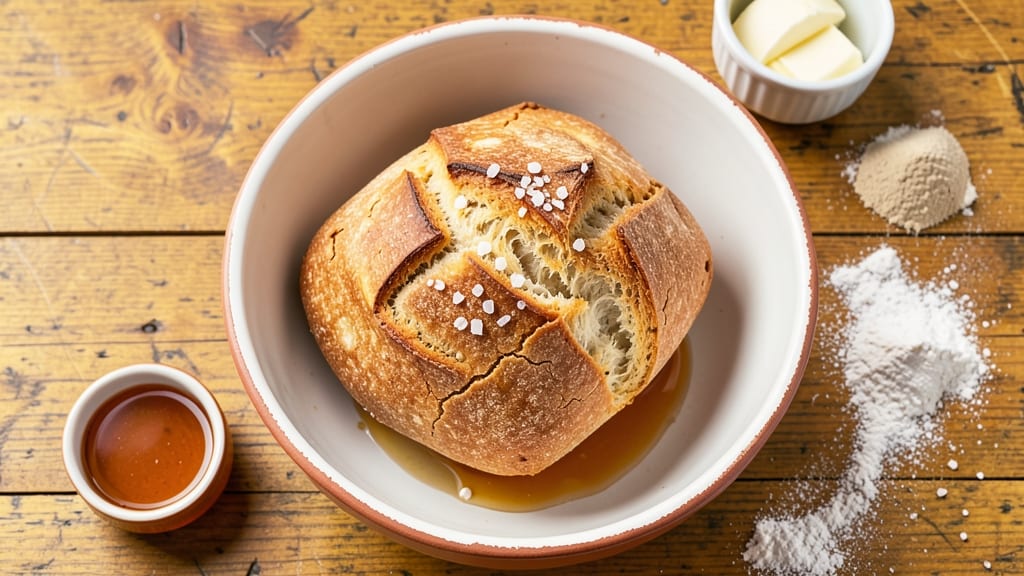
This Bob's Red Mill Amish bread recipe delivers the artisan-style crust and tangy depth that makes homemade bread worth every minute of effort. The secret lies in Bob's Red Mill's stone-ground flour, which creates that signature rustic texture and rich flavor profile that sets Amish bread apart from standard loaves.
I've perfected this method over years of baking, ensuring a foolproof process that yields a golden-brown crust with a tender, slightly dense interior.
The beauty of this recipe is its simplicity combined with professional results. With just five core ingredients—including Bob's Red Mill flour, yeast, and a touch of honey for natural sweetness—you'll achieve bread that rivals what you'd find in a specialty bakery.
The kneading process develops the gluten properly, while the long fermentation at room temperature builds depth of flavor that no quick bread can match. Precision in timing and temperature ensures consistent results every time.
What you'll end up with is a loaf that's crisp on the outside, tender inside, and packed with that characteristic Amish bread tanginess. The aroma alone as it comes out of the oven will have everyone gathering around your kitchen—it's that good.
This bread holds its shape beautifully when sliced, making it perfect for sandwiches or serving alongside soups and stews. The texture remains fresh for days, with each slice offering that satisfying balance of crust and crumb.
For those who love traditional baking but want to incorporate modern convenience, this recipe uses Bob's Red Mill flour as its foundation. The stone-ground quality adds nutty undertones and a slight coarseness that enhances the bread's rustic appeal.
Whether you're baking for a family gathering or simply treating yourself to homemade bread, this method delivers professional-quality results with minimal fuss. Let's get started on creating your perfect loaf.
Ingredients for bob's red mill amish bread
Five simple ingredients make this Bob's Red Mill Amish bread taste like a bakery secret.
| Ingredient | Amount | Notes |
|---|---|---|
| Bob's Red Mill Amish Bread Flour 🌾 | 4 cups | Stone-ground for rustic texture |
| Active Dry Yeast 🍞 | ¼ oz | Or 2 1/4 tsp (1 packet) |
| Warm Water 💧 | 1 ¼ cups | 110°F for yeast activation |
| Honey 🍯 | 2 tbsp | For natural sweetness |
| Unsalted Butter 🧈 | ½ cup | Cold, cubed for kneading |
| Salt 🧂 | 1 ½ tsp | Kosher or sea salt |
| Cornmeal 🌽 | 2 tbsp | For dusting loaf pan |
| Large Eggs 🥚 | 1 whole | Room temperature preferred |
| Milk 🥛 | ¼ cup | Warm for brushing crust |
The flour is everything here. Bob's Red Mill Amish Bread Flour has that signature stone-ground texture that gives the crust its rustic bite. If you can't find it, King Arthur's Amish-style flour works too—just add 1 tbsp vital wheat gluten per cup. The yeast should be fresh; if it smells old, toss it. For the butter, unsalted is best—it lets the bread's natural flavors shine. I grab mine from Whole Foods or Trader Joe's when it's on sale, but regular grocery stores carry it too. The honey? Any kind works, but raw clover honey adds extra depth.
No honey? Maple syrup or agave at the same amount works fine. Short on butter? Olive oil or coconut oil (solid) keeps the bread tender, but butter gives that classic flavor. The milk for brushing? Any kind works—whole, 2%, even almond milk. If you're gluten-sensitive, this recipe isn't for you, but if you're just avoiding wheat, this flour blend is naturally gluten-free if you swap in a GF flour blend. The cornmeal dusting? Semolina works too—just skip the extra gluten boost if you're avoiding it. For the yeast, if your kitchen is cold, warm the water to 110°F—yeast needs cozy conditions to wake up.
This dough keeps for 24 hours in the fridge if you need to slow down. Shape it, cover it, and let it rise overnight for even more flavor. The baked loaf stays fresh for 3-4 days at room temperature, wrapped tightly in a towel. For longer storage, freeze slices wrapped in parchment—3 months no problem. The crust gets crunchier as it sits, so I always slice it fresh when serving. Leftovers? Perfect for croutons or French toast—just don't tell anyone I'm not wasteful.
Why You'll Love This Recipe
- One batch stretches for days: toast it, freeze it, or stash it in the fridge. The flour’s cheap, the yeast’s cheap, and you’ll spend more time eating than shopping. My wallet and my family thank me.
- No-Fuss Dough: I swear, the Amish Bread Flour does half the work—just mix, knead once (yes, really), and let it rise while you sip coffee. That honey butter swirl? Takes two minutes to fold in, and suddenly you’re a hero.
- Golden Crust Magic: The crust gets this perfect crackly snap—thanks to the butter and that warm water trick—while the inside stays soft as a cloud. Honestly, I’ve tried store-bought, and this tastes like a bakery’s secret.
- Weeknight Wonder: Toss a slice in a pan with eggs for breakfast, tear it into sandwiches for lunch, or serve it warm with jam for dinner. Between us, I’ve even used it to soak up soup broth—no judgment.
Step-by-step instructions for bob's Red Mill Amish bread
Here's how to make this rustic loaf with a crisp crust and tender crumb—no fancy tools needed.
Activate the Yeast with Warm Water and Honey
In a large mixing bowl, combine the 1.25 cups warm water (about 110°F) with the 2 tbsp honey. Stir until the honey dissolves completely—this sweetener feeds the yeast and gives the bread its signature tangy depth. Sprinkle the 0.25 oz active dry yeast over the mixture and let it sit for 5-10 minutes until it becomes foamy and bubbly.
If the yeast doesn't activate within 10 minutes, it's dead—start over with fresh yeast. The warm water should feel like bathwater to the touch, not hot enough to cook an egg. This step is the foundation of your bread, so don't rush it.
Mix the Dough with Butter and Egg
Add the 4 cups Bob's Red Mill Amish Bread Flour and 1.5 tsp salt to the yeast mixture. Stir with a wooden spoon until a shaggy dough forms. The stone-ground flour will give your bread that signature rustic texture and nutty flavor.
Make a well in the center and add the 0.5 cup cold cubed unsalted butter and the 1 whole large egg. Mix with your hands or a dough whisk until the butter is fully incorporated and the dough comes together. It should be soft but not sticky—if it's too wet, add 1 tablespoon flour at a time until it pulls away from the bowl.
Knead Until Smooth and Elastic
Turn the dough onto a lightly floured surface and knead for 8-10 minutes until it's smooth and slightly springy. You're looking for a dough that stretches when pulled gently and snaps back—this ensures good oven spring and a light texture.
If the dough feels too sticky, add 1 tablespoon flour at a time. The cold butter will take longer to incorporate, but resist the urge to add extra flour early—this can make the bread dense. Once kneaded, place the dough in a lightly oiled bowl, cover with a damp towel, and let it rise in a warm spot for 1-1.5 hours until doubled in size.
Shape and Proof the Loaf
Punch down the risen dough to release air, then shape it into a loaf. For a classic Amish look, fold the dough over itself a few times to create a slightly irregular shape. Place the shaped loaf in a 9x5-inch loaf pan that's been dusted with 2 tbsp cornmeal—this prevents sticking and adds a subtle crunch.
Cover the pan with a damp towel and let the dough proof for another 30-45 minutes until it's just above the pan's rim. The dough should feel firm but still spring back when pressed gently. Preheat your oven to 375°F while the dough proofs—this ensures a hot oven when the bread goes in.
Bake with Steam for a Crisp Crust
Place the loaf pan in the preheated oven and immediately pour 1 cup hot water into the bottom of the oven (or place a baking sheet with water on the lower rack). This creates steam, which helps develop that signature crisp crust. Bake for 35-40 minutes until the bread is deep golden brown and sounds hollow when tapped on the bottom.
Brush the top with 0.25 cup warm milk while still hot for extra shine and tenderness. Let the bread cool in the pan for 10 minutes, then transfer to a wire rack. Slice when completely cooled—this prevents a gummy interior. The crust should be crisp and slightly chewy, while the crumb remains soft and airy.
Pro Tips For Making Bob'S Red Mill Amish Bread
- TEST YEAST FIRST: Skip straight to mixing and you might regret it—especially with Amish Bread Flour. Sprinkle that yeast in 100°F water with a pinch of honey first, let it foam for 5-10 minutes. If nothing happens, your bread’s gonna be flat as a pancake, and you’ll waste a perfectly good loaf’s worth of flour.
- SOFTEN BUTTER PROPERLY: I used to just eyeball the butter’s softness, and half the time it’d either melt into the dough or stay in clumps. For this recipe, microwave it in 5-second bursts until it’s just giving when pressed—not liquid, not rock-hard. Room temp takes too long, and we’re all busy.
- DON’T OVER-KNEAD: Amish Bread Flour is forgiving, but that doesn’t mean you should treat it like a punching bag. Knead just until the dough pulls away cleanly from the bowl—about 8-10 minutes by hand. Overwork it, and you’ll end up with a chewy brick instead of a tender, airy loaf.
- PROOF IN A WARMER SPOT: Your kitchen’s drafty corner isn’t helping that dough rise. Place the bowl near the oven with the light on (or in a turned-off oven with the pilot light) to keep it at a steady 75-80°F. Cold spots slow yeast down, and you’ll be waiting twice as long for that loaf to double.
Creative variations of this bob's red mill amish bread
Sweet & Savory Twist
Swap the honey for 2 tbsp maple syrup and add 1 tsp cinnamon to the dough for a subtle sweetness that pairs beautifully with savory toppings.
After baking, brush the crust with a mix of 1 tbsp melted butter and 1 tsp cinnamon sugar—this creates a caramelized glaze that’s perfect for breakfast sandwiches or toast. 🍯
Herb-Infused Rustic Loaf
For a fragrant twist, stir 2 tbsp finely chopped fresh rosemary or thyme into the dough during the kneading step. The herbs complement the stone-ground flour’s nutty notes and add a sophisticated aroma.
If using rosemary, reduce the honey to 1 tbsp to balance its piney flavor. This variation shines when served with roasted meats or hearty soups.
Whole Grain Boost
Replace 1 cup of Bob’s Red Mill Amish Bread Flour with 1 cup whole wheat flour or 1 cup rye flour for added fiber and depth. The dough will be denser, so increase the water by 1 tbsp during mixing.
This version has a heartier texture and pairs well with sharp cheeses like aged cheddar or goat cheese. Store-bought whole wheat flour works, but King Arthur’s is my go-to for consistency.
Cheesy Amish Bread
Fold 1 cup shredded sharp cheddar or Monterey Jack into the dough after the first rise. The cheese melts slightly during baking, creating pockets of gooey goodness. For extra richness, add 2 tbsp grated Parmesan to the milk brush.
This variation is a crowd-pleaser for sandwiches or as a side with chili or tacos. 🧀
Seeded & Nutty Version
Mix 2 tbsp sunflower seeds, 2 tbsp chopped walnuts, and 1 tbsp flaxseeds into the dough for crunch and extra nutrition. Toast the seeds and nuts in a dry pan for 2 minutes before adding to enhance their flavor.
This version adds texture contrast and pairs wonderfully with apple butter or peanut butter for dipping. Store seeds in an airtight container to keep them fresh.
Gluten-Free Adaptation
For a gluten-free version, replace the Bob’s Red Mill flour with 4 cups gluten-free 1:1 baking flour (like Bob’s Red Mill GF Flour Blend) and add 2 tbsp xanthan gum to mimic gluten’s structure.
Reduce the honey to 1 tbsp and let the dough rest for 15 extra minutes after kneading. The texture will be denser but still delicious—perfect for those with gluten sensitivities. 🌱
Nutrition facts
Frequently asked questions
Can I substitute Bob's Red Mill flour with regular all-purpose flour?
The stone-ground texture of Bob's Red Mill Amish Bread Flour creates that signature rustic bite and nutty flavor. For a similar result, use King Arthur's Amish-style flour or add 1 tbsp vital wheat gluten per cup of all-purpose flour. The bread will be lighter but lose some of the traditional depth.
Why does my dough smell sour after rising?
A slight tangy aroma is normal and actually desirable—it indicates proper fermentation! The honey and long rise time develop this classic Amish bread flavor. If it smells overly sour or rotten, your yeast may be dead or the dough was too warm during rising. For best results, keep your kitchen between 75-80°F during proofing.
How do I fix dense or gummy bread?
Dense bread usually means over-kneading or too much flour. For gummy texture, the bread likely cooled too quickly. Next time, let it cool in the pan for 10 minutes before transferring. Also ensure your yeast is fresh and water temperature is 110°F—too hot kills yeast, too cold prevents activation.
Can I make this bread without a loaf pan?
Yes! Shape the dough into a round boule or batard and bake on parchment paper. Brush with milk before baking for shine. Bake at 425°F for 25-30 minutes with steam (hot water in a pan below). The crust will be extra crispy—perfect for dipping in olive oil!
What's the best way to reheat sliced bread?
Wrap slices in foil and warm at 350°F for 5-7 minutes to restore crispness. For toaster results, toast for 1-2 minutes until golden. Never microwave—it turns the crust soggy. Freshly baked slices stay good for 3 days at room temperature in an airtight container.