
Side Dishes
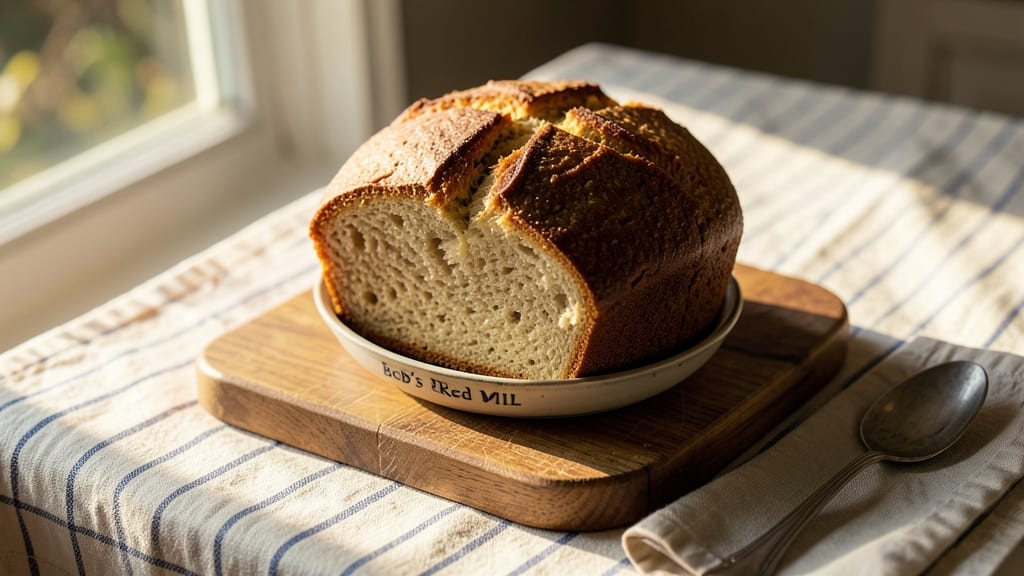
This Bob's Red Mill Irish soda bread recipe delivers the perfect balance of a crisp golden crust and buttery-soft interior—just like Ireland’s finest bakeries. The secret lies in its simple ingredients: coarse whole wheat flour, tangy buttermilk, and a touch of baking soda for that signature rise.
I’ve perfected this version over years of baking, ensuring every loaf turns out tender yet rustic, with a crumb that’s impossibly light for a no-yeast bread.
The beauty of Irish soda bread is its simplicity—no yeast, no waiting for long rises, and just five core ingredients. Bob’s Red Mill’s whole wheat flour adds a subtle nuttiness that pairs perfectly with the buttermilk’s tang, while a sprinkle of coarse salt enhances every bite.
The bread bakes in under an hour, making it ideal for weeknight dinners or holiday sides. Whether you’re serving it with soup or slathering it with butter, the texture is what makes it unforgettable.
What sets this recipe apart is the traditional method of mixing everything by hand—no electric mixer needed. The dough comes together quickly, and shaping it into a round loaf with a cross on top isn’t just for looks; it helps the bread bake evenly.
That cross also creates a crispy, caramelized edge that’s too tempting to resist. The result? A loaf with a crackly crust and a crumb so soft it practically melts in your mouth.
For added depth, consider mixing in seeds like poppy or flax, or even a pinch of rosemary for an herb-infused twist. This bread keeps well for days, making it perfect for meal prep or gifting.
Ready to bake a loaf that tastes like home? Here’s how to make it—step by step.
Ingredients for bob's red mill irish soda bread
Five core ingredients transform into Ireland's iconic rustic bread with a crisp crust and buttery crumb.
| Ingredient | Amount | Notes |
|---|---|---|
| Bob's Red Mill Whole Wheat Flour 🌾 | 3 cups | Coarse grind preferred for texture |
| Buttermilk 🥛 | 1 cup | Full-fat for best flavor |
| Unsalted Butter 🧈 | ½ cup | Cold, cubed for easier mixing |
| Baking Soda 🧂 | 1 tsp | Freshly opened for best rise |
| Coarse Sea Salt 🧂 | 1 ½ tsp | Kosher or Maldon preferred |
| Poppy Seeds 🌱 | 1 tbsp | Optional for added texture |
| Fresh Rosemary 🌿 | 1 tbsp | Chopped, optional herb infusion |
| Flour for Dusting 🌾 | ¼ cup | Same type as recipe |
| Milk 🥛 | 1 tbsp | For brushing crust (optional) |
The Bob's Red Mill whole wheat flour is non-negotiable here—its coarse grind creates that signature rustic texture. Grab a 5-pound bag from their website or your local grocery store's bulk section to ensure you're getting the real deal. The buttermilk should be full-fat for that authentic tang, and if you can't find it, mix 1 cup milk with 1 tbsp vinegar or lemon juice, let it sit for 5 minutes. The baking soda needs to be freshly opened—old soda loses its lift. For the salt, Maldon flaky sea salt gives the best crunch, but Diamond Crystal kosher salt works too. The poppy seeds and rosemary are optional but add that extra layer of complexity that makes this bread feel special.
No buttermilk? Plain yogurt thinned with milk works in a pinch. Short on rosemary? Dried works at half the amount, but fresh is always better. The butter should be cold when you mix it in—softened is fine, but melted will make your dough too sticky. If you're feeling adventurous, swap half the whole wheat flour for all-purpose flour for a slightly lighter crumb, but the whole wheat is what gives this bread its soul. The milk for brushing? Any milk works, but whole milk gives the crust that golden hue. And if you're wondering about the cross on top—it's not just decoration. That pattern helps the bread bake evenly and creates those beautiful crispy edges.
This bread keeps well at room temperature for 2 days wrapped in a clean kitchen towel. For longer storage, freeze the whole loaf for up to 3 months—thaw at room temperature before serving. The best part? It reheats beautifully. Wrap cooled slices in foil and warm in a 300°F oven for 5 minutes to restore that fresh-from-the-oven feel. I like to portion mine into single-slice wraps for easy grab-and-go breakfasts during the week. The flavor actually improves after the first day as the crumb softens and the crust dries just enough to get crispy again.
Why You'll Love This Recipe
- No-Fuss Mixing: I swear by this—just toss the whole wheat flour, buttermilk, and cold butter into a bowl, stir until it holds together, and you’re done. No kneading, no waiting for dough to rise. The baking soda does all the work while you sip coffee.
- Tangy, Toasty Magic: That buttermilk tang cuts through the hearty whole wheat, while the coarse sea salt on top? Pure flavor payoff. It’s got this rustic crunch with a soft, buttery crumb—like a hug in bread form.
- Weeknight Hero: Pull it out of the oven, slice it up, and suddenly you’ve got toast for breakfast, sandwiches for lunch, and a side for dinner. Honestly, I make a batch every Sunday and forget it’s even there until someone asks for seconds.
- Budget Bread Wins: A loaf costs me pennies, feeds four, and keeps for days in the freezer. The whole wheat flour adds fiber, the butter makes it satisfying, and the leftovers turn into croutons or breadcrumbs. Zero waste, all flavor.
Step-by-step instructions for bob's Red Mill Irish soda bread
Here's the method for a perfectly textured Irish soda bread with a rustic crust and tender crumb.
Prepare the Dough with Cold Butter
In a large mixing bowl, combine the 3 cups Bob's Red Mill Whole Wheat Flour, 1 tsp Baking Soda, and 1.5 tsp Coarse Sea Salt. The coarse grind of this flour creates that signature rustic texture we're after. Make a well in the center and add the 1 cup Buttermilk and 0.5 cup Unsalted Butter (cold, cubed). The cold butter will create pockets of flavor as it melts during baking.
Using a wooden spoon or your hands, gently mix until the dough begins to come together. You'll notice it's sticky—this is normal with whole wheat flour and buttermilk. Add the 1 tbsp Poppy Seeds and 1 tbsp Fresh Rosemary (chopped) and fold them in. The rosemary adds a subtle herbal note that pairs beautifully with the buttermilk's tang. The dough should be soft but manageable, not wet or crumbly. If it feels too sticky, add just enough of the 0.25 cup Flour for Dusting to make it workable.
Shape and Rest the Dough
Lightly flour a clean surface with about 1 tablespoon of the Flour for Dusting to prevent sticking. Turn out the dough and gently shape it into a round loaf, about 3 inches tall. Don't overwork it—just enough to form a cohesive shape. The rustic texture comes from the dough's natural imperfections, so don't worry about a perfectly smooth surface.
Place the shaped dough on a parchment-lined baking sheet. Cover loosely with a clean kitchen towel and let it rest at room temperature for 10-15 minutes. This brief rest allows the gluten to relax slightly, preventing the bread from becoming dense. While it rests, preheat your oven to 375°F. The residual heat from the oven will help create that signature crust once the bread goes in.
Bake for a Rustic Crust
Carefully transfer the dough to the preheated oven and bake for 45-50 minutes. You'll know it's done when the bread sounds hollow when tapped on the bottom and has developed a deep golden-brown crust. The interior should register 190-200°F on an instant-read thermometer—this ensures it's fully baked without being dry.
For extra shine and flavor, brush the top with the 1 tbsp Milk (warmed slightly) immediately after removing from the oven. This creates a subtle sheen and adds a hint of richness. Let the bread cool on a wire rack for at least 30 minutes before slicing. The milk brushing is optional but enhances the bread's appeal—it's that final touch that makes it look like it came from a countryside bakery.
Slice and Serve
Slice the bread with a serrated knife while it's still slightly warm for cleaner cuts. The interior should be tender with a slightly dense crumb—this is characteristic of Irish soda bread. Serve warm with butter, jam, or alongside soups and stews. The buttermilk's tang and the rosemary's herbal notes make this bread perfect for hearty meals.
This bread keeps well at room temperature for 2-3 days wrapped in a cloth or stored in an airtight container. For longer storage, slice and freeze between parchment paper. The rustic crust and tender crumb will remind you why this classic bread remains a staple.
Pro Tips For Making Bob'S Red Mill Irish Soda Bread
- MEASURE THE BUTTERMILK RIGHT: The recipe calls for 1½ cups buttermilk, but grab a liquid measuring cup and fill it to the exact line—no eyeballing. Whole wheat flour soaks up liquid differently than white flour, and even a little extra can make your dough too stiff to handle. I learned this after squishing a lumpy mess that refused to rise.
- LET THE DOUGH REST: After mixing, cover the bowl and set it aside for 10 minutes—yes, even if you’re itching to bake. This lets the baking soda activate fully and gives the gluten a chance to relax. Skipping it means a denser loaf that won’t have that signature tender crumb.
- USE COARSE SALT SPARINGLY: That coarse sea salt isn’t just for flavor—it’s for texture. Sprinkle it lightly on top before baking (about ½ teaspoon), but don’t go overboard. Too much will make the crust grainy and overpower the buttery richness. Trust me, you’ll taste the difference.
- BAKE UNTIL GOLDEN, NOT JUST DONE: The recipe says "until golden brown," but don’t pull it out at the first sign of color. Wait until the crust is a deep golden brown—almost like toasted bread—before testing with a skewer. Underbaked Irish soda bread stays gummy inside, and nobody wants that.
Perfect pairings for this bob's red mill irish soda bread
Classic Irish Pairings
This soda bread shines alongside Irish stew—the hearty beef, potatoes, and carrots soak up the bread's buttery crumb perfectly. I love serving it with smoked salmon and crème fraîche for a breakfast spread that feels like a countryside feast.
The bread's tangy buttermilk base cuts through the richness of Irish butter, making every bite more satisfying. 🥘
Sweet Complements
For a sweet twist, pair with clotted cream and strawberry jam—a classic Irish tea-time combination. I often serve slices with honey (preferably Irish heather honey) for dipping, or spread with whipped mascarpone and a sprinkle of toasted hazelnuts.
The bread's rustic texture contrasts beautifully with smooth spreads, creating the perfect balance. 🍯
Savory Dish Harmony
Use this bread as a base for Irish cheese boards—pair with young cheddar, blue cheese, and cured meats like Irish ham. The bread's slight density holds up well to bold flavors, while its herbal rosemary notes complement the richness.
For a lighter option, serve with chilled soups like leek and potato or cream of mushroom—the bread's crust adds satisfying texture. 🧀
Breakfast Brilliance
Transform into a hearty breakfast by topping slices with scrambled eggs, sautéed mushrooms, and crispy bacon. The bread's buttermilk tang balances the richness of eggs, while the rosemary adds an unexpected herbal depth.
For a vegan option, try avocado toast with chili flakes—the bread's texture makes it ideal for holding toppings without falling apart. 🍳
Beverage Pairings
Sip Irish breakfast tea (with Earl Grey or Darjeeling) alongside for a cozy pairing—the tannins cut through the bread's richness. For coffee lovers, a strong Irish coffee (with whiskey and whipped cream) elevates the experience. Even sparkling water with lemon works beautifully, letting the bread's flavors shine. ☕
Global Twists
For a fusion approach, pair with Mediterranean hummus and za'atar—the bread's rustic texture contrasts with the smooth dip. Or try Japanese miso soup with a side of pickled vegetables—the bread's herbal notes complement the umami flavors.
The versatility of Irish soda bread makes it a perfect canvas for global pairings. 🌍
Nutrition facts
Frequently asked questions
Why does Irish soda bread need baking soda instead of yeast?
Baking soda creates an instant chemical reaction with the buttermilk's acidity, producing carbon dioxide for rise without needing fermentation. This gives Irish soda bread its signature quick bake (45-50 minutes) and dense yet tender crumb. The reaction happens immediately when mixed, so don't let the dough sit too long before shaping!
Can I make this bread without buttermilk?
Yes! Mix 1 cup milk with 1 tbsp vinegar or lemon juice, let sit for 5 minutes until curdled. The acidity activates the baking soda just like buttermilk would. For extra richness, use whole milk. The tang remains the same—just as authentic!
What's the deal with the cross on top?
The cross isn't just decoration—it helps the bread bake evenly by creating channels for steam to escape, preventing cracks. Traditionally, it symbolizes protection (from the Celtic cross). Use a sharp knife to cut ½-inch deep crosses before baking for that bakery-style finish.
Why is my bread dense instead of tender?
Overmixing develops gluten, making the bread tough. Mix just until combined—sticky dough is normal! Also, ensure your baking soda is fresh (old soda loses lift). For extra tenderness, add 1 tbsp honey to the dough. The buttermilk should be cold too—warm buttermilk can slow the rise.
How can I make this vegan?
Swap the butter for vegan butter or coconut oil and use unsweetened almond milk + 1 tbsp vinegar instead of buttermilk. The texture stays rustic, and the flavor remains rich. For extra binding, add 1 tbsp ground flaxseed mixed with 3 tbsp water to the dough.