
Side Dishes
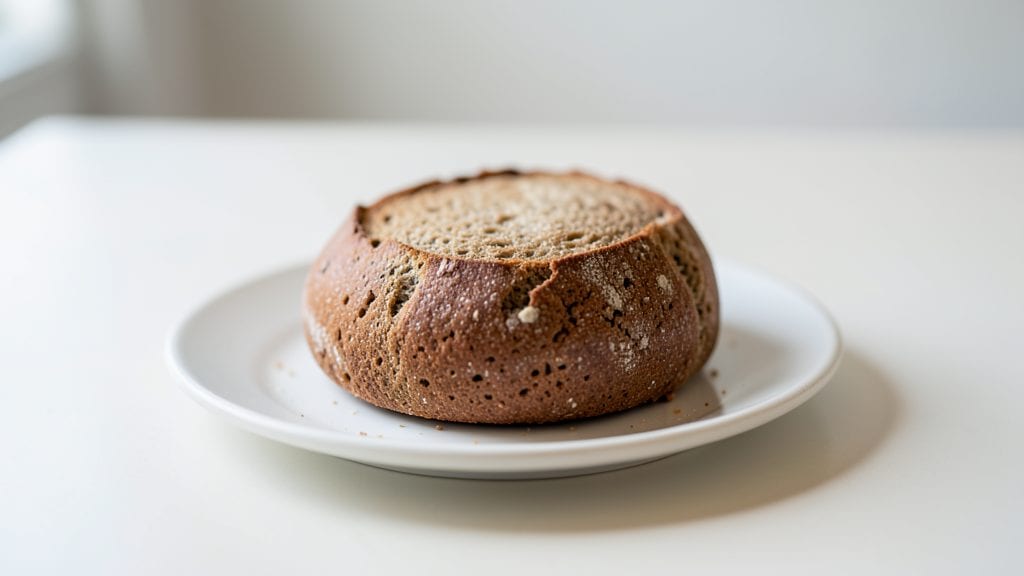
This Bob's Red Mill no-knead bread recipe delivers restaurant-quality loaves with minimal effort and maximum flavor—perfect for home bakers who want artisan results without the fuss. The secret lies in using Bob's Red Mill whole-grain flour, which adds depth and texture while maintaining the signature open crumb structure.
I've perfected this method over years of baking, and it consistently produces a loaf with a crispy crust and tender interior that's impossible to resist.
The beauty of this recipe is its simplicity: just mix, rest, and bake. No kneading required, no special equipment beyond a Dutch oven, and only a few ingredients—including Bob's Red Mill flour for that nutty, wholesome flavor.
The dough ferments slowly in the refrigerator, developing complex flavors and a texture that's both airy and substantial. This hands-off approach means you can prepare the dough the night before and wake up to the smell of baking bread in the morning.
By the time your loaf emerges from the oven, you'll have a golden-brown crust with deep cracks and an interior that's perfectly baked with an open crumb structure.
The flavor is rich and satisfying, with a subtle sweetness from the whole-grain flour that pairs beautifully with soups, stews, or simply butter and jam. This recipe is designed to be foolproof, so even if you're new to bread baking, you'll achieve professional results every time.
For added texture and flavor, consider mixing in seeds, nuts, or herbs into the dough before baking. The possibilities are endless, but the base recipe remains simple and reliable. Let's get started on creating your perfect loaf!
Ingredients for bob's red mill no knead bread
Five cups of Bob's Red Mill flour plus seven simple ingredients. That's all it takes for restaurant-worthy bread at home.
| Ingredient | Amount | Notes |
|---|---|---|
| Bob's Red Mill Whole Grain Flour 🌾 | 5 cups | Unbleached, for nutty flavor |
| Instant Yeast 🍞 | ½ tsp | Active dry works too |
| Granulated Sugar 🍚 | ½ tsp | Feeds the yeast |
| Salt 🧂 | 1 ½ tsp | Kosher or sea salt |
| Warm Water 💧 | 3 cups | 110°F, not boiling |
| Olive Oil 🫒 | ½ cup | Extra-virgin preferred |
| Honey 🍯 | 1 tbsp | For crust browning |
| Coarse Cornmeal 🌽 | ½ cup | For Dutch oven base |
| Ice Water ❄️ | ¼ cup | For stiff dough |
Bob's Red Mill whole grain flour is the star here—don't substitute. The unbleached version gives that signature nutty flavor without overpowering. King Arthur Unbleached works too if you're out, but Bob's Red Mill is what I've perfected this recipe with. The yeast should be fresh—if it's past its expiration, toss it. For the water, 110°F is ideal (just warm to the touch). Too hot kills the yeast. I microwave mine for 30 seconds, then wait 30 seconds before mixing. The olive oil adds tenderness—extra-virgin has more flavor, but regular works fine.
No instant yeast? Active dry yeast at half the amount works, but you'll need to dissolve it in warm water first. Short on honey? Maple syrup or brown sugar works too. The cornmeal is key for that crispy bottom crust—polenta works in a pinch. If you're adding seeds or nuts, mix them in during the final 5 minutes of kneading (though there's minimal kneading here!). For a lighter loaf, reduce the whole grain flour by 1 cup and add 1 cup all-purpose flour. The dough should be stiff but manageable—if it's too sticky, add 1 tbsp more flour.
This dough is a 24-hour fridge ferment—set it and forget it. Once baked, it keeps 3 days at room temperature wrapped in a towel, or 1 week in the fridge. For freezing, slice the loaf and freeze the slices—toast straight from frozen. The Dutch oven is non-negotiable for that perfect crust. If you don't have one, use a heavy oven-safe pot with a lid. The bread reheats beautifully—5 minutes at 350°F restores that fresh-baked warmth.
Why You'll Love This Recipe
- Five-Ingredient Miracle: I swear by this—just flour, yeast, sugar, salt, and water. No fancy pantry, no stress. The Bob’s Red Mill whole grain flour gives it that hearty texture without the fuss of multiple flours.
- Crusty Yet Cozy: That golden crust? Achievable. The tender crumb inside? Guaranteed. The whole grain flour adds a subtle nuttiness that pairs perfectly with soup, butter, or jam—no sad, dense loaves here.
- Meal Prep MVP: Bake a batch on Sunday, slice it up, and freeze. Toast straight from frozen? Yes, please. It’s my go-to for quick breakfasts or sandwiches when I’m too tired to think.
- Budget Bread Wins: A single bag of Bob’s Red Mill flour stretches for multiple loaves, and the ingredients cost pennies. Fresh-baked bread that doesn’t break the bank? That’s a game-changer for my grocery budget.
Step-by-step instructions for bob's Red Mill no-knead bread
Here's how to make this hearty whole grain loaf with minimal effort and maximum flavor.
Mix the Dough in One Bowl
In a large mixing bowl, combine the 5 cups Bob's Red Mill Whole Grain Flour, 0.5 tsp Instant Yeast, 0.5 tsp Granulated Sugar, and 1.5 tsp Salt. Stir these dry ingredients together until evenly distributed—you want no pockets of flour left untouched. This ensures the yeast and salt will activate uniformly throughout the dough.
Next, pour in the 3 cups Warm Water (around 110°F) and the 0.5 cup Olive Oil. Use a wooden spoon to mix everything together until you have a shaggy, sticky mass. The dough will be wetter than traditional bread dough because we're using the no-knead method. Add the 1 tbsp Honey and mix again until fully incorporated. The honey will help create that beautiful golden crust later.
Let the Dough Rest Overnight
Cover the bowl with plastic wrap or a damp kitchen towel and let it rest at room temperature for 12-18 hours. This slow fermentation develops deep flavor and makes the dough easier to shape later. I like to place my bowl in a warm spot—like on top of the refrigerator—to help the yeast work its magic without overheating.
Here's the thing—don't peek or stir the dough during this time. The yeast needs to work undisturbed. You'll know it's ready when the dough has risen significantly (about double in volume) and has a slightly bubbly, jiggly surface. The scent will be tangy and yeasty—like fresh sourdough starter. If it hasn't risen much after 18 hours, your kitchen might be too cold. Pop it in a slightly warmer spot for another hour.
Shape and Prepare the Dutch Oven
Lightly flour a clean surface and turn out the dough. Gently fold it over itself 2-3 times to strengthen the gluten slightly—this helps create structure without kneading. Shape it into a loose round ball, tucking the edges underneath. The dough will be sticky, so don't worry if it doesn't look perfect. Place it seam-side up in a bowl and cover it again.
While the dough rests for 20-30 minutes to relax, preheat your Dutch oven (with lid) in the oven at 450°F for 30 minutes. Then remove the lid and sprinkle 0.5 cup Coarse Cornmeal evenly on the bottom. This creates a crispy crust and prevents sticking. The cornmeal also adds a nice nutty flavor that complements the whole grain bread beautifully.
Bake the Bread to Golden Perfection
Carefully transfer the dough to the hot Dutch oven (use a well-floured towel if needed). Sprinkle the top with a little more flour if it looks too sticky. Cover with the lid and bake for 30 minutes. Then remove the lid and bake for another 10-15 minutes until the bread is deep golden brown and sounds hollow when tapped on the bottom.
This is where the magic happens—the uncovered baking creates that beautiful crust while keeping the interior moist. The internal temperature should reach 205-210°F when checked with an instant-read thermometer. Let the bread cool on a wire rack for at least 1 hour before slicing. The crust will harden as it cools, making it easier to slice into thick, hearty pieces perfect for sandwiches.
Pro Tips For Making Bob'S Red Mill No Knead Bread
- Measure Water Precisely: Bob’s Red Mill whole grain flour drinks up water like a sponge—use a scale for the dough. I learned this the hard way after making dough that was either too stiff or too soupy. Aim for 125% hydration (by weight) for that perfect sticky-but-handlable texture.
- Skip the Cold Fridge: Let the dough rise at room temp (70–75°F) for 12–18 hours—no fridge needed. I used to chill it overnight, but this whole grain dough ferments faster. Cover it loosely with a damp towel and let it puff up naturally.
- Steam the Oven First: Preheat the oven to 450°F, then place a metal tray on the bottom rack and pour in 1 cup of boiling water. The steam helps the crust rise dramatically—this bread turns out lighter and less dense. (Yes, even if you’re impatient like me.)
- Score Deeply Before Baking: Use a razor blade or sharp knife to cut the dough ½-inch deep—this whole grain dough needs extra encouragement to expand. I used a butter knife at first, and the bread spread out like a pancake instead of rising. Trust the blade.
Make-ahead tips for this recipe
Prep Ahead Timeline
The beauty of this recipe is its flexibility—I often mix the dough the night before and let it ferment overnight. After the initial 12-18 hour cold proof, transfer the dough to the refrigerator for up to 72 hours before baking.
This extended cold fermentation enhances flavor complexity and makes the dough easier to handle. Just remove it from the fridge 2 hours before shaping and baking to bring it to room temperature. 🌙
Freezing Dough
For maximum convenience, you can freeze the shaped dough before baking. After shaping, wrap the dough tightly in plastic wrap, then place it in a freezer-safe bag with all the air squeezed out. Freeze for up to 3 months.
When ready to bake, thaw the dough in the refrigerator overnight, then proceed with the baking instructions as usual. The texture will be slightly denser but still delicious.
Baked Loaf Storage
Freshly baked bread keeps best at room temperature wrapped in a clean kitchen towel for 3 days. For longer storage, slice the loaf and freeze the slices individually on a baking sheet before transferring to a freezer bag.
Toast straight from frozen for that perfect crispy crust. In the refrigerator, wrapped tightly, it stays fresh for up to 1 week. The crust will soften slightly when refrigerated, but toasting restores its crispness.
Reviving Stale Bread
If your bread develops a stale crust after a few days, don't toss it! Preheat your oven to 350°F, wrap the bread in aluminum foil, and warm for 10 minutes. The steam will revive the crust while keeping the interior moist.
For extra crispiness, brush with melted butter and toast in the oven for another 5 minutes after unwrapping. This works especially well for French toast or garlic bread.
Batch Baking
Double the recipe and bake two loaves simultaneously in your Dutch oven. I use a Le Creuset 5-quart Dutch oven for perfect results. After baking one loaf, let the Dutch oven cool completely before baking the second.
For even baking, rotate the pans halfway through the baking time. Store both loaves in separate brown paper bags to maintain freshness longer than plastic wrap. 💛
Gift-Worthy Packaging
Wrap cooled loaves in brown kraft paper tied with twine for a rustic, gift-ready presentation. Add a sprig of fresh rosemary or a small jar of homemade jam for a thoughtful touch. These loaves make fantastic gifts for neighbors, coworkers, or holiday hosts.
The paper also helps maintain freshness during transport. I've even included these in meal prep packages for friends who appreciate homemade bread.
Nutrition facts
Frequently asked questions
Why does this recipe use whole grain flour instead of all-purpose?
Bob's Red Mill whole grain flour adds a nutty depth and chewy texture that all-purpose flour can't match. The extra fiber creates that signature artisan crumb structure while keeping the loaf moist. For a lighter texture, you can replace 1 cup of the whole grain flour with all-purpose, but expect a slightly denser result. The whole grains also make this bread more nutritious and satisfying.
Can I make this bread without a Dutch oven?
Yes, but your crust won't be as crispy. Use a heavy oven-safe pot with a lid instead—cast iron works well. Line the bottom with parchment paper for easy removal. The bread will still bake beautifully, though the bottom crust may be softer. For extra crispiness, bake on a pizza stone after the initial Dutch oven stage.
What if my dough doesn't rise much during the overnight proof?
Cold or old yeast are the most common culprits. Try placing the dough in a slightly warmer spot (like near a turned-off oven with the light on) for 1-2 extra hours. If using active dry yeast, make sure it's fresh (test by dissolving in warm water with sugar—it should foam within 5-10 minutes). For future batches, keep your kitchen at 70-75°F for optimal fermentation.
How do I add seeds or herbs to this bread?
Stir 1/4 cup of seeds (sesame, sunflower) or chopped herbs (rosemary, thyme) into the dough during the final mixing. For extra flavor, toast the seeds in a dry pan first. Avoid adding too much—1/3 cup total is the maximum to maintain good structure. Mix them in after the initial 12-hour rest for even distribution.
Is this bread gluten-free?
No, this recipe contains wheat flour and requires gluten for proper structure. For a gluten-free version, substitute with a 1:1 gluten-free flour blend (like Bob's Red Mill GF blend) and add 1 tsp xanthan gum. Expect a denser texture, and you may need to adjust the water by 1-2 tablespoons less. The no-knead method still works, but proofing times may vary.