
Side Dishes
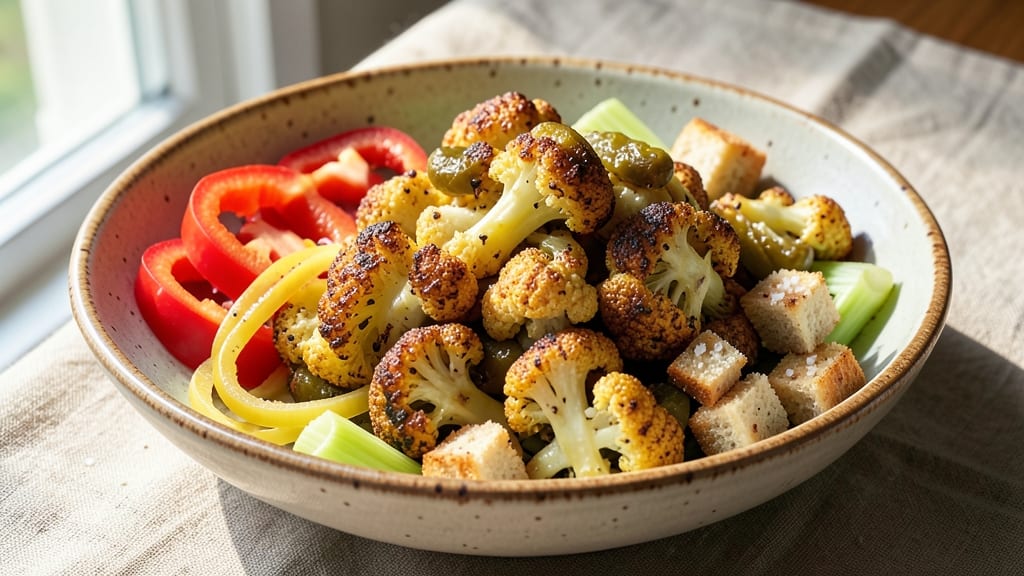
This low-carb bread and butter pickles recipe reinvents a classic with a crispy cauliflower twist that delivers all the tangy crunch without the carbs.
The secret lies in pickling both traditional vegetables and roasted cauliflower florets together, creating a perfect balance of sweet, tangy, and savory flavors that stay crisp even after refrigeration. I developed this version after realizing how much my family missed the texture of classic pickles while following low-carb diets.
The process begins with a precise pickling brine that preserves the crunch while infusing the vegetables with bright, zesty flavors. Cauliflower florets are roasted first to achieve that satisfying crispness before being combined with the pickling mixture, ensuring every bite has both texture and depth.
This method transforms a simple side dish into something that feels special—ideal for sandwiches, charcuterie boards, or as a standalone snack.
What makes this recipe work is the careful balance of vinegar, sugar substitute, and spices in the brine, which penetrates the vegetables evenly. The result is a batch of pickles that stays crisp for days, with the cauliflower adding a satisfying crunch that holds up perfectly.
Whether you're hosting a dinner party or just craving a tangy snack, this recipe delivers restaurant-quality results at home.
Best of all, this dish is completely vegetarian and aligns with low-carb lifestyles without sacrificing flavor. The cauliflower's natural sweetness complements the traditional pickle ingredients, creating a harmonious blend that even pickle skeptics will love. Let's get started on this crispy, crunchy masterpiece!
Ingredients for bread and butter pickles with cauliflower
Low-carb pickles meet crispy cauliflower florets in this tangy, crunchy reinvention of a classic.
| Ingredient | Amount | Notes |
|---|---|---|
| Fresh Cauliflower 🥬 | 1 head | Cut into 2-inch florets |
| White Vinegar 💧 | 2 cups | Distilled, 5% acidity |
| Granulated Erythritol 🍯 | ½ cup | Or monk fruit sweetener |
| Yellow Onion 🧅 | 1 whole | Thinly sliced, 1/4-inch |
| Celery Stalk 🥬 | 2 whole | Thinly sliced, 1/8-inch |
| Sweet Red Bell Pepper 🌶️ | 1 whole | Thinly sliced, seeded |
| Mustard Seeds 🌿 | 1 tsp | Whole, yellow preferred |
| Turmeric Powder 🌶️ | ½ tsp | For vibrant color |
| Ground Black Peppercorns 🌶️ | ½ tsp | Freshly ground preferred |
| Dill Weed 🌿 | 1 tbsp | Dried, or 1 tbsp fresh |
| Extra-Virgin Olive Oil 🫒 | 1 tbsp | For roasting cauliflower |
| Diamond Crystal Kosher Salt 🧂 | 1 ½ tsp | For pickling brine |
| Garlic Cloves 🧄 | 3 cloves | Minced for brine |
| Apple Cider Vinegar 🍎 | ½ cup | For depth of flavor |
| Fresh Dill Sprigs 🌿 | ¼ cup | For garnish, optional |
The cauliflower is the star here—choose a fresh head with tight florets for optimal texture. Roast at 425°F for 20 minutes until golden and crispy, tossing halfway. For the best flavor, Whole Foods or local farmers' markets carry the freshest cauliflower, but any grocery store variety works if it's firm and vibrant. The sweet red bell pepper adds natural sweetness without carbs, so look for plump, glossy peppers—they're sweeter than their shriveled counterparts. Thinly slice all vegetables consistently for even pickling.
No erythritol? Monk fruit sweetener or stevia blend works perfectly, but adjust to taste since brands vary in potency. Swap apple cider vinegar for white vinegar if unavailable, though it lacks subtle fruitiness. Fresh dill is ideal, but dried dill at one-third the amount delivers similar flavor. For extra tang, add 1/2 tsp of citric acid to the brine. The mustard seeds should be whole—ground mustard loses its texture and punch. If you're short on time, pre-cut cauliflower florets from the produce section save prep work without sacrificing quality.
Store in an airtight container in the refrigerator for up to 3 weeks, though the cauliflower stays crisp for 10-12 days. The flavors deepen over time, so make extra—these pickles keep beautifully for 6 months in the freezer if packed in a vacuum-sealed bag. For serving, portion into small jars for charcuterie boards or sandwiches. The cauliflower florets hold their crunch best when eaten within the first week, so prioritize those if you're hosting guests.
Why You'll Love This Recipe
- No-Cut Chaos Allowed: I swear by the "roughly chopped" method—celery and onion don’t need to be perfect. Toss in the cauliflower florets as-is, no peeling or fussing, and let the vinegar do the work. Honestly, my first batch had uneven pieces, but after 24 hours? No one noticed.
- Sweet-Tangy Magic: That erythritol-vinegar combo is chef’s kiss—crispy edges on the cauliflower, bright acidity cutting through the natural sweetness. The onion and celery mellow into this perfect, tangy-sweet backdrop. I’ll be real: I’ve eaten this straight from the jar like candy.
- Pickle Power Everywhere: These disappear from my fridge on sandwiches, in salads, or even as a snack with cheese. My kids sneak bites when they think I’m not looking—(yes, even on a Tuesday night). The best part? They keep for weeks, so I’m never scrambling for sides.
- Budget Hack That Works: Fresh cauliflower is my secret weapon—cheaper than store-bought pickles, and way more customizable. A single head stretches into three jars, and the vinegar/erythritol mix costs pennies. Between us, this is the only "fancy" pantry item I actually use up.
Step-by-step instructions for low-carb cauliflower pickles
A crisp-tender vegetable medley that mimics classic bread-and-butter pickles while keeping carbs in check.
Roast the Cauliflower Florets
Preheat your oven to 425°F. Arrange the 1 head fresh cauliflower, cut into 2-inch florets, on a rimmed baking sheet lined with parchment paper. Drizzle evenly with 1 tablespoon extra-virgin olive oil and toss gently to coat. Spread the florets in a single layer, ensuring they don't overlap—this promotes even browning.
Roast for 20-25 minutes, stirring halfway through, until the edges develop a deep golden brown and the florets feel tender when pierced with a fork. The cauliflower should retain slight crispness while becoming caramelized. Remove from the oven and set aside to cool slightly—this step builds the foundational texture that replaces traditional pickling crunch.
Prepare the Spiced Brine
In a medium saucepan, combine 2 cups white vinegar, 0.5 cup apple cider vinegar, 0.5 cup granulated erythritol, and 1.5 teaspoons diamond crystal kosher salt. Bring to a gentle simmer over medium heat, stirring until the sweetener and salt fully dissolve. This creates a balanced brine that won't crystallize during storage.
Reduce heat to low and add the 1 whole yellow onion (thinly sliced), 2 whole celery stalks (thinly sliced), 1 whole sweet red bell pepper (thinly sliced and seeded), 3 cloves garlic (minced), 1 teaspoon mustard seeds, 0.5 teaspoon turmeric powder, 0.5 teaspoon ground black peppercorns, and 1 tablespoon dill weed. Simmer for 10 minutes, allowing the aromatics to infuse the liquid. The mixture should smell vibrant and slightly spicy—this ensures maximum flavor transfer to the cauliflower.
Combine and Pack the Pickles
Transfer the roasted cauliflower florets to a large heatproof bowl. Pour the warm spiced brine over them, ensuring every floret is fully submerged. Stir gently to distribute the flavors evenly. Let the mixture cool to room temperature—this prevents the cauliflower from absorbing too much liquid and becoming soggy.
Once cooled, transfer the cauliflower and brine to 4 clean, sterilized glass jars (or a single large airtight container). Press down gently to eliminate air pockets and ensure the cauliflower remains submerged. The liquid should cover the florets by at least 1 inch—this prevents mold growth during storage. Seal the jars tightly and refrigerate immediately.
Cure and Develop Flavor
Allow the pickles to cure in the refrigerator for at least 24 hours before consuming. This resting period lets the flavors meld and the cauliflower absorb the brine's tanginess. For best results, wait 48 hours—the longer they sit, the more pronounced the pickled flavor becomes, similar to traditional bread-and-butter pickles but with a low-carb twist.
Before serving, garnish each portion with 0.25 cup fresh dill sprigs for a pop of color and fresh herbaceousness. The cauliflower should be crisp-tender with a bright yellow-orange hue from the turmeric, and the brine should have a balanced sweet-tangy profile. These pickles pair perfectly with charcuterie boards, sandwiches, or as a crunchy low-carb snack on their own.
Pro Tips For Making Bread And Butter Pickles With Cauliflower
- Blanch Cauliflower First: DESCRIPTION:
- Use Thin Onion Slices: DESCRIPTION:
- Don’t Rush the Vinegar: DESCRIPTION:
- Pack Celery Tightly: DESCRIPTION:
Storing and reheating this dish
Refrigerator Storage
Store your pickles in airtight glass jars or Bormioli Rocco canisters in the refrigerator for up to 3 weeks. The cauliflower florets maintain their crispness best during this time, though the traditional vegetables stay crunchy for the full duration.
I always use sterilized jars to prevent contamination and keep the flavors vibrant. The brine should always cover the cauliflower by at least 1 inch to preserve texture and prevent spoilage. 💡
Freezer Preservation
For longer storage, divide the pickles into freezer-safe silicone molds or vacuum-sealed bags (like FoodSaver). These pickles keep their quality for up to 6 months in the freezer, though the cauliflower may soften slightly after thawing.
To maintain texture, freeze the pickles submerged in their brine. When ready to use, thaw in the refrigerator overnight for best results. ❄️
Reheating Crispy Cauliflower
If the cauliflower loses some crispness after refrigeration, revive it by draining and patting dry with a paper towel. Toss the florets in 1 teaspoon olive oil and toast in a 400°F oven for 5-7 minutes until crisp again.
This works especially well for serving as a snack or garnish. The traditional pickled vegetables don’t need reheating—they’re best eaten straight from the fridge. 🔥
Reviving Soggy Texture
If your cauliflower becomes too soft, don’t toss it! Drain the pickles and spread them on a wire rack lined with parchment paper. Place under a fan or dehydrator set to 125°F for 1-2 hours to dry out excess moisture.
The result will be delightfully crisp again, perfect for topping burgers or salads. This trick works wonders for low-carb dishes where texture matters most. 💫
Portioning for Convenience
Divide the pickles into small mason jars or portion-sized containers for easy grab-and-go snacks. This is especially helpful if you’re meal prepping for the week. Store these mini portions in the fridge for up to 10 days—just grab and enjoy straight from the jar.
I love keeping a batch in my lunchbox for quick, tangy crunch between meals. 🥫
Garnish Before Serving
Before serving, always garnish with fresh dill sprigs or a sprinkle of turmeric powder to brighten the colors and flavors. The fresh dill adds a herbal note that complements the tangy brine, while the turmeric enhances the vibrant yellow-orange hue.
This simple step elevates the presentation and reminds everyone of the care you put into making these pickles. 🌿
Nutrition facts
Frequently asked questions
Why does this recipe use roasted cauliflower instead of raw?
Roasting the cauliflower creates that satisfying crispy texture that replaces traditional pickled vegetables while keeping it low-carb. Raw cauliflower would absorb too much brine and turn soggy. Roasting at 425°F for 20-25 minutes caramelizes the edges while keeping the centers tender-crisp—just like classic pickles but with a nutritious twist.
Can I make this recipe without vinegar?
Not recommended! Vinegar is essential for both the tangy flavor and proper pickling. However, if you're avoiding vinegar for health reasons, try lemon juice (though it won't preserve as long) or a fermented brine (like lacto-fermentation) for a probiotic-rich alternative. The recipe relies on vinegar to balance sweetness and preserve crunch for 3+ weeks.
How do I prevent the cauliflower from getting mushy?
Three key steps: Roast until golden (not soft), cool completely before adding brine, and store submerged in refrigerated jars. If it starts to soften, revive by draining and dehydrating at 125°F for 1-2 hours. Avoid overcrowding jars—leave 1 inch of headspace for liquid coverage.
What's the best way to use these pickles in meals?
Try them as a topping for burgers, sandwiches, or grilled chicken—they add tangy crunch without carbs. For a snack, serve with cheese cubes or nuts on a charcuterie board. The cauliflower holds up well in salads too, especially when paired with avocado or feta. Their sweet-tangy flavor works surprisingly well with spicy dishes like tacos or loaded baked potatoes.
Can I substitute other low-carb vegetables?
Yes! Swap cauliflower for radishes, jicama, or green beans—all hold texture well in brine. For extra crunch, add shredded cabbage or cucumber slices. Just ensure any additions are thinly sliced or small pieces so they pickle evenly. Avoid leafy greens (they wilt) or starchy veggies (like potatoes).