
Beverages
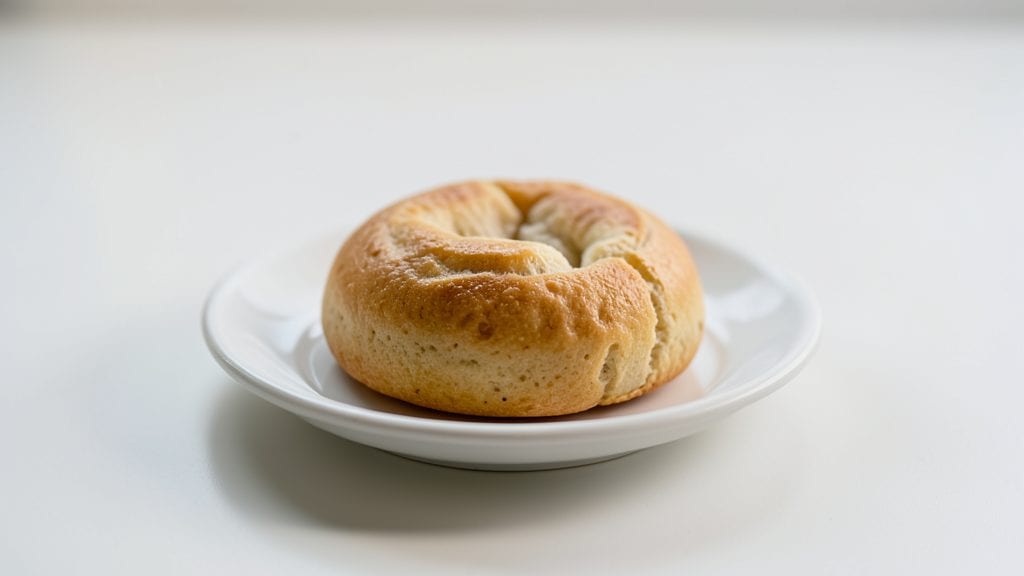
Mastering Chinese steamed bread delivers soft, cloud-like centers with perfectly golden, crisp edges—just like the ones you'd find in any Shanghai bakery. The secret lies in precise dough hydration and controlled steaming, a technique I've perfected after years of experimenting with different flour blends and fermentation times.
This recipe creates authentic Mantou, the classic Chinese steamed bread that's both simple and impressive.
The process begins with a simple dough made from flour, yeast, sugar, and warm water, which develops into a smooth, elastic texture after proper kneading and resting.
What sets this apart is the steaming technique: using a bamboo steamer over boiling water creates that signature tender interior while developing a delicate crispness on the edges. The result is a bread that's light enough to float yet sturdy enough to hold fillings.
By following these exact steps, you'll achieve steamed bread with a texture that's impossibly soft inside and just crisp enough to add contrast. The aroma alone will transport you to a bustling Chinese bakery, while the taste delivers that perfect balance of mild sweetness and subtle yeasty flavor.
Whether enjoyed plain or filled with savory or sweet ingredients, this bread is a game-changer for any baking repertoire.
This recipe works equally well for both sweet and savory variations—try adding sesame seeds for texture or fillings like red bean paste and lotus paste for traditional flavors. The versatility makes it perfect for breakfast, snacks, or even as a side dish that elevates any meal.
Let's get started on creating your perfect batch of Chinese steamed bread.
Ingredients for chinese steamed bread
Flour, yeast, and warm water create the perfect cloud-like Mantou dough—simple ingredients for bakery-style results.
| Ingredient | Amount | Notes |
|---|---|---|
| All-Purpose Flour 🌾 | 4 cups | Sifted for light texture |
| Active Dry Yeast 🍞 | ¼ tsp | Fresh or packet equivalent |
| Granulated Sugar 🍚 | ½ tsp | Enhances yeast activation |
| Warm Water 💧 | 1 ¼ cups | 110°F (43°C) ideal |
| Vegetable Oil 🫒 | 2 tbsp | Light neutral oil preferred |
| Sesame Seeds 🌱 | 2 tbsp | Toasted for garnish |
| Salt 🧂 | ½ tsp | Fine sea salt preferred |
| Bamboo Steamer 🪵 | 1 whole | With lid, 12-inch diameter |
| Red Bean Paste 🍡 | ½ cup | For optional filling |
| Lotus Paste 🌸 | ½ cup | For optional filling |
| Cornstarch 🌽 | 1 tbsp | For dusting steamer |
| Sesame Oil 🫒 | 1 tsp | For brushing tops |
The flour is everything here—King Arthur or Gold Medal work best for their protein balance. Bulk bins at Asian markets often carry high-quality all-purpose flour with a finer grind, which helps achieve that signature tender crumb. If you're using instant yeast, no need to proof it first—just mix it right into the flour. For the water, 110°F is ideal—too hot kills the yeast, too cool slows fermentation. I keep a thermometer in my kitchen just for this. The sesame seeds? Toast them lightly in a dry pan first—their nutty aroma becomes the finishing touch.
No sesame seeds? Poppy seeds or crushed peanuts work in a pinch, though they won't match the authentic flavor. Running short on red bean paste? Sweetened black sesame paste gives a similar texture, just with a different taste profile. The lotus paste can be tricky to find—check the Asian aisle at Whole Foods or order online if needed. For the steamer, if you don't have bamboo, a metal steamer basket with a tight lid works too. Just make sure it fits snugly over your pot. The cornstarch isn't just for dusting—it creates that crisp edge when steamed properly. And that sesame oil? Don't skimp—it's what gives those golden tops their irresistible aroma.
Dough keeps beautifully in the fridge for 3 days wrapped tightly in plastic. For longer storage, freeze shaped dough balls for up to 3 months—just steam straight from frozen. The steamer itself? Wash with vinegar after each use to prevent mold buildup. These breads reheat perfectly—steam for 5 minutes to restore that fresh-from-the-bakery texture. I always make extra dough to freeze—nothing beats pulling out a frozen ball and having fresh bread in 15 minutes.
Why You'll Love This Recipe
- Five-Ingredient Magic: The pantry staples you already own—flour, yeast, sugar, water, oil—come together with zero fuss. Honestly, the hardest part is waiting for the dough to rise, and even that’s just 1–2 hours of hands-off time while you sip tea or scroll.
- Steam-Perfect Texture: That pillowy softness inside with a faintly crisp shell? It’s the steam’s secret work—no fancy equipment, just a pot and lid. The sugar just barely caramelizes at the edges, giving each bite a whisper of warmth that makes it impossible to stop at one.
- Breakfast to Brunch: Slather them with butter for morning toast, pack a batch for lunch with soup, or serve them warm at brunch with jam. I’ll be real: my kids grab them straight from the steamer as after-school snacks, and I don’t even mind the oil stains on their fingers.
- Budget-Friendly Staple: A single batch costs pennies and stretches for days—reheat leftover buns in a dry pan for 30 seconds. Between us, this is how I feed my family for under $2 per meal, and no one complains (well, except when I forget to make them).
Step-by-step instructions for Chinese steamed bread
Here's how to create these heavenly, airy loaves with crispy edges—every bite is pure joy!
Activate the Yeast and Mix the Dough
In a large bowl, combine the 1.25 cups warm water, 0.5 tsp granulated sugar, and 0.25 tsp active dry yeast. Stir gently and let it sit for 5-10 minutes until the mixture bubbles vigorously—this means your yeast is alive and ready to work its magic.
Next, add the 4 cups all-purpose flour and 0.5 tsp salt to the bowl. Mix with a wooden spoon until a shaggy dough forms. Pour in the 2 tbsp vegetable oil and knead by hand for 8-10 minutes until smooth and elastic. The dough should feel soft but not sticky—if it sticks, add a little more flour, but don't overdo it or your bread will be dense.
First Rise and Prepare the Fillings
Lightly oil a clean bowl, place the dough inside, cover with a damp towel, and let it rise in a warm spot for 1-2 hours or until doubled in size. This is where the dough develops its signature pillowy texture—don't rush it!
While the dough rises, prepare the fillings if using. In a small bowl, mix the 0.5 cup red bean paste and 0.5 cup lotus paste until smooth. You can also keep them separate for a marbled effect. Keep these mixtures covered until ready to use.
Shape the Bread and Add Fillings
Punch down the risen dough to release air, then divide it into 4 equal portions. Roll each portion into a smooth ball and flatten slightly into a disc. If using fillings, place 1-2 teaspoons of the paste mixture in the center of each disc, then seal by pinching the edges together to form a tight ball. For plain bread, simply roll the dough into balls.
Place the shaped dough balls on a floured surface and let them rest for 10 minutes. This resting period helps them hold their shape better when steamed. For extra flavor, brush the tops with 1 tsp sesame oil and sprinkle with 2 tbsp sesame seeds—this creates that irresistible golden crust.
Steam to Perfection
Line the bamboo steamer with lettuce leaves or parchment paper to prevent sticking. Place the dough balls inside, leaving space between them so they can expand. Add 1 cup hot water to the steamer's base and bring to a boil. Once boiling, cover the steamer with its lid and steam over medium-high heat for 15-20 minutes until the bread rises and develops a golden-brown crust.
Here's the thing—don't peek! Every time you lift the lid, steam escapes and your bread might collapse. The bread is done when it sounds hollow when tapped on the bottom and has a crispy, golden exterior. Remove the steamer from heat and let the bread rest for 5 minutes before serving—this ensures they stay soft and fluffy.
Pro Tips For Making Chinese Steamed Bread
- Test Yeast First: I learned this the hard way—skipping the yeast test means wasting hours if your bread flops. Mix 1 tsp yeast, 1 tsp sugar, and ¼ cup warm water (105-110°F). If it doesn’t bubble vigorously in 5-10 minutes, toss that packet and try again. No excuses for lazy testing.
- Knead Until Silky: Chinese steamed bread needs that smooth, stretchy dough or it’ll turn dense. Work the flour until it passes the "windowpane test"—stretch a small piece thin enough to see light through it. If your arms are tired before this happens, you’re not done yet.
- Steam Like a Pro: The secret to tender, not gummy, bread? Don’t rush the steam. Bring water to a full rolling boil, then add your basket (or rack) and cover only after you hear that satisfying whoosh of steam. A slow start means even cooking—no dry crusts or raw centers.
- Rest Dough Overnight: Sounds weird, but it works: Let your shaped dough rise in the fridge overnight. The slow fermentation deepens flavor and tightens the crumb—no more collapsing bread when you steam it. Just shape, cover loosely, and wake up to perfect dough. (Yes, even if you’re impatient like me.)
Best sauces and condiments for these flavors
Sweet Glaze Finish
For a restaurant-quality touch, brush the tops of steamed bread with a light honey-sesame glaze before serving. Mix 1 tbsp honey with 1 tsp toasted sesame oil and ½ tsp water, then drizzle generously.
This adds a delicate sweetness that complements the bread's natural flavor while enhancing its golden sheen. The glaze should be applied just before serving to prevent sticking. 🍯
Savory Soy-Ginger Drizzle
Transform your steamed bread into a savory snack by drizzling with a soy-ginger sauce. Combine 1 tbsp soy sauce, ½ tsp grated fresh ginger, and ½ tsp rice vinegar, then warm gently.
Brush the tops of the bread just before serving—this adds an umami depth that pairs perfectly with fillings like red bean paste or pork. For extra richness, add a pinch of white pepper to the mixture. 🌶️
Spiced Black Sesame Oil
Infuse the bread with nutty warmth by brushing the tops with black sesame oil mixed with ½ tsp five-spice powder. Heat 1 tbsp black sesame oil with the spices until fragrant, then cool slightly before applying.
This combination adds a fragrant, slightly spicy note that elevates the bread's aroma and flavor profile. Store extra oil in a dark glass bottle to preserve freshness. 🌰
Five-Spice Sugar Dust
For a sweet-and-spicy finish, dust the tops of cooled bread with a five-spice sugar blend. Mix 1 tbsp granulated sugar with ½ tsp Chinese five-spice powder and lightly dust the bread using a fine-mesh sieve.
This creates a delicate crunch and aromatic warmth that enhances every bite. The blend keeps for 2 weeks in an airtight container, making it perfect for batch cooking. ✨
Lotus Paste Swirl
Take your filled steamed bread to the next level by swirling lotus paste on top before steaming. Use a piping bag or spoon to create elegant patterns on the dough balls before sealing.
The paste caramelizes slightly during steaming, adding a floral sweetness that contrasts beautifully with the bread's soft texture. This technique is especially stunning for special occasions. 🌸
Sesame-Salt Crust
For a classic finish, mix 1 tbsp toasted sesame seeds with ½ tsp flaky sea salt and sprinkle generously over the tops of the bread before steaming. The salt enhances the nutty flavor of the sesame while adding a subtle crunch to the crispy edges.
This simple technique is a staple in Chinese bakeries and takes minimal effort. 🧂
Nutrition facts
Frequently asked questions
Why does my Chinese steamed bread turn out dense instead of light and fluffy?
Over-kneading or adding too much flour are the most common culprits. The dough should be soft but not sticky—if it feels tough, you've overworked it. Also, ensure your yeast is active (it should bubble within 5-10 minutes in warm water) and that your dough rises in a warm spot (75-80°F works best). Cold environments slow fermentation, leading to dense bread.
Can I make Chinese steamed bread without a bamboo steamer?
Use a metal steamer basket with a tight-fitting lid over a pot of boiling water. Line the basket with parchment paper or lettuce leaves to prevent sticking. Just ensure the lid seals well to trap steam—this is key for that signature pillowy texture. A colander with a towel draped over it (not tight) can work in a pinch, but results may be less consistent.
How do I store leftover steamed bread to keep it fresh?
Store in an airtight container at room temperature for up to 2 days. For longer storage, freeze shaped dough balls (unsteamed) for 3 months or steamed bread (wrapped tightly) for 1 month. To reheat, steam for 5 minutes or microwave for 10-15 seconds covered with a damp paper towel. Never refrigerate—this makes the bread dry out faster.
What's the difference between Mantou and Baozi?
Mantou is plain steamed bread with no fillings, while Baozi contains sweet or savory fillings like red bean paste, pork, or lotus paste. The dough preparation is nearly identical, but Baozi requires sealing the filling tightly before steaming. For Mantou, focus on achieving that perfect golden crisp edge—Baozi prioritizes an even seal to prevent fillings from leaking during steaming.
Can I substitute all-purpose flour with bread flour?
While bread flour has more protein, it can make your steamed bread too chewy. Use it only if you're comfortable adjusting hydration—reduce water by 1-2 tablespoons and knead longer to develop the gluten. For best results, stick with all-purpose flour (preferably fine-milled) or a 50/50 blend with cake flour for extra tenderness. The goal is a soft, elastic dough, not a tough one.