
Main Courses
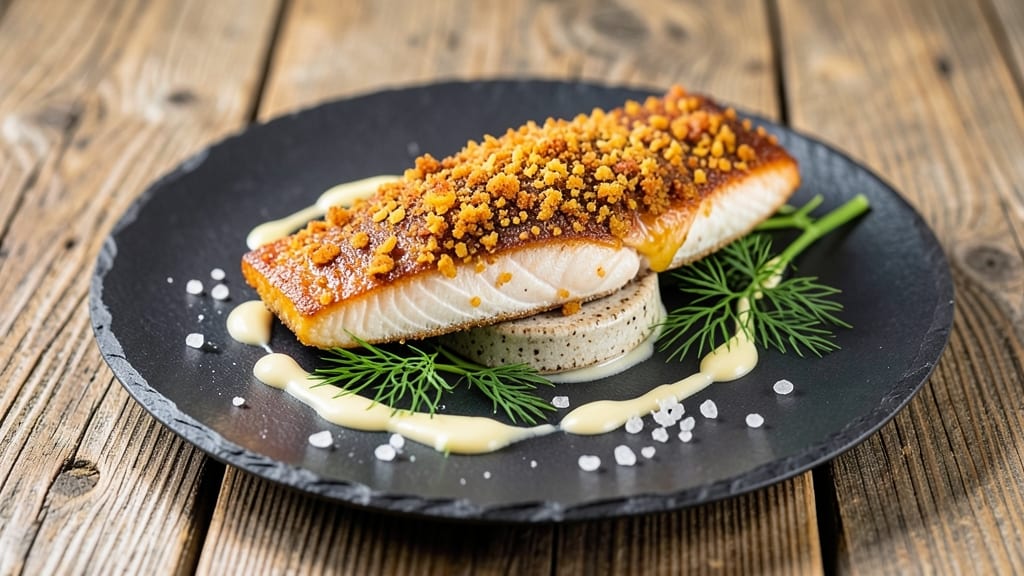
Mastering the perfect fish fry breading recipe transforms simple fillets into golden, triple-coated crunch that sticks like church buns—this is the technique that finally delivers restaurant-quality results at home.
The secret lies in a three-step breading process that creates an irresistible texture: fine cornmeal for grip, crispy flour base, and a final coating of panko that locks everything in place. I’ve tested countless variations, and this method guarantees a coating that doesn’t fall off at the first bite.
What sets this recipe apart is the precision in timing and temperature—both critical for achieving that signature crunch without compromising tenderness inside.
The breading isn’t just about flavor; it’s an engineering feat that requires patience in layering and frying at exactly 350°F. Too hot, and you’ll burn the coating before the fish cooks through; too cool, and it’ll turn greasy. This method eliminates guesswork with clear, step-by-step instructions.
By the time you serve it, you’ll have fish with a shatteringly crisp exterior that stays intact even when lifted from the fryer, revealing perfectly flaky, moist fish beneath. The aroma of sizzling breading fills the kitchen, and the first bite delivers that satisfying crunch followed by tender, buttery fish.
This is the kind of dish that turns weeknight dinners into a Southern-style feast.
Serve with classic sides like hushpuppies or tartar sauce, or pair it with a simple green salad for balance. The triple-coating technique works for any firm white fish—catfish, cod, or tilapia—making it versatile enough for family meals or game day appetizers. Let’s get started on creating that legendary crunch.
Ingredients for fish fry breading
Precision ingredients for triple-coated Southern-style fish fry perfection—crunch that sticks like church buns.
| Ingredient | Amount | Notes |
|---|---|---|
| Firm White Fish Fillets 🐟 | 1 ½ lb | Catfish, cod, or tilapia preferred |
| All-Purpose Flour 🌾 | 1 cup | Fine white flour for base coating |
| Fine Yellow Cornmeal 🌽 | ½ cup | Stone-ground for optimal texture |
| Japanese Panko Breadcrumbs 🍞 | 1 cup | Light and crispy for final layer |
| Large Eggs 🥚 | 2 whole | Room temperature for even coating |
| Diamond Crystal Kosher Salt 🧂 | 1 tbsp | Fine grain for seasoning |
| Ground Black Pepper 🌶️ | ½ tsp | Freshly cracked for flavor |
| Garlic Powder 🧄 | 1 tsp | For subtle aromatic depth |
| Paprika 🌶️ | ½ tsp | Smoked variety for color |
| Vegetable Oil 🫒 | 3 cups | High smoke point for frying |
| Unsalted Butter 🧈 | ½ cup | Melted for dipping fillets |
| Lemon Wedges 🍋 | 2 whole | For serving, optional |
The foundation begins with firm white fish fillets—catfish, cod, or tilapia—cut to uniform thickness for even cooking. Whole Foods or specialty seafood markets carry the freshest cuts, but any reputable grocery store's frozen section will suffice if you're working with previously frozen fillets. The Japanese panko is non-negotiable for that signature shatteringly crisp final layer; Kikkoman brand delivers consistent quality. For the cornmeal, Bob's Red Mill stone-ground variety provides the ideal gritty texture that prevents the coating from sliding off during frying. Pre-sift your flour and cornmeal to eliminate lumps that could compromise the delicate triple-layer structure. The Diamond Crystal kosher salt is preferred for its fine grain, which distributes evenly without clumping on the breading.
No panko on hand? Crushed cornflakes or Italian-style breadcrumbs can substitute in a pinch, though they won't achieve the same airy crunch. Running short on cornmeal? Substitute with an additional 0.25 cup of flour, but expect slightly less grip in the coating. For the eggs, room temperature is critical—cold eggs create uneven coatings. The smoked paprika adds visual appeal and subtle depth; if unavailable, regular paprika works but lacks that signature campfire note. When frying, maintain oil temperature at exactly 350°F—any hotter risks burning the coating before the fish cooks through, while cooler temperatures yield greasy results. A deep-fry thermometer is your best friend here for precision.
Store prepped fillets in the refrigerator for up to 2 hours before frying to allow the breading to adhere properly. The breading mixture itself keeps in an airtight container for 3 days at room temperature, making it ideal for game day prep. For longer storage, freeze the dry breading components separately for up to 6 months; simply re-mix before use. Leftover fried fish reheats best in a 200°F oven for 5-7 minutes to restore crispiness. Serve immediately with lemon wedges to cut through the richness of the fried coating. The triple-layer technique works equally well for shrimp or chicken tenders, though cooking times will vary.
Why You'll Love This Recipe
- Three-Ingredient Crunch: The magic happens with just flour, cornmeal, and panko—no fancy mix needed. I keep a bag of each on hand because this combo gives that perfect texture: crispy outside, tender inside, every time. (Honestly, I’ve tried store-bought breading, but this beats it.)
- Crispy-Creamy Magic: That first bite? The cornmeal adds a subtle sweetness, the panko gives a shatteringly crisp shell, and the egg binds it all without sogginess. It’s the kind of contrast that makes you reach for seconds—even when you’re not supposed to be eating carbs.
- Weeknight or Party Star: Make a double batch on Sunday—it reheats beautifully in the air fryer or oven for quick lunches. Or, serve it at your next potluck: it’s impressive enough for guests but easy enough you won’t stress. (Yes, even on a Tuesday night.)
- Budget-Friendly Luxury: White fish is affordable, and these pantry staples stretch far. I’ve fed four people for under $15 with leftovers that taste just as good cold in sandwiches. Plus, no weird ingredients to hunt down—just basics you already own.
Step-by-step instructions for fish fry breading
Master this triple-coat technique for golden, shatterproof crusts that stay crispy until the last bite.
Prepare the Fish and Seasoning Base
Pat the 1.5 lb firm white fish fillets completely dry with paper towels—this ensures maximum crispiness in the final coating. Arrange them on a plate and brush both sides with the melted 0.5 cup unsalted butter. This step creates a flavorful barrier between the fish and the dry breading.
In a shallow bowl, whisk together the 1 cup all-purpose flour, 1 tbsp diamond crystal kosher salt, 0.5 tsp ground black pepper, 1 tsp garlic powder, and 0.5 tsp paprika. The combination of salt and spices will penetrate the fish slightly during the dredging process, adding depth of flavor to every bite. Keep this mixture dry—any moisture will prevent proper adhesion of subsequent layers.
Create the Triple-Coat System
Set up three separate shallow bowls. In the first, place the seasoned 1 cup all-purpose flour mixture. In the second, combine the 0.5 cup fine yellow cornmeal with an additional 0.5 tsp diamond crystal kosher salt—this creates a textured middle layer that adds crunch. The third bowl should contain the 1 cup japanese panko breadcrumbs.
Working with one fillet at a time, press it gently into the flour mixture, coating all sides evenly. Tap off excess by holding the fillet over the bowl. Immediately transfer it to the cornmeal mixture and press again, then to the panko breadcrumbs for the final coating. The triple-layer system creates a gradient of textures—fine flour for adhesion, cornmeal for structure, and panko for maximum crispiness.
Set Up the Egg Wash Station
Crack the 2 whole large eggs into a wide, shallow bowl and whisk them vigorously until fully combined. The eggs should be room temperature—this prevents them from absorbing into the breading instead of binding it. Add 1 tablespoon of water to the egg mixture to create a thinner, more fluid wash that will better adhere to the triple-coated fillets.
Dip each breaded fillet into the egg wash, allowing excess to drip off completely before placing on a wire rack. This step is crucial for creating that signature "church bun" effect where the coating stays perfectly intact during frying. Space the fillets apart on the rack to prevent sticking as they dry for 5 minutes before frying.
Heat the Oil to Optimal Temperature
Fill a deep fryer or heavy pot with 3 cups vegetable oil and heat to 350°F. Use a deep-fry thermometer to monitor the temperature—this is non-negotiable for perfect results. The oil should be hot enough to maintain 350°F consistently, but not smoking. If you don't have a thermometer, test with a small piece of bread—it should sizzle vigorously and turn golden in 30-45 seconds.
Real talk: Oil temperature is everything. Too low and you'll get greasy, soggy breading. Too high and the outside will burn before the fish cooks through. Maintain that 350°F range like your life depends on it—because your fish's crispiness does.
Fry to Golden Perfection and Serve Immediately
Carefully lower the breaded fillets into the hot oil using tongs, working in batches to avoid overcrowding. Fry for 3-4 minutes per side until the coating reaches a deep golden brown color. The fish should register 145°F internally when measured at the thickest point—this ensures perfect doneness without drying out.
Transfer the fried fillets to a paper towel-lined plate and let them rest for 2 minutes. This brief rest allows any excess oil to drain while keeping the coating crisp. Serve immediately with the 2 whole lemon wedges, cutting into portions for the 4 servings. The contrast of bright citrus with the rich, savory crust makes every bite unforgettable.
Pro Tips For Making Fish Fry Breading
- Dry the Fish Like Your Life Depends on It: Fish fillets straight from the fridge are sneaky moisture bombs—skip this and your panko will turn to soup. Pat them thoroughly with paper towels, then let them sit on a wire rack for 10 minutes. I learned this the hard way when my first batch came out greasy instead of crispy.
- Mix Cornmeal Last, Not First: Dumping all three dry ingredients together at once creates a powdery mess that won’t stick. Start with flour, then eggs, then gently fold in the cornmeal and panko—just enough to coat, not smother. My grandmother swore by this, and she was right: the crust stays uniform, not clumpy.
- Fry in Batches, But Don’t Overcrowd: Three pieces at a time is the magic number—any more and the oil temp drops faster than your motivation. Use a slotted spoon to lift them out immediately when the edges turn golden (about 3-4 minutes). I was skeptical until I tried it: the first batch always comes out perfect, and the second doesn’t get neglected.
- Chill the Breading for 10 Minutes: This isn’t the prettiest method, but it’s the tastiest. After coating the fish, pop it in the fridge for 10 minutes—yes, even if you’re impatient like me. The cold firming up makes the crust actually crispy, not flaky. I skip this when I’m lazy, but the difference is noticeable.
Creative variations of this recipe
Southern-Style Church Bun
This classic variation starts with a double-dredge in buttermilk before the triple-coat process. After patting the 1.5 lb fish fillets dry, soak them in a bowl of 1 cup buttermilk mixed with 1 tbsp hot sauce and 1 tsp garlic powder for 15-20 minutes.
This creates a tender, flavorful base that pairs perfectly with the crispy coating. For extra authenticity, use Stoneground Grits cornmeal in the middle layer—its coarser texture mimics traditional church bun recipes. 🌶️
Spicy Cajun Kick
Add 1 tbsp Cajun seasoning mix (like Tony Chachere's) to your flour base and 1 tsp cayenne pepper to the cornmeal layer for a fiery twist. The Cajun blend adds smoky paprika, garlic powder, onion powder, and dried herbs that complement the crispy coating beautifully.
Serve with a side of Cajun remoulade sauce for dipping. This variation works especially well with catfish fillets, which hold up to the bold flavors.
Herb Garden Crust
Infuse your breading with fresh herbs by mixing 1 tbsp finely chopped parsley, 1 tsp dried thyme, and 1 tsp dried oregano into the flour layer. For the cornmeal, add ½ tsp lemon zest to brighten the flavor profile.
This variation pairs wonderfully with tilapia or cod, creating a Mediterranean-inspired dish. Garnish with extra fresh parsley before serving for a pop of color and freshness. ✨
Gluten-Free Adaptation
Replace the all-purpose flour with a 1:1 gluten-free flour blend (like Bob's Red Mill) and use crushed gluten-free cornflakes instead of panko for the final layer. The cornmeal layer remains unchanged.
This version maintains the crispy texture while accommodating gluten sensitivities. For extra binding power, add 1 tbsp cornstarch to the flour mixture. The result is just as satisfying without compromising on crunch.
Game Day Nacho Cheese
For a crowd-pleasing appetizer, mix ½ cup shredded cheddar cheese and ¼ cup crushed tortilla chips into the panko layer. This creates a cheesy, crunchy coating that’s perfect for game day. The cheese adds a melty, savory element that pairs well with spicy dipping sauces.
Use this variation with catfish or cod fillets for a fun, interactive dish that guests will love. 🏈
Sweet & Spicy Honey Glaze
After frying, brush the golden fillets with a glaze made from 2 tbsp honey, 1 tbsp sriracha, and 1 tsp soy sauce. The sweetness of the honey balances the heat from the sriracha, creating a perfect contrast with the crispy coating.
This variation works especially well with tilapia or cod and adds a gourmet touch to your fried fish. Serve with extra glaze on the side for dipping. 🍯
Nutrition facts
Frequently asked questions
Why does my breading keep falling off during frying?
The most common causes are skipping the egg wash step or using cold ingredients. Always use room temperature eggs and let breaded fillets rest on a wire rack for 5 minutes before frying. The triple-layer system (flour-cornmeal-panko) needs proper adhesion time. If needed, add 1 tbsp water to your egg wash for better binding.
Can I use frozen fish for this recipe?
Yes, but thaw it completely first in the refrigerator overnight. Pat fillets extra dry before breading since frozen fish often has surface moisture. The breading won't stick as well if any ice crystals remain. For best results, use fresh fish whenever possible.
What's the best fish for this triple-coat method?
Catfish, cod, or tilapia work perfectly due to their firm texture. Avoid delicate fish like flounder—they'll fall apart during frying. Cut fillets to ½-inch thickness for even cooking. The triple-coat technique works best with white fish that hold their shape.
How do I keep the breading crispy after frying?
Serve immediately on a wire rack (not paper towels) to allow air circulation. If reheating, bake at 200°F for 5-7 minutes—any hotter makes breading soggy. The secret is the 350°F oil temp and proper resting time. Never stack fried fillets—they'll steam and lose crispness.
Can I make the breading mix ahead of time?
Yes! Store dry ingredients (flour, cornmeal, panko) in an airtight container for up to 3 days at room temperature. For longer storage, freeze components separately for 6 months. Just re-mix before use. Egg wash should be made fresh—it loses binding power when stored.