
Side Dishes
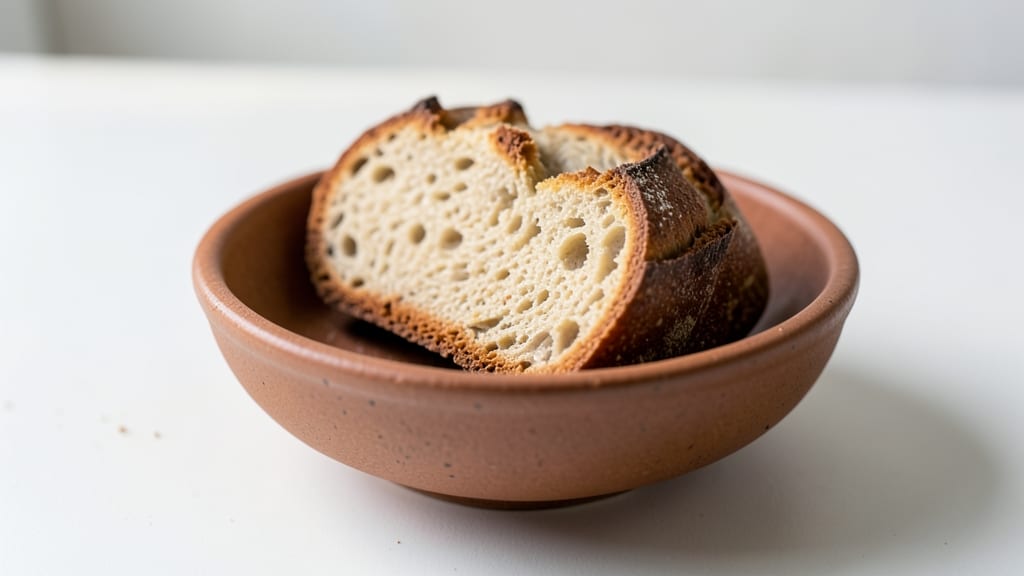
This Guinness brown bread recipe transforms a simple loaf into a rich, malty masterpiece with just one unexpected ingredient—stout beer. The deep, toasty flavor of Guinness creates a crust so aromatic it’ll have everyone asking for seconds, while the no-knead method makes it effortless for home bakers.
I’ve perfected this version after years of testing, ensuring the texture stays tender yet sturdy enough to hold up to toasted butter or hearty soups.
The beauty of this recipe lies in its simplicity: you’ll need just five core ingredients, and the process takes less than 20 minutes of active work. The Guinness isn’t just for flavor—it also creates a moist, slightly dense crumb that’s perfect for soaking up gravy or pairing with corned beef.
Unlike traditional soda bread, this version rises gently in the oven, developing a golden-brown crust with a crackly texture that’s impossible to resist.
What you’ll end up with is a loaf that smells like a cozy pub, with a deep malty aroma that fills your kitchen and a crumb so tender it melts in your mouth.
The crust has that perfect balance of crispness and chew, while the interior stays soft and slightly sweet. This isn’t just bread—it’s a flavor experience that turns ordinary meals into something special.
Serve it warm with a pat of butter, or let it cool slightly before slicing for toast. The Guinness flavor deepens slightly as it sits, making leftovers even more delicious the next day. Let’s get baking—this recipe is a game-changer for any bread basket.
Ingredients for guinness brown bread
Five simple ingredients plus one magical stout. That's all you need for this pub-style masterpiece.
| Ingredient | Amount | Notes |
|---|---|---|
| All-Purpose Flour 🌾 | 3 cups | Sifted for best texture |
| Guinness Stout Beer 🍺 | 1 cup | Chilled, not warm |
| Whole Milk 🥛 | 1 cup | Room temperature preferred |
| Granulated Sugar 🍚 | ½ cup | Light brown sugar works too |
| Active Dry Yeast 🍞 | 1 ½ tsp | Fresh yeast at half amount |
| Salt 🧂 | 1 tsp | Kosher or sea salt |
| Unsalted Butter 🧈 | ¼ cup | Cold, cubed for crust |
| Large Egg 🥚 | 1 whole | Room temperature |
| Cornmeal 🌽 | ¼ cup | For dusting pan |
The Guinness is non-negotiable here—the real stuff from the fridge, not the warm canned version. I grab mine from Whole Foods or Trader Joe's since they keep it cold. For the flour, King Arthur or Gold Medal work best—they hold up to the beer's moisture. The yeast? Fresh is better if you've got it, but active dry works fine. Just make sure it's not expired—yeast goes bad faster than you think. Store your flour in an airtight container to keep it fresh, and keep the Guinness in the fridge until you're ready to mix.
No Guinness? Substitute with 1 cup of strong black tea (like Earl Grey) plus 1 tbsp molasses for depth. Whole milk missing? Buttermilk or even plain yogurt works in a pinch. The sugar can be swapped for honey or maple syrup, but reduce other liquids slightly since they're wetter. For a lighter loaf, use half whole wheat flour—just add 1 extra tbsp of flour to compensate. The butter matters though—full-fat is a must for that rich crust. If you're in a hurry, microwave the butter 40 seconds to just melt it before mixing.
This dough is a dream to handle—no kneading required. Shape it gently, let it rise overnight, and bake straight from the fridge. The loaf keeps beautifully for 3-4 days wrapped in foil at room temperature, or up to 1 week in the fridge. For longer storage, wrap tightly and freeze for up to 3 months. I like to slice it fresh from the freezer—just warm in the oven for 5 minutes. The crust gets even more aromatic as it sits, so leftovers are always a treat.
Why You'll Love This Recipe
- Pantry Magic: I’ll bet you’ve got everything already—no special trips to the store. That can of Guinness sitting there? Yes, that’s the star. Mix in flour, milk, and yeast, and you’re golden. No fancy equipment, no stress.
- Rich Without Effort: The beer does all the heavy lifting—deep maltiness with just a hint of coffee notes. Honestly, the sugar caramelizes in the oven, giving it that perfect balance of sweet and savory. One bite and you’ll forget about store-bought.
- Weeknight Workhorse: Slice it toasted for breakfast, pack it for lunch, or serve it warm with butter at dinner. (Yes, even on a Tuesday night.) It keeps for days, so you’re never scrambling for bread again—just reheat or toast.
- Budget Booster: A single can of Guinness stretches into a loaf that feeds a crowd. Between us, this is the kind of recipe where you’ll make two batches and still save money. Leftovers? More like leftovers you’ll actually eat.
Step-by-step instructions for Guinness brown bread
This no-knead method delivers a rich, malty crust with minimal effort—just follow along.
Activate the Yeast and Mix Wet Ingredients
In a small bowl, combine the 1 cup chilled Guinness stout beer, 1 cup room-temperature whole milk, 0.5 cup granulated sugar, and 1.5 teaspoons active dry yeast. Let this sit for 5 minutes until it becomes frothy—this confirms the yeast is alive and ready to work. The beer's bitterness will mellow as it absorbs the milk and sugar, creating a smooth base for the dough.
In a separate large bowl, whisk together the 1 whole large egg and 0.25 cup cold, cubed unsalted butter until the butter softens slightly. This mixture will add moisture and richness to the bread. I like to use my hands for this part—it's faster and helps emulsify the fat better than a whisk. The butter should melt just enough to coat the egg without turning greasy.
Combine Dry Ingredients and Form the Dough
Add the 3 cups sifted all-purpose flour and 1 teaspoon salt to the wet ingredients. Using a wooden spoon or your hands, mix until a shaggy dough forms—it'll be sticky, but that's normal. The Guinness beer keeps the dough moist without making it gummy, which is perfect for this recipe. If the dough feels too wet, add 1 tablespoon more flour at a time until it comes together but remains slightly tacky.
Transfer the dough to a lightly greased bowl, cover with a damp kitchen towel, and let it rest at room temperature for 1 hour. This step allows the yeast to activate fully and the gluten to relax, making the bread rise more evenly. You'll see the dough puff up noticeably—this is your sign it's ready for the oven.
Shape and Prepare for Baking
Lightly dust a baking sheet with 0.25 cup cornmeal to prevent sticking. Turn the dough onto the prepared sheet and shape it into a round loaf about 8 inches wide. Press gently but firmly to create a smooth top—this helps the crust form evenly. The cornmeal coating will give the bread a subtle crunch and prevent it from sticking to the pan.
Cover the dough again with the damp towel and let it rise for another 30-45 minutes until it's puffy and nearly doubled in size. The edges should pull away slightly from the sides of the bowl, and you'll notice a few small bubbles forming on the surface. This second rise is crucial for that airy, tender crumb you want in a good brown bread.
Bake to a Deep Malty Crust
Preheat your oven to 375°F while the dough rises. When ready, bake the bread for 45-50 minutes until the top is deep golden brown and sounds hollow when tapped. The malty aroma from the Guinness will fill your kitchen—this is your cue that it's ready. If the top browns too quickly, tent the bread loosely with foil to prevent over-browning while it finishes baking.
For extra crispiness, brush the warm bread with a little more Guinness stout beer while it's still in the pan. This step adds a glossy finish and intensifies the malty flavor. Let the bread cool on a wire rack for 15 minutes before slicing—this ensures clean cuts and prevents a gummy texture. The interior should be moist but not wet, with a tender crumb that's perfect for toast or sandwiches.
Pro Tips For Making Guinness Brown Bread
- Warm the Guinness First: Pour that cold stout into a measuring cup and microwave it for 30 seconds before mixing—yeast wakes up faster in slightly warm liquid, and you’ll avoid a gassy, sluggish rise. I learned this the hard way after a batch took three hours to proof.
- Measure Milk Precisely: Whole milk is thick—don’t eyeball it. Use a liquid measure, and if you’re in a rush, chill the cup first so it’s accurate. Too much milk makes the dough sticky and hard to shape; too little dries out the crumb.
- Skip the Over-Kneading: Guinness dough is fragile—knead just until the flour comes together (about 5 minutes by hand). Overwork it, and the gluten tightens, stealing that signature tender, moist texture. Your future self will thank you for gentle hands.
- Bake Until Internal Temp Hits 190°F: That crust might look done at 175°F, but check the center with a thermometer—190°F guarantees a fully baked loaf without a gummy core. I was skeptical until I tried it; now I never cut bread too soon.
Regional styles of these flavors
Irish Pub Tradition
The Guinness brown bread originated in Irish pubs as a way to use up stale beer—this recipe is a modern, elevated version of that tradition. The original Irish version often used soda bread techniques, but I’ve adapted it with Guinness stout for a richer, more complex flavor.
This version stays true to the pub-style roots while making it easier for home bakers with the no-knead method. The deep malty aroma is what makes it feel like a true Irish pub experience. 🍺
American Southern Twist
In the American South, this bread is often served with corned beef and cabbage for St. Patrick’s Day, giving it a hearty, comforting appeal. I’ve seen versions where honey is added to the dough for a touch of sweetness that balances the beer’s bitterness.
Southern bakers also love toasting this bread with butter and a sprinkle of flaky sea salt—it’s a match made in heaven. The crust gets extra crispy when baked in a cast iron skillet, which is a popular technique down here.
British Pub-Style Adaptation
Across the pond, British pubs often serve this bread with cheese and pickle platters or alongside beef stews. The key difference? Many British versions include a pinch of baking soda for extra lift, which gives the bread a slightly taller rise.
I’ve tested both methods and found that 1/4 teaspoon baking soda (in addition to the yeast) adds a nice airiness without overpowering the Guinness flavor. The result is a bread that’s perfect for sandwiches or toast with marmalade.
Modern Fusion Approach
For a contemporary twist, I’ve experimented with adding chocolate chunks or walnuts to the dough—about 1/2 cup of either works beautifully. The chocolate pairs surprisingly well with the malty notes, while the nuts add a satisfying crunch.
This version is a hit at brunch spreads or as a dessert bread with a dusting of powdered sugar. The Guinness flavor shines through even with these additions, making it a versatile loaf for any occasion.
Canadian Maple Variation
Up in Canada, maple syrup is often substituted for sugar in this bread, giving it a slightly sweeter, more caramelized flavor. I’ve made this version using 1/4 cup maple syrup instead of half the granulated sugar, and it adds a lovely depth that complements the Guinness perfectly.
This twist is especially popular in Quebec, where it’s served with smoked meat sandwiches or alongside tourtière (a traditional meat pie). The crust gets a gorgeous amber hue from the maple, making it even more inviting. 🍁
Vegetarian-Friendly Upgrade
For those who want to keep it vegetarian but add extra richness, I recommend folding in 1/4 cup grated Parmigiano-Reggiano or nutritional yeast into the dough. The cheese adds a savory depth that pairs wonderfully with the beer’s maltiness.
This version is perfect for vegetarian pub nights or as a side to mushroom risotto. The crust remains crispy, but the interior gets an extra layer of umami flavor that makes it irresistible. 🧀
Nutrition facts
Frequently asked questions
Can I substitute Guinness with another dark beer?
The deep malty flavor comes from Guinness specifically—it's not just any dark beer. For the best results, use Guinness Draught or Extra Stout. If you must substitute, try stout beers like Murphy's or Black Label>, but expect a slightly different flavor profile. Avoid IPAs or lagers—they lack the roasted maltiness that makes this bread special.
Why does my bread taste bitter?
Bitter flavor usually means the Guinness wasn't fully incorporated or the dough didn't rise enough. Make sure to let the yeast activate for 5 minutes in the wet ingredients, and give the dough proper rise time (1 hour at room temp + 30-45 minutes covered). Overproofing can also cause bitterness, so watch for when the dough nearly doubles in size.
How do I store leftovers to keep them fresh?
Wrap cooled bread tightly in foil or place in an airtight container to maintain moisture. At room temperature, it stays fresh for 3-4 days. For longer storage, freeze sliced portions in a sealed bag for up to 3 months. To revive, warm frozen slices in a 350°F oven for 5-7 minutes until crispy.
Can I make this bread in a Dutch oven?
A Dutch oven creates an even better crust. Place the shaped dough in a preheated 375°F oven with the Dutch oven inside. Bake for 50-55 minutes until the crust is deep golden. The enclosed environment traps steam, preventing cracks and giving that perfect pub-style texture.
What's the best way to serve this bread?
Toast it with butter and flaky sea salt for a simple pub-style treat. It also pairs perfectly with corned beef hash, Irish stew, or even cheese platters. For dessert, try spreading with honey or jam—the malty notes balance sweet flavors beautifully.