
Desserts
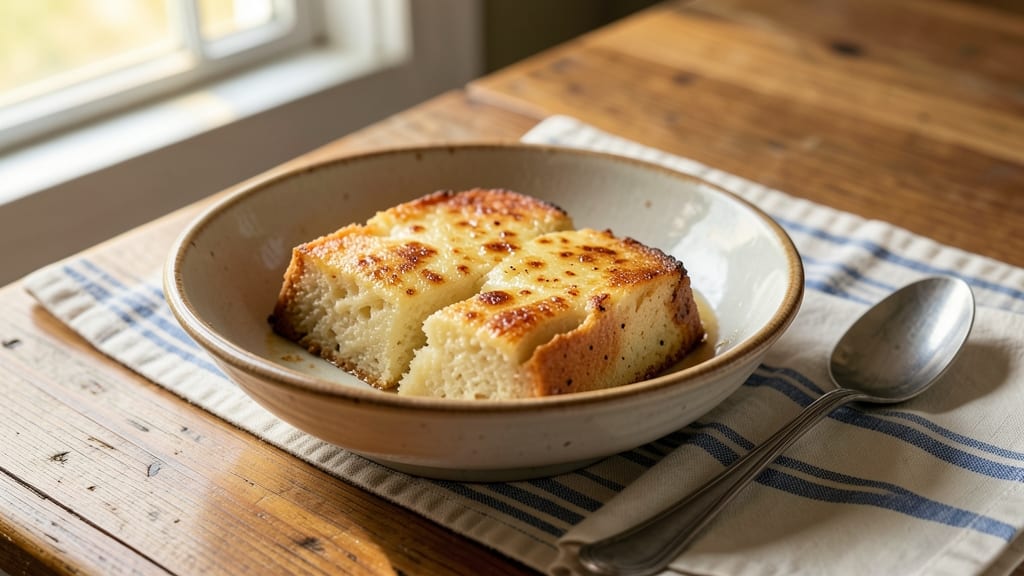
This steamed bread pudding recipe delivers that perfect balance of silky custard and toasted crust that makes every bite irresistible. The secret lies in steaming the pudding to create a delicate texture while achieving a golden, crispy exterior—something that transforms a simple dessert into a showstopper.
I've perfected this technique over years of baking, and it never fails to impress, whether served warm with ice cream or enjoyed at room temperature.
The magic begins with stale bread, which absorbs the custard beautifully while adding that signature toasted flavor. You'll need just 15 minutes of prep time before steaming, and the entire process takes about 1 hour—well worth the wait for a dessert that feels luxurious yet comes together effortlessly.
The combination of warm spices, vanilla, and a touch of citrus creates layers of flavor that keep everyone asking for seconds.
What you'll end up with is a golden-brown pudding with a custardy center that's creamy yet firm enough to slice neatly. The crust stays crisp at the edges while remaining tender inside, creating the perfect contrast with every bite.
This recipe is ideal for holiday gatherings, dinner parties, or even a cozy weekend treat—it's the kind of dessert that makes you feel like you've just stepped into a bakery.
Serve it warm with a scoop of vanilla ice cream, a drizzle of caramel sauce, or dusted with powdered sugar for an elegant finish. The versatility of this dish means it works equally well as a standalone dessert or paired with coffee for an after-dinner indulgence.
Let's get started on creating your own steamed bread pudding masterpiece.
Ingredients for steamed bread pudding
Stale bread, rich custard, and golden crust—this pudding transforms simple ingredients into dessert magic.
| Ingredient | Amount | Notes |
|---|---|---|
| Stale Bread Loaf 🍞 | 1 ½ lb | French bread or brioche preferred |
| Large Eggs 🥚 | 6 whole | Room temperature for best mixing |
| Whole Milk 🥛 | 2 cups | Full-fat for creaminess |
| Heavy Cream 🥛 | 1 cup | Full-fat for rich texture |
| Granulated Sugar 🍚 | 1 cup | White or light brown |
| Unsalted Butter 🧈 | ½ cup | Cold, cubed for topping |
| Pure Vanilla Extract 🌿 | 1 tbsp | High-quality preferred |
| Ground Cinnamon 🌶️ | 1 tsp | Freshly ground for warmth |
| Ground Nutmeg 🌶️ | ¼ tsp | Freshly grated preferred |
| Lemon Zest 🍋 | 1 tbsp | Freshly grated for brightness |
| Salt 🧂 | ½ tsp | Fine sea salt preferred |
| Powdered Sugar 🍚 | 2 tbsp | For dusting before serving |
The bread is everything. French bread or brioche gives that perfect toasted bite, but day-old sourdough works too—just tear it into big chunks. Look for stale but not moldy at the bakery section, or use leftover bread from the freezer. I usually buy a loaf on Sunday for Wednesday dessert. The eggs? Room temperature makes mixing easier—just take them out 30 minutes before baking. For the milk and cream, whole milk and heavy cream give that luscious texture, but if you're watching calories, 2% milk and light cream still work (though the crust won't be quite as golden).
No vanilla extract? Vanilla bean paste or even vanilla sugar will save you—just reduce the sugar slightly. The spices are where you can get creative: Cardamom or ginger add a twist, but stick with cinnamon and nutmeg for classic flavor. Lemon zest is non-negotiable—it cuts through the richness. If you don't have one, lemon juice plus extra sugar is a decent swap. The butter topping? Cold cubes melt beautifully during steaming, creating that crispy crust. Don't skip the powdered sugar—it's the perfect finishing touch for serving.
This pudding reheats beautifully—just pop it in the oven at 325°F for 15 minutes to warm through. Keeps 3 days in the fridge, but honestly, it's best the first day. For make-ahead magic, assemble it the night before and steam it in the morning. The crust stays crisp for about 2 hours after baking, so serve it while warm. Leftovers? Freeze for up to 3 months—thaw overnight in the fridge before reheating. Trust me, it's even better the second time around.
Why You'll Love This Recipe
- No-Waste Magic: Honestly, I keep a loaf of stale bread on purpose just for this. That crusty exterior? It soaks up the creamy milk-egg mix like a dream, turning what would’ve been toast crumbs into something rich and satisfying.
- Silky Creamy Core: The heavy cream and whole milk make this pudding dangerously tender—imagine a custardy center that practically melts in your mouth, all while the edges stay just firm enough to hold a spoon. (Yes, even on a Tuesday night.)
- Steam-Powered Perfection: No oven preheating, no risk of burning—just a pot of simmering water and a steamer basket. Twenty minutes later, you’ve got a dessert that feels fancy without the fuss. My lazy Sunday mornings have never been better.
- Budget-Friendly Luxury: Eggs, milk, and old bread? This is dessert for when you’re pinching pennies but still want to feel indulgent. Double the batch—it reheats beautifully, and the flavor only gets better the next day. (Between us, I’ve fed a crowd for under $10.)
Step-by-step instructions for silky steamed bread pudding
Transform your stale bread into a luscious, golden custard with this foolproof method.
Prepare the Bread Base
Cut the 1.5 lb stale bread loaf into 1-inch cubes—this size ensures even cooking without a gummy center. I like to use a serrated knife for clean cuts, but a bread knife works too. Arrange the cubes in a single layer on a baking sheet and toast them in a 350°F oven for 10-12 minutes until they're just beginning to crisp at the edges.
Here's the thing—don't over-toast them. You want them firm enough to hold their shape but still soft enough to soak up the custard. If they get too dry, the pudding will turn out crumbly instead of creamy. While still warm, transfer the toasted cubes to a 9-inch round baking dish or a similar heatproof container. This size works perfectly for steaming.
Whisk the Custard Mixture
In a large mixing bowl, combine the 6 whole large eggs, 2 cups whole milk, 1 cup heavy cream, 1 cup granulated sugar, 1 tbsp pure vanilla extract, 1 tsp ground cinnamon, 0.25 tsp ground nutmeg, 1 tbsp lemon zest, and 0.5 tsp salt. Whisk vigorously for 3-4 minutes until the mixture is smooth and slightly thickened—you'll notice it lightens in color and becomes noticeably more viscous.
This step is crucial for that signature silky texture. I like to use a hand mixer for this part because it incorporates air more efficiently than whisking by hand. The mixture should coat the back of a spoon but still flow freely. If it's too thick, add 1-2 tablespoons of milk to loosen it slightly. Pour the custard mixture evenly over the toasted bread cubes, pressing down gently to ensure every piece is saturated.
Chill and Prepare for Steaming
Cover the baking dish tightly with plastic wrap and refrigerate for at least 1 hour—this allows the bread to fully absorb the custard, preventing a watery pudding. I usually let it chill overnight if I have time; the longer it sits, the more flavorful the result. While it chills, prepare your steaming setup: fill a large pot with 1-2 inches of water and place a steamer basket or heatproof plate inside.
Real talk: Don't skip the chilling step. I've made this pudding without it, and the texture was disappointing—almost like a soggy cake. The chilling ensures the bread absorbs just the right amount of custard, creating that perfect balance between a firm crust and a creamy interior. When ready to steam, bring the water to a gentle simmer—you want it to steam, not boil vigorously.
Steam to Golden Perfection
Place the chilled baking dish on the steamer basket and cover it tightly with aluminum foil. This creates a sealed environment that traps steam and cooks the pudding evenly. Steam over medium-high heat for 45-50 minutes, until the top is golden brown and the center is just set—when you insert a knife near the center, it should come out clean but still slightly wobbly.
Don't lift the foil to check early; steam builds up inside, and peeking too soon can cause the pudding to collapse. If you're unsure, err on the side of undercooking slightly—the pudding will continue to set as it cools. Once done, remove the pudding from the steamer and let it rest for 10 minutes before serving. This resting period allows the custard to fully set and the flavors to meld.
Finish with Butter and Powdered Sugar
While the pudding rests, melt the 0.5 cup unsalted butter in a small saucepan over low heat until it's completely liquid but not browned. Pour this melted butter evenly over the top of the pudding, letting it soak in for 2-3 minutes. Then, dust generously with 2 tbsp powdered sugar for that classic finish.
Slice the pudding into wedges and serve warm. Each bite should deliver a perfect balance of a toasted crust, silky custard, and a hint of citrus brightness from the lemon zest. The melted butter adds a rich, velvety finish that ties everything together. If you're feeling fancy, serve with a dollop of whipped cream or a scoop of vanilla ice cream for extra indulgence.
Pro Tips For Making Steamed Bread Pudding
- Cube Bread Evenly: Use a serrated knife and cut the stale loaf into 1.5-inch cubes—any smaller, and they’ll turn mushy; any larger, and the center stays raw. I learned this the hard way after pulling apart a pudding that was still doughy inside.
- Whisk Eggs Cold: Whisk the eggs straight from the fridge with the sugar first—room temperature eggs make the custard grainy. Then slowly fold in the milk mixture to avoid scrambling. (Yes, even if you’re impatient like me.)
- Steam on Medium Heat: Don’t boil it—medium heat is the sweet spot for steady steam without simmering the pudding into a sad, watery mess. A gentle simmer means the top stays soft, not rubbery. Trust the process.
- Add Vanilla Extract: Skip the vanilla? You’re missing the thing that matters most. A teaspoon of pure extract cuts through the richness of the heavy cream and balances the sweetness. (I was skeptical until I tried it.)
Serving suggestions for steamed bread pudding
Warm Dessert Pairings
Serve your steamed bread pudding warm with a scoop of vanilla bean ice cream from Ben & Jerry's or Häagen-Dazs—the cold contrasts beautifully with the custard's warmth. For a lighter option, try coconut whipped cream or mascarpone with a drizzle of honey or maple syrup.
The combination of warm pudding and cool cream creates a luxurious texture experience. 🥄
Elegant Garnishes
Elevate your presentation with toasted almond slices or pecans scattered on top before serving. A sprinkle of cinnamon sticks or star anise adds visual appeal and enhances the spiced flavors.
For a citrusy touch, add thin lemon slices or a few drops of orange liqueur like Cointreau for a sophisticated finish.
Coffee & Tea Pairings
Pair your bread pudding with a dark roast coffee like Starbucks Pike Place or a chai latte to complement the warm spices. For tea lovers, Earl Grey or jasmine green tea balances the richness beautifully. The tannins in black tea also help cleanse the palate between bites. ☕
Seasonal Variations
In summer, serve with fresh berries like strawberries or raspberries for a bright contrast. For holiday gatherings, add candied pecans or a bourbon caramel sauce drizzle. In winter, a sprinkle of sea salt on top enhances the buttery, toasted flavors—perfect for cozy evenings. 🍯
Make-Ahead Serving
Assemble the pudding up to 24 hours ahead and steam it just before serving. Store leftovers in an airtight container in the fridge for up to 3 days. Reheat slices in the oven at 325°F for 10 minutes to restore that warm, golden crust.
The flavors actually deepen overnight, making it even more delicious the next day. ⏰
Presentation Tips
Use a ring mold to create perfectly shaped slices for elegant plating. Dust with powdered sugar in a fine sieve for a professional finish. Serve on a wooden board or ceramic platter to highlight the golden crust.
For a rustic touch, arrange slices on a cast-iron skillet and garnish with fresh herbs like mint or thyme. 🍽️
Nutrition facts
Frequently asked questions
Why does steaming create a better texture than baking?
Steaming creates a silky custard with a crispy crust because the gentle heat cooks the pudding evenly without drying it out. Unlike baking, which can make the edges tough, steaming traps moisture inside while allowing the butter to melt beautifully for that golden crust. The result is a tender interior with perfect toasted edges—ideal for warm desserts!
Can I use day-old bread instead of stale bread?
Day-old bread works perfectly—just tear it into chunks and let it sit at room temperature for 1-2 hours before using. The key is ensuring it's not too fresh, as fresh bread absorbs too much liquid and makes the pudding soggy. For extra flavor, lightly toast the cubes before adding the custard mixture.
How do I know when the pudding is fully steamed?
The pudding is done when the top is golden brown and a knife inserted near the center comes out clean but slightly wobbly. Avoid lifting the foil early—steam builds up inside, and peeking too soon can cause the pudding to collapse. If unsure, err on the side of undercooking slightly; it will continue to set as it cools.
Can I make this pudding without heavy cream?
Yes! Replace the 1 cup heavy cream with 1 cup whole milk or half-and-half for a lighter texture. While the crust won't be quite as golden, the custard will still be rich and creamy. For extra richness, add 1 tbsp melted butter to the custard mixture to compensate for the reduced fat.
Why did my pudding turn out gummy?
Gummy texture usually happens when the bread absorbs too much liquid or the pudding isn't cooked long enough. Ensure your bread is stale (not fresh) and chill the mixture for at least 1 hour before steaming. Also, steam for the full 45-50 minutes—undercooking is a common mistake! If it's still too soft, reheat it in the oven at 325°F for 10-15 minutes.