
Side Dishes
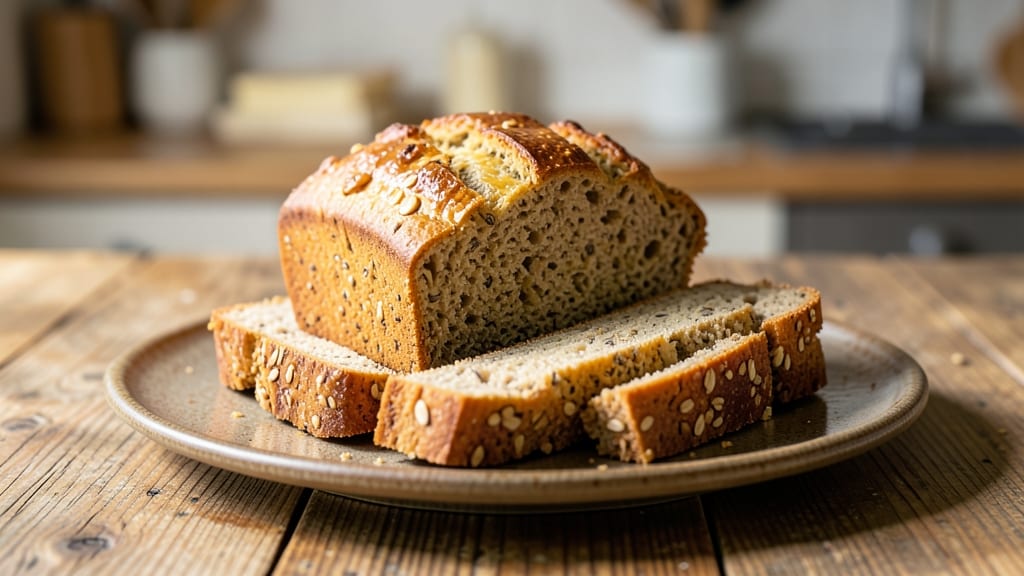
Adelle Davis' bread recipe delivers the kind of wholesome, nutrient-packed loaf that nourishes both body and soul—exactly as she intended. This isn’t just bread; it’s a vessel of whole grains, fiber, and natural sweetness that transforms ordinary meals into something truly nourishing. The secret lies in balancing hearty whole grains with just enough honey to create a golden crust while keeping the interior tender and lightly sweet.
What sets this recipe apart is its focus on nutrient density—no refined flours or artificial additives, just wholesome ingredients that work together to create a loaf with depth of flavor and texture.
The kneading process is straightforward (no stand mixer required), and the proofing time is forgiving, making it accessible even for those new to bread baking. The result? A crust that’s crisp and golden, with a crumb so tender it nearly melts in your mouth.
This bread is perfect for pairing with soups, using as a base for sandwiches, or simply enjoying warm with a spread of butter or honey. The aroma alone will fill your kitchen with warmth, and every slice delivers a satisfying combination of chewiness and softness.
Whether you're baking for a family or treating yourself, this loaf brings Adelle Davis’ wisdom to your table in the most delicious way possible.
The key to success lies in patient proofing and careful temperature control during baking—both of which ensure a loaf that rises beautifully and develops that signature golden crust. Let’s get started on creating a loaf that’s not just bread, but a celebration of wholesome nutrition.
Ingredients for adelle davis bread
Wholesome flours, golden honey, and patient proofing—this is Adelle Davis' bread at its finest.
| Ingredient | Amount | Notes |
|---|---|---|
| Whole Wheat Flour 🌾 | 3 cups | Unbleached, high-protein preferred |
| Whole Grain Spelt Flour 🌾 | 1 cup | Adds nutty depth and fiber |
| Rolled Oats 🥣 | ½ cup | Old-fashioned, not quick oats |
| Ground Flaxseed 🌿 | ¼ cup | For omega-3s and binding |
| Raw Honey 🍯 | ¼ cup | Local, unprocessed preferred |
| Active Dry Yeast 🍞 | 1 package | 2.25 tsp (1 packet) |
| Warm Water 💧 | 1 ½ cups | 110°F for optimal yeast activation |
| Unsalted Butter 🧈 | ½ cup | Cold, cubed for easier mixing |
| Sea Salt 🧂 | 1 ½ tsp | Diamond Crystal preferred |
| Apple Cider Vinegar 🍎 | 1 tbsp | Enhances flavor and rise |
| Ground Cinnamon 🌿 | ½ tsp | Warm, toasted for depth |
| Sesame Seeds 🌰 | 2 tbsp | For nutty crunch topping |
| Sesame Oil 🫒 | 1 tbsp | For brushing crust |
The flours are everything here. King Arthur whole wheat and Bob's Red Mill spelt flour give that signature Adelle Davis texture—chewy yet tender. Rolled oats add heartiness, while ground flaxseed boosts nutrition without compromising flavor. If you can't find spelt, whole rye flour works in a pinch, but the flavor will shift slightly. Honey matters too—local raw honey from a farmers market adds floral notes that jarred honey can't match. For yeast, Red Star Active Dry is my go-to, but check the expiration date. Fresh yeast is non-negotiable for a proper rise.
No honey? Maple syrup or agave works in a 1:1 swap, though the flavor will be less complex. Substituting butter for oil? Melted coconut oil keeps the bread moist, but it lacks the richness of butter. The vinegar might seem odd, but it's key—it tenderizes the gluten and gives that signature tang. For the cinnamon, Penzeys brand has the best quality, but any warm spice will do. Sesame seeds can be swapped for toasted pumpkin seeds if you're avoiding gluten, though the flavor will differ. And if you're feeling fancy, add a sprinkle of everything bagel seasoning to the crust for extra depth.
This dough is forgiving but not infinite—use it within 24 hours for best results. Store the dough in the fridge overnight for deeper flavor. For the final loaf, proof at room temperature until it nearly doubles, about 1-2 hours. The crust will keep for 3 days at room temperature wrapped in a cloth, but it's best enjoyed fresh. Slice and freeze portions for up to 3 months—just toast straight from frozen. And trust me, the aroma when it comes out of the oven? Worth every minute of waiting.
Why You'll Love This Recipe
- No-Fuss Mixing: I swear by this dough—just toss the whole wheat, spelt, and oats in a bowl, sprinkle flaxseed, and stir. The honey binds it all together so you don’t even need an egg. Five minutes of work, zero stress.
- Nutty-Sweet Crunch: That combo of rolled oats and raw honey? It’s like a warm, toasty hug in every bite. The spelt adds a subtle earthiness, but honestly, the flaxseed gives it that je ne sais quoi—chewy, nutty, and just sweet enough.
- Weeknight Hero: Slice it fresh for breakfast toast, pack it for lunch, or freeze half for when you’re too tired to bake. Between us, I’ve had it cold with peanut butter at 11 p.m. after a long day. It doesn’t judge.
- Budget-Winning Staple: Whole grains and honey stretch further than refined flour, and this loaf lasts me a week—no sad, dried-out ends. Plus, the flaxseed adds protein, so it’s basically free nutrition. Win-win.
Step-by-step instructions for Adelle Davis' nutrient-dense whole grain loaf
This bread delivers Adelle Davis' signature wholesome nutrition with a golden crust and tender crumb.
Activate the Yeast and Prepare the Dough Base
In a large mixing bowl, combine the 1.5 cups warm water (around 110°F) with the 1 package active dry yeast and 1 tablespoon apple cider vinegar. Let this mixture sit for 5-10 minutes until it becomes frothy—this confirms the yeast is alive and active. If it doesn't bubble, your yeast may be dead, and you'll need to start over.
Next, whisk in the 0.25 cup raw honey and 0.5 cup unsalted butter (cold and cubed) until the butter melts and the mixture becomes smooth. This sweetened base not only feeds the yeast but also adds moisture and richness to the final loaf. The honey also helps create a slightly sweeter, more complex flavor profile that balances the earthy whole grains.
Combine Dry Ingredients for Optimal Texture
In a separate bowl, sift together the 3 cups whole wheat flour, 1 cup whole grain spelt flour, 0.5 cup rolled oats, 0.25 cup ground flaxseed, 1.5 teaspoons sea salt, and 0.5 teaspoon ground cinnamon. The sifting ensures even distribution of ingredients and prevents dense pockets in the finished bread. Toast the cinnamon lightly in a dry skillet for 30 seconds before adding—this enhances its warm, aromatic qualities.
Gradually add the dry mixture to the wet ingredients while mixing with a wooden spoon or dough whisk. The goal is to create a shaggy, sticky dough that comes together when folded. Avoid overmixing at this stage—just combine until no dry spots remain. The flaxseed acts as a natural binder, while the oats add chewiness and fiber. The combination of whole wheat and spelt flours creates a lighter texture than 100% whole wheat bread.
Knead and Develop Gluten for Structure
Turn the dough onto a lightly floured surface and knead for 8-10 minutes by hand, or use a stand mixer with a dough hook on medium speed for 5-6 minutes. You're aiming for a smooth, elastic dough that springs back slightly when poked. The kneading develops gluten, which gives the bread its structure and chewiness. If the dough feels too sticky, add 1 tablespoon of flour at a time until it becomes manageable—but don't overdo it, or the bread will turn dense.
Shape the dough into a round ball, place it back in the bowl, and cover with a damp towel. Let it rise in a warm place for 1-1.5 hours, or until it has nearly doubled in size. You'll know it's ready when you poke it gently and the indentation remains. The apple cider vinegar in the initial mixture helps create a more open crumb and enhances the rise. If your kitchen isn't warm enough, place the bowl near a slightly warmed oven with the light on.
Shape and Proof for Final Rise
Punch down the risen dough to release air, then shape it into a 9x5-inch loaf pan by folding the edges toward the center. Brush the top generously with 1 tablespoon sesame oil, then sprinkle evenly with 2 tablespoons sesame seeds. The oil creates a golden crust, while the seeds add a delightful nutty crunch and visual appeal. Cover the pan loosely with plastic wrap and let the dough proof for another 30-45 minutes until it rises about 1 inch above the pan's rim.
Preheat your oven to 375°F during the final proofing. This ensures the oven is fully heated when you're ready to bake, which is crucial for achieving that signature golden crust. The sesame oil will caramelize beautifully, creating a shimmering finish. If you're concerned about the bread rising too much in the pan, you can place a baking sheet on the rack below to catch any potential overflow.
Bake to Golden Perfection
Bake the loaf for 35-40 minutes until the top is deep golden brown and the internal temperature reaches 190-200°F when measured with an instant-read thermometer. The bread should sound hollow when tapped on the bottom. If the top browns too quickly, tent it loosely with foil to prevent over-browning while ensuring the interior cooks through.
Remove the bread from the oven and let it cool in the pan for 10 minutes, then transfer it to a wire rack to cool completely. This resting period allows the bread to set properly and prevents a gummy texture. The crust should be crisp and fragrant, while the interior should be tender with a slightly open crumb. Slice while still warm for the best texture—each slice should reveal a beautiful mix of golden crust, nutty seeds, and a hearty whole grain interior.
Pro Tips For Making Adelle Davis Bread
- Grind Your Own Oats: I learned this the hard way—store-bought rolled oats lose their crunch when soaked. Pulse them in a food processor for 10-15 seconds until they’re coarsely ground but still have texture. This keeps the bread’s chewiness without turning it into mush.
- Soak the Flaxseed: Skip mixing ground flaxseed dry—it’ll clump like glue in the dough. Stir it into warm water (or plant milk) first, let it sit for 5 minutes until gel-like, then fold it into the wet ingredients. Your bread will hold together better and stay moist longer.
- Don’t Overmix the Dough: This isn’t cake batter—handle it like a rough hug. Once the wet ingredients are combined, mix just until the flours are barely incorporated. Overworking it turns the spelt flour gummy, and your loaf will end up dense. Stop when it’s shaggy, not smooth.
- Proof at Room Temp: Resist the urge to rush this—cold proofing (like in the fridge) works for some breads, but Adelle’s recipe relies on a warm, active rise. Let it sit in a slightly warm spot (like a turned-off oven with the light on) for 1-2 hours, until it’s puffed but not collapsed. Patience here = better crumb.
Storing and reheating your adelle davis bread
Room-Temp Storage
Wrap your freshly baked loaf in a clean kitchen towel or beeswax wrap to maintain moisture while allowing airflow. Place it on the counter at room temperature for up to 3 days—this is my preferred method for enjoying the bread at its peak freshness.
The towel prevents sogginess while keeping the crust delightfully crisp. For extra protection, store in a brown paper bag if your kitchen gets particularly humid. 🌾
Refrigerator Preservation
If you need to extend freshness beyond 3 days, slice the loaf and store individual portions in airtight containers or ziplock bags with the air squeezed out. The refrigerator will keep it fresh for 5-7 days, though the crust may lose some crispness.
To revive, warm slices in a toaster or oven at 300°F for 5 minutes—this restores the golden crunch. For whole loaves, wrap tightly in plastic wrap before placing in the fridge.
Freezer Storage Secrets
For long-term storage, freeze the bread in slices or as a whole loaf. Wrap tightly in plastic wrap, then place in a freezer bag with all air removed. Label with the date—it stays fresh for up to 3 months.
To reheat, toast frozen slices directly in the toaster (no thawing needed) or warm the whole loaf in a 350°F oven for 10-15 minutes until heated through. The texture remains tender, with only a slight loss of crust crispness. ✨
Thawing Strategies
Never thaw bread at room temperature—this creates condensation that makes it gummy. Instead, place frozen slices directly in a toaster or air fryer at 350°F for 3-5 minutes for crispy results. For whole loaves, transfer from the freezer to the fridge overnight to thaw gradually.
Avoid microwaving—it turns bread rubbery. Pro tip: Spritz thawed slices with water and toast immediately for restaurant-quality freshness.
Reviving Stale Bread
Even "stale" Adelle Davis bread can be transformed! Preheat your oven to 350°F, wrap the bread in aluminum foil, and bake for 10 minutes. The steam will revive the crumb while the foil prevents over-browning.
For extra crispiness, brush with melted butter before baking. Alternatively, slice and toast—this method works best for individual portions. The bread will regain its original texture and aroma, making it perfect for toast or sandwiches. 💫
Nutrition facts
Frequently asked questions
Can I make this bread without a stand mixer?
This recipe is designed to be mixer-free. Simply use a wooden spoon for initial mixing, then knead the dough by hand for 8-10 minutes on a lightly floured surface. The dough should become smooth and elastic, springing back slightly when poked. The flaxseed and honey help bind the dough naturally, so no extra effort is needed beyond good old-fashioned elbow grease.
Why did my bread turn out dense instead of light and airy?
Dense bread usually means one of three things: overmixing the dough (which develops too much gluten), underproofing (not giving it enough time to rise), or using old yeast. Double-check that your yeast was fresh (it should bubble within 5-10 minutes when mixed with warm water) and that you let the dough rise until it nearly doubles in size. Also, avoid adding extra flour during kneading—this can make the bread heavy.
How can I tell when the dough is fully proofed?
Press your finger gently into the dough—if the indentation stays (like pressing a cake), it's ready! The dough should also look puffy and feel slightly springy. For a loaf pan, it should rise about 1 inch above the rim before baking. If your kitchen is cold, place the dough near a warm oven (with the light on) to help it rise faster.
Can I substitute whole wheat flour for all-purpose flour?
While you can swap some whole wheat for all-purpose (like a 50/50 mix), the texture will be lighter and less nutritious. Adelle Davis' recipe relies on the fiber and nutrients in whole grains—skipping them means missing the hearty, satisfying chew this bread is known for. If you're new to whole wheat baking, try increasing the honey slightly (1 extra tablespoon) to balance the earthy flavor.
What’s the best way to reheat sliced bread?
For crispy crust and soft interior, toast slices directly in a toaster or air fryer at 350°F for 3-5 minutes. For whole loaves, wrap in foil and warm at 300°F for 10 minutes. Avoid microwaving—it makes bread gummy. Pro tip: Spritz slices with water before toasting for extra crispiness!