
Side Dishes
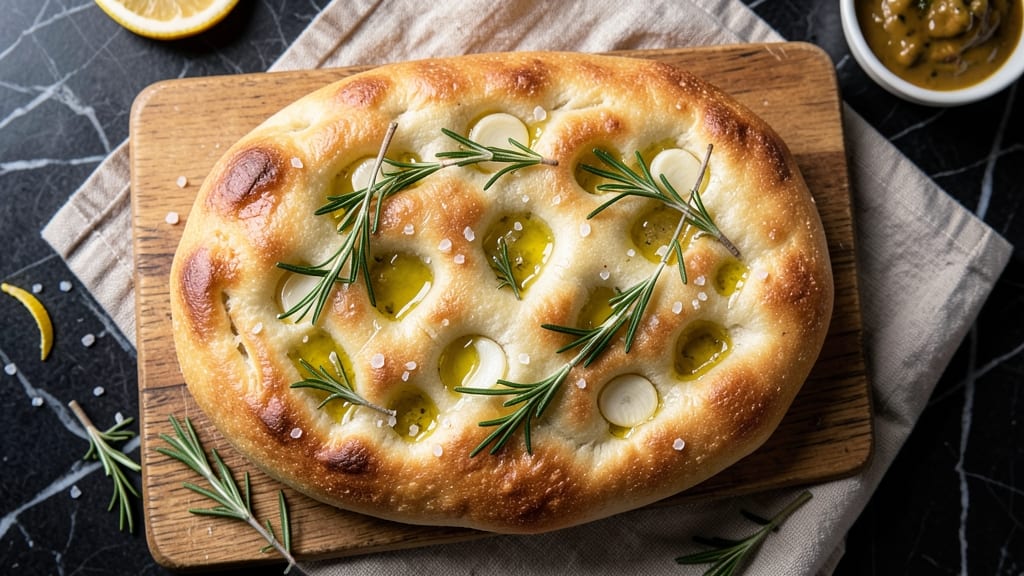
This airy focaccia bread recipe delivers the perfect balance of crispy crust and pillowy interior—no fancy equipment required. The secret lies in a gentle kneading process and strategic olive oil pooling that creates those signature dimples and golden edges.
After years of perfecting my technique, I’ve finally cracked the code for a focaccia that’s both restaurant-worthy and foolproof at home.
What sets this recipe apart is the 30-minute resting time before baking, which allows the dough to relax and develop its signature softness. The dough itself is simple—just flour, yeast, olive oil, water, and salt—but the technique transforms it into something extraordinary.
A high-heat bake at 425°F ensures a crispy crust while keeping the interior tender and airy.
By the time it emerges from the oven, you’ll have a focaccia with a golden, oil-pooled crust and a crumb so soft it practically melts in your mouth. The aroma alone—warm, buttery, and fragrant with olive oil—will have everyone asking for seconds.
This is the kind of bread that elevates any meal, from casual lunches to festive dinners.
Optional toppings like fresh rosemary or a final drizzle of olive oil add extra flavor, but even plain, this focaccia is irresistible. Let’s get started—your kitchen will smell like a Tuscan bakery in no time.
Ingredients for airy focaccia bread
Five simple ingredients transform into restaurant-quality focaccia with just olive oil and patience.
| Ingredient | Amount | Notes |
|---|---|---|
| All-Purpose Flour 🌾 | 4 cups | Spooned and leveled for accuracy |
| Instant Yeast 🍞 | ½ tsp | Not active dry yeast |
| Diamond Crystal Kosher Salt 🧂 | 1 ½ tsp | Not table salt, measure carefully |
| Extra-Virgin Olive Oil 🫒 | ¾ cup | High-quality, fruity variety |
| Warm Water 💧 | 1 ½ cups | 110°F for optimal yeast activation |
| Fresh Rosemary 🌿 | ¼ cup | Finely chopped, stems removed |
| Flaky Sea Salt 🧂 | ¼ cup | For final crust sprinkle |
| Coarse Cornmeal 🌽 | ¼ cup | For dusting baking sheet |
The flour is your foundation—King Arthur or Caputo Tipo 00 if you want that authentic Italian texture, but all-purpose works perfectly fine. Yeast is non-negotiable here; instant yeast dissolves directly into the water, so no proofing step needed. The olive oil? Don't skimp—this is what creates those signature pools and golden crust. Grab a high-quality extra-virgin from Trader Joe's or Whole Foods if you're unsure. Fresh rosemary adds that Tuscan aroma, but dried works in a pinch (use half the amount). For the salt, Diamond Crystal kosher is ideal—it dissolves cleanly and enhances flavor without overpowering.
No instant yeast? Active dry yeast needs proofing—dissolve it in warm water with a pinch of sugar first. Short on rosemary? Thyme or oregano work beautifully too. The cornmeal is optional but helps prevent sticking—polenta works too. For extra flavor, add a sprinkle of garlic powder or red pepper flakes to the dough before baking. And if you're feeling fancy, toss in a few sun-dried tomatoes or olives right before baking. The key is to keep the dough simple but the technique precise—the gentle kneading and 30-minute rest make all the difference.
This dough is best used fresh, but you can prep it 12 hours ahead and let it rest in the fridge. Just bring it to room temperature before shaping. The focaccia keeps well at room temperature for 2 days wrapped in a clean kitchen towel, or 3 days in the fridge. For longer storage, slice and freeze—3 months is no problem. Reheat slices in a toaster or oven until crispy again. And trust me, the leftovers are even better the next day—if there are any left!
Why You'll Love This Recipe
- No-Knead Magic: I swear by the simplicity of this dough—just mix, rest, and bake. No standing at the counter for hours, no fancy techniques. The instant yeast does all the work while I sip my coffee.
- Olive Oil Luxury: That first drizzle of extra-virgin olive oil isn’t just flavor—it’s the secret to that irresistible crispy crust and tender crumb. Honestly, the aroma alone makes my kitchen feel like a Mediterranean bistro.
- Weeknight Swiss Army Knife: Tear it for sandwiches, toast it for breakfast, or freeze slices for quick garlic bread later. Between us, I’ve used it to soak up marinara, crumble over salads, and even as a makeshift pizza crust.
- Budget-Friendly Staple: Five ingredients, zero frills, and enough leftovers to feed the family for days. The kosher salt and olive oil stretch further than you’d think, and the dough’s forgiving nature means no wasted batches.
Step-by-step instructions for airy focaccia bread
Here's how to create that signature olive oil-pooled crust with pillowy softness inside.
Activate the Yeast and Mix the Dough
In a large mixing bowl, combine the 4 cups all-purpose flour, 1.5 tsp diamond crystal kosher salt, and 0.5 tsp instant yeast. Make a well in the center and pour in the 1.5 cups warm water (about 110°F) and 0.75 cup extra-virgin olive oil. Use a wooden spoon to gradually incorporate the dry ingredients into the wet, mixing just until a shaggy dough forms.
Let the dough rest for 5 minutes while you prepare the baking sheet. This brief pause allows the flour to fully hydrate and the gluten to begin developing. The dough should look sticky but cohesive—don't be tempted to add more flour yet. The texture is intentional for that signature airy crumb.
Knead and Shape the Dough
Lightly dust a clean surface with flour (just enough to prevent sticking) and turn out the dough. Knead for 5-7 minutes by hand, folding and pressing the dough until it becomes smooth and elastic. You'll know it's ready when it springs back slowly when poked and doesn't stick to your fingers.
Shape the dough into a 12x16-inch rectangle about 1-inch thick on a parchment-lined baking sheet. The dimensions matter—this creates the perfect surface area for those signature dimples and crispy edges. Press gently with your fingertips to distribute the dough evenly, leaving about 1-inch border around the edges.
First Rise and Olive Oil Pool
Cover the baking sheet loosely with plastic wrap and let the dough rise at room temperature for 1-1.5 hours. You're looking for the dough to puff up noticeably and fill about 75% of the baking sheet. The edges should pull away slightly from the sides, indicating proper fermentation.
After rising, use your fingertips to create 1-inch deep dimples all over the surface, pressing down firmly but not piercing through. This creates those classic focaccia pockets. Then generously drizzle the remaining olive oil (about 2-3 tablespoons) over the top, letting it pool in the dimples. Sprinkle with the 0.25 cup finely chopped fresh rosemary and 0.25 cup flaky sea salt, pressing lightly so they adhere.
Final Rise and Bake to Perfection
Let the focaccia rise again for 30-45 minutes until it puffs up noticeably and the dimples deepen. Preheat your oven to 425°F while it rises—this high temperature is crucial for that crispy crust. Dust a baking sheet with 0.25 cup coarse cornmeal to prevent sticking when you transfer the focaccia.
Bake for 20-25 minutes until the crust turns a deep golden brown and sounds hollow when tapped on the bottom. The edges should be crisp while the center remains soft and pillowy. If the top browns too quickly, tent loosely with foil after 15 minutes to prevent over-browning while the center finishes baking.
Rest and Serve
Remove from the oven and let the focaccia rest for 5-10 minutes before slicing. This resting period allows the steam to redistribute, keeping the interior moist. The crust should be crisp and shatterable, while the interior should be soft enough to pull apart with your fingers.
Slice into squares or rectangles and serve warm. The olive oil pools should be golden and fragrant, with a perfect balance of crispy crust and tender crumb. For best results, enjoy within 2-3 days—the texture softens as it cools, but reheating in a 350°F oven for 5-10 minutes restores its warmth.
Pro Tips For Making Airy Focaccia Bread
- STRETCH THE DOUGH: Focaccia needs space to rise properly—don’t crowd it in the pan. Use a 9x13-inch sheet pan (or larger) and spread the dough thinly, even if it looks underfilled. The more surface area, the lighter and airier the crumb.
- WEIGH YOUR FLOUR: Scooping flour from the bag adds air and inconsistency. Use a kitchen scale for precise measurements—this recipe relies on the ratio of flour to water. A 1-gram difference can make your focaccia dense instead of fluffy.
- DON’T RUSH THE RISE: Instant yeast works fast, but that doesn’t mean you should skip the full rise time. Let the dough sit in a warm spot for at least 1–1.5 hours until it’s puffed and springs back slowly when poked. Rushing this step leads to a flat, gummy mess.
- OIL THE PAN WELL: Focaccia isn’t just about the oil in the dough—it’s also about the pan. Brush the bottom and sides with extra-virgin olive oil before adding the dough, then drizzle generously after shaping. This guarantees a crisp crust and prevents sticking. (Yes, even if it feels like overkill.)
Serving suggestions for this recipe
Breakfast Pairings
Serve warm focaccia alongside scrambled eggs with feta for a Mediterranean-inspired breakfast. The crispy crust soaks up the creamy egg mixture beautifully, while the rosemary adds freshness.
For a sweet option, top with ricotta cheese, a drizzle of honey, and sliced almonds—the olive oil pools add a luxurious touch. 🌞
Lunch & Light Meals
Use focaccia as a base for Caprese sandwiches—layer with fresh mozzarella, tomato slices, and a sprinkle of balsamic glaze. The pillowy interior holds up perfectly to the juicy tomato.
For a heartier lunch, pile with prosciutto, arugula, and mascarpone cheese for an Italian-inspired open-faced sandwich. The crispy edges add satisfying texture.
Dinner Accompaniments
Pair your focaccia with roasted vegetables like zucchini, bell peppers, and cherry tomatoes for a simple yet elegant side. The focaccia’s olive oil pools complement the charred flavors beautifully. For a richer option, serve alongside garlic butter shrimp or grilled chicken—the bread soaks up any remaining sauce. 🍽️
Dessert Surprise
Drizzle leftover focaccia with warm chocolate sauce and sprinkle with crushed pistachios for a decadent dessert. The crispy crust contrasts perfectly with the creamy chocolate. For a lighter option, top with mascarpone cream and fresh berries—the rosemary adds an unexpected but delightful herbal note.
Wine & Drink Pairings
A crisp Italian Pinot Grigio or Sauvignon Blanc complements the focaccia’s olive oil and rosemary flavors beautifully. For a non-alcoholic option, serve with sparkling water with lemon or iced hibiscus tea—the acidity cuts through the richness. A light Prosecco also works well for celebrations. 🍷
Make-Ahead Serving
Slice cooled focaccia and store in an airtight container for up to 3 days. Reheat slices in a toaster or oven at 350°F for 5-10 minutes to restore crispiness.
Serve as a garlic bread appetizer with marinara sauce or as a side for charcuterie boards—the texture holds up perfectly even after reheating. 💡
Nutrition facts
Frequently asked questions
Why does my focaccia turn out dense instead of airy?
The most common culprit is over-kneading or skipping the 30-minute rest before baking. This recipe relies on gentle handling—knead just until smooth (5-7 minutes) and let the dough relax. Cold dough also causes density, so use room-temperature ingredients. If your kitchen is chilly, let the water and oil sit out for 10 minutes before mixing.
Can I make focaccia without rosemary?
Rosemary is optional, but it adds that classic Tuscan aroma. Swap it for thyme, oregano, or even garlic powder (½ tsp) for a different flavor profile. For a savory twist, try sun-dried tomatoes or olives pressed into the dimples before baking. The key is to keep the dough simple—focus on the technique, not just the toppings.
How do I fix focaccia that's too greasy?
Too much olive oil is the usual issue. Start with the 0.75 cup called for, then add just 2-3 tablespoons for pooling—don't overdo it. If your focaccia is soggy, bake it longer (5-10 extra minutes) at 375°F to crisp the crust. For next time, pat the dough dry with a paper towel before shaping to absorb excess moisture.
Can I bake focaccia in a smaller pan?
Yes, but expect a thicker crust. For a 9x13-inch pan, reduce the dough to 3 cups flour and adjust the shape to ½-inch thick. The 12x16-inch size creates those signature dimples and crisp edges, but a smaller pan works for personal servings. Just bake at 400°F for 18-22 minutes—the lower temp prevents over-browning while the center cooks.
What's the secret to extra-crispy crust?
Preheat your oven to 425°F for at least 20 minutes before baking—this ensures even heat transfer. For maximum crispiness, bake on the middle rack and use a baking stone or steel if available. After baking, let it cool for 5 minutes on the sheet before transferring—this traps heat for a longer crisp.