
Side Dishes
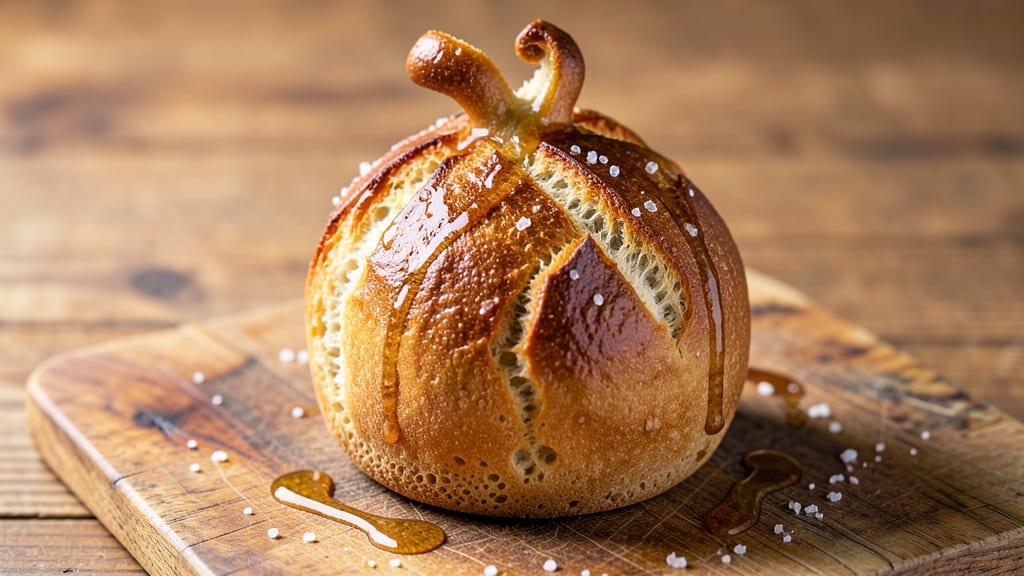
This airy French bread recipe delivers the perfect balance of pillowy softness inside and a crispy golden crust that's impossible to resist. 🌟 The secret lies in precise dough handling, proper proofing, and baking at the right temperature—techniques that transform simple ingredients into restaurant-quality bread at home.
With just four basic ingredients—flour, water, yeast, and salt—you'll create a dough that develops an open, airy crumb structure through careful kneading and resting. The key steps include a gentle knead, two proofing stages, and shaping the dough into a classic batard or boules.
Baking at high heat creates that coveted crispy crust while keeping the interior tender.
What you'll achieve is bread with an irresistible texture: a crisp exterior that shatters slightly when torn, revealing a soft, airy interior with those signature open crumbs.
This is the kind of bread that makes toast, sandwiches, and dipping in soups an experience. The aroma alone will have everyone asking for seconds.
Optional variations like adding herbs or seeds can customize the flavor while maintaining that perfect texture. Let's get started on creating your own loaf that rivals artisanal bakery bread.
Ingredients for airy french bread
Four essential ingredients transform into bread with restaurant-quality texture and aroma.
| Ingredient | Amount | Notes |
|---|---|---|
| All-Purpose Flour 🌾 | 5 cups | High-protein preferred for structure |
| Active Dry Yeast 🍞 | ¼ oz | Fresh yeast preferred if available |
| Granulated Sugar 🍚 | 1 tbsp | Feeds yeast for activation |
| Diamond Crystal Kosher Salt 🧂 | 2 tsp | Adjust for salt content |
| Lukewarm Water 💧 | 2 ½ cups | 105-110°F ideal temperature |
| Extra-Virgin Olive Oil 🫒 | 1 tbsp | For dough handling |
| Cornmeal or Semolina 🌽 | ¼ cup | For dusting work surface |
| Coarse Cornmeal 🌽 | ½ cup | For bread scoring |
The flour is non-negotiable—high-protein all-purpose (like King Arthur or Gold Medal) gives that signature open crumb structure. Bulk bins at Whole Foods or King Arthur Flour are my go-tos for consistent quality. Yeast is the magic ingredient here, so check freshness by testing in warm water with sugar—it should foam within 10 minutes. If using active dry yeast, store it in the freezer to preserve potency. The water temperature matters critically: too hot kills yeast, too cold prevents activation. Aim for 105-110°F—warm to the touch but not scalding. For the olive oil, California Avocado Ranch or Bertolli brands deliver consistent quality without overpowering flavor.
No yeast on hand? Instant yeast works at half the amount, though timing may vary slightly. Substituting sugar? Honey or maple syrup works in equal measure, but the flavor profile shifts subtly. For the salt, Diamond Crystal is less dense than Morton, so measure carefully—2 tsp of Diamond Crystal equals 1 tsp of Morton. The cornmeal options can be swapped: semolina adds a slightly nuttier flavor, while white cornmeal keeps the bread neutral. If you're short on time, pre-mixed bread flour (like Bob's Red Mill) can simplify the process while maintaining texture. For scoring, a lamé or razor blade creates clean cuts, but a sharp knife works in a pinch—just ensure it's dust-free to prevent sticking.
Freshly mixed dough keeps in the fridge for up to 24 hours if sealed airtight, though it loses some lift. For longer storage, freeze shaped loaves (unbaked) on a tray, then transfer to a bag for up to 3 months. Thaw overnight in the fridge before baking. The crust develops best when baked immediately, but you can par-bake for 10 minutes, then finish later. For maximum freshness, bake within 4 hours of shaping—this bread doesn't improve with age like some sourdoughs. Leftovers? Toast within 2 days for peak crispiness, or store in a bread box to maintain texture.
Why You'll Love This Recipe
- Five-Ingredient Magic: I swear by this list—flour, yeast, sugar, salt, and water. That’s it. No fancy starters or obscure pantry finds. The yeast does all the work while I mix, and the sugar just gives that subtle sweetness that makes every bite sing.
- Crispy Yet Pillowy: The secret’s in the kneading (or lack of it) and that first 10 minutes in the oven. The exterior cracks into golden perfection while the inside stays light as a cloud. Honestly, it’s the kind of texture that makes you pause mid-bite.
- Weeknight Hero: Toss a loaf in the oven while dinner simmers, and you’ve got warm bread in 45 minutes. Between us, this is how I survived my first year of teaching—always one batch in the oven, ready to soak up soup or slather in butter.
- Budget-Friendly Staple: A single batch costs me less than $2, and it stretches across three days—sandwiches, toast, or garlic butter dipping. My wallet and my family thank me every time I pull this recipe out. (Yes, even on a Tuesday night.)
Step-by-step instructions for pillowy French bread
Master the art of French bread with this method—light, airy crumb and that coveted crisp crust.
👨🍳 Step 1: Activate the Yeast for Maximum Rise
In a small bowl, combine the 2.5 cups lukewarm water, 1 tbsp granulated sugar, and 0.25 oz active dry yeast. Stir gently and let sit for 5-10 minutes until foamy. You should see bubbles forming and the mixture expanding—this confirms the yeast is alive and ready to work.
If no bubbles appear after 10 minutes, your yeast is inactive. Start fresh with a new packet—this is critical for achieving that signature airy texture. I always test yeast this way before committing to the full recipe, especially in cooler kitchens.
🍳 Step 2: Mix the Dough Until Silky Smooth
In the bowl of a stand mixer fitted with the dough hook, combine the 5 cups all-purpose flour and 2 tsp diamond crystal kosher salt. Add the yeast mixture and 1 tbsp extra-virgin olive oil to the bowl. Mix on low speed for 2 minutes until a shaggy dough forms.
Increase speed to medium and knead for 5-7 minutes until the dough becomes smooth and elastic, pulling away from the sides of the bowl. The dough should be slightly tacky but not sticky—this indicates proper hydration. If it's too wet, add 1 tbsp flour at a time until it reaches the right consistency.
⏰ Step 3: First Rise - Patience for Perfect Texture
Lightly oil a large bowl, place the dough inside, and cover with a damp kitchen towel. Let rise in a warm place for 1-2 hours or until doubled in size. The dough should feel springy when pressed gently—this is your signal that fermentation is working.
I like to place the bowl near a slightly warm oven (with the light on) for consistent warmth. Avoid cold drafts, which slow yeast activity. If the dough rises too quickly (under 1 hour), it may collapse during baking—this is why the 2-hour window works best for reliable results.
👨🍳 Step 4: Shape and Second Rise for Structure
Turn the dough onto a surface dusted with 0.25 cup cornmeal or semolina. Gently deflate the dough and divide it into 4 equal portions. Roll each portion into a 12-inch log, tapering the ends slightly. This shape ensures even baking and that classic French bread silhouette.
Place the shaped loaves on a parchment-lined baking sheet, seam-side up. Cover loosely with the damp towel and let rise for another 30-45 minutes until puffy. The dough should spring back slowly when poked—this indicates it's ready for the oven and will yield that signature open crumb.
🔥 Step 5: Bake for Crispy Crust and Airy Crumb
Preheat your oven to 425°F with a baking stone or inverted baking sheet inside. Once hot, score each loaf diagonally with a sharp razor blade, cutting about ½-inch deep through the 0.5 cup coarse cornmeal (dust your blade first to prevent sticking). This creates steam channels for that signature open crumb.
Bake for 20-25 minutes until the crust is deep golden brown and sounds hollow when tapped on the bottom. The internal temperature should reach 190-200°F. For extra crispiness, I finish with a 5-minute broil under the preheated broiler, watching closely to avoid burning.
⏰ Step 6: Cool and Serve for Maximum Freshness
Remove the loaves from the oven and transfer them to a wire rack. Let cool for at least 15 minutes before slicing—this allows the steam to escape and prevents a gummy interior. The bread will continue to firm up as it cools, developing that perfect contrast between crisp crust and tender crumb.
For best results, serve within 24 hours when the bread is at its peak. Store wrapped at room temperature if not serving immediately. The first slice should reveal an open, airy crumb with a crackly crust that shatters slightly—this is your reward for perfect technique.
Pro Tips For Making Airy French Bread
- Measure Yeast Precisely: Diamond Crystal kosher salt is not the same as table salt—use a scale for yeast instead of eyeballing it. I learned this the hard way when my dough rose unevenly; 1/4 teaspoon is 3.5 grams, not 1 teaspoon. Trust the numbers here.
- Knead Until Elastic: Stop when the dough springs back slowly when poked—about 8-10 minutes by hand. Over-kneading makes gluten tight and dense; under-kneading leaves it gummy. Feel for resistance, not exhaustion.
- Skip the Crowding: Let dough rise in a bowl just 70% full—it’ll double, then triple. I used to pack it in tight, and the edges would stay doughy while the top puffed. Give it room, or you’ll end up with a lopsided loaf.
- Use a Thermometer: Lukewarm water should be 95°F (35°C)—yeast dies above 110°F (43°C). My first batch failed because I guessed, and the yeast fizzled. A cheap instant-read thermometer solves this instantly.
Flavor customization for airy french bread
Herb-Infused Variations
Add 1 tbsp chopped fresh rosemary or thyme directly to the dough during mixing for an aromatic twist. The herbs will infuse the bread with earthy notes while maintaining that signature airy texture.
I recommend using dried herbs at half the amount if fresh isn't available—just crush them between your palms first to release their oils. 🌿
Seedy Crunch Additions
For texture contrast, mix 2 tbsp poppy seeds or sesame seeds into the dough during the final kneading stage. These seeds will toast beautifully in the oven, adding a delightful crunch to each bite.
For a more rustic look, sprinkle 1 tbsp coarse sea salt directly on the shaped loaves before baking—it'll melt slightly into the crust for extra flavor.
Garlic and Parmesan Twist
Create a flavor-packed version by adding 1 minced garlic clove and ¼ cup grated Parmesan cheese to the dough. The garlic will mellow during baking while the cheese adds umami depth.
For extra richness, brush the baked loaves with garlic-infused olive oil (steep 2 garlic cloves in ¼ cup olive oil for 30 minutes) before serving.
Sweet Variations
Transform your French bread into something special by adding ¼ cup honey or maple syrup to the dough instead of granulated sugar. This creates a subtle sweetness that pairs beautifully with savory toppings.
For a dessert version, sprinkle 1 tbsp cinnamon and ½ cup raisins into the dough before shaping—these loaves make incredible French toast the next morning.
Spicy Kick Option
For heat lovers, add ½ tsp cayenne pepper or 1 tsp smoked paprika to the dough. The spices will infuse the bread with warmth while keeping the airy texture intact.
I like to pair this version with garlic butter or spicy tomato jam for dipping. For extra drama, sprinkle red pepper flakes on top before baking.
Cheesy Pull-Apart Loaves
Create a pull-apart version by dividing the dough into 6 portions instead of 4, then stuff each with 2 tbsp shredded mozzarella before shaping. Bake as directed, but reduce the temperature to 375°F to prevent burning the cheese.
The result is gooey, cheesy bread perfect for sharing—ideal for game day or family gatherings. 🧀
Nutrition facts
Frequently asked questions
Why does my French bread turn out dense instead of airy?
Dense bread usually means the yeast didn't activate properly or the dough wasn't given enough time to rise. Always test your yeast first in warm water with sugar—it should foam within 10 minutes. Also, ensure your dough doubles in size during both rises (1-2 hours first rise, 30-45 minutes second rise). Cold drafts or over-kneading can also prevent proper air development.
Can I make this bread without a stand mixer?
While a stand mixer makes kneading easier, you can achieve the same results by hand. Knead the dough on a floured surface for 8-10 minutes until smooth and elastic. The key is consistency—press and fold the dough repeatedly until it springs back when poked. Patience is key for that signature airy texture!
How do I get that perfect crispy crust while keeping the inside soft?
The secret lies in high heat and steam. Preheat your oven to 425°F with a baking stone or inverted sheet inside. Score the dough before baking to create steam channels, then bake until the crust is deep golden brown. For extra crispiness, finish with a 5-minute broil under the preheated broiler. Let the bread cool on a wire rack for 15 minutes before slicing—this helps the crust set properly.
What's the best way to store leftover French bread?
For maximum freshness, store your bread in a paper bag at room temperature for up to 2 days. The paper bag helps maintain moisture while preventing sogginess. For longer storage, wrap individual slices in aluminum foil and freeze for up to 3 months. To revive frozen bread, toast directly from frozen for 2-3 minutes at 375°F.
Can I add herbs or seeds to this recipe without ruining the texture?
Yes! You can add up to 2 tbsp of seeds (like poppy or sesame) or 1 tbsp chopped fresh herbs (like rosemary or thyme) during the final kneading stage. For best results, use dried herbs at half the amount and crush them first to release their oils. The texture remains airy, but the flavor gets a delicious boost. Just be careful not to overdo it—too many add-ins can make the dough too stiff.