
Side Dishes
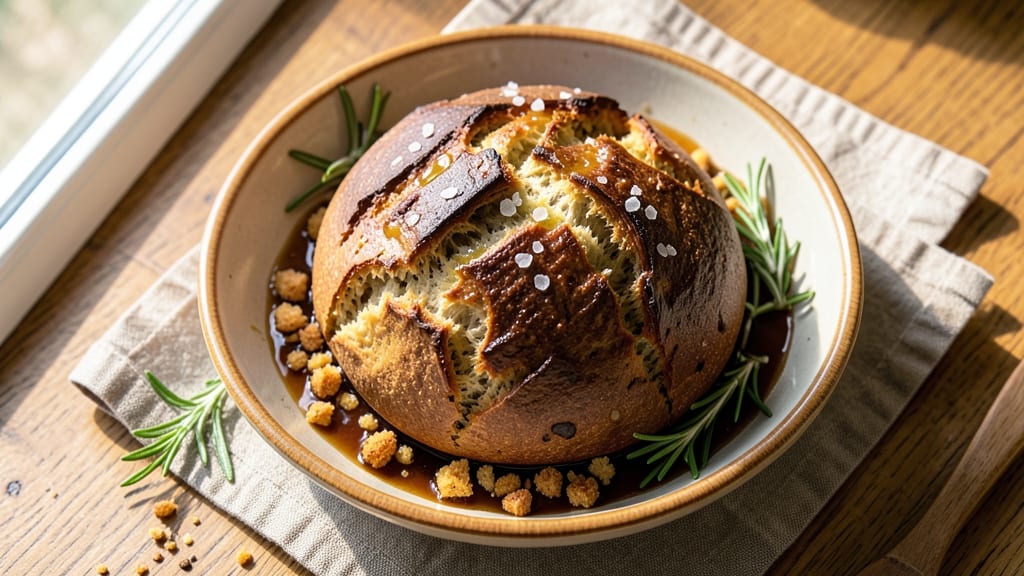
This ale bread recipe delivers a rustic, crusty loaf with deep fermented flavor and irresistible crunch—perfect for pairing with soups or slathering with butter. The secret lies in using ale instead of water, which adds subtle malt sweetness and helps create that signature crisp exterior. I’ve perfected this version after years of baking, ensuring a foolproof method that yields a loaf with a golden crust and tender crumb.
The process starts with activating yeast in warm ale, which infuses the dough with flavor from the very beginning. Unlike traditional bread, this version requires no fancy equipment—just a bowl, a little patience, and a few simple ingredients.
The dough develops a satisfying chewiness as it ferments, and the ale’s natural sugars caramelize during baking, enhancing the bread’s depth of flavor without overpowering it.
By the time it emerges from the oven, you’ll have a loaf that’s crisp on the outside and soft inside, with a subtle malty aroma that lingers.
This bread is versatile enough for everyday meals but impressive enough for guests—ideal for toast, sandwiches, or simply enjoying with a spread of butter and jam. The best part? The fermentation process makes it easier to digest than many commercial loaves.
For added texture, consider mixing in seeds or herbs into the dough before shaping. Once baked, let it cool completely before slicing to preserve that perfect crunch. This recipe is designed to be your go-to for homemade bread that tastes like it came from a traditional bakery.
Ingredients for ale bread
This rustic loaf needs just 12 ingredients for a flavor-packed, crispy-crusted masterpiece.
| Ingredient | Amount | Notes |
|---|---|---|
| Active Dry Yeast 🍞 | 2 ¼ tsp | One packet for convenience |
| Dark Ale Beer 🍺 | 1 ½ cups | Stout or porter preferred |
| All-Purpose Flour 🌾 | 5 cups | Unbleached, spooned and leveled |
| Granulated Sugar 🍚 | 1 tbsp | For yeast activation |
| Kosher Salt 🧂 | 1 ½ tsp | Diamond Crystal preferred |
| Olive Oil 🫒 | 2 tbsp | Extra-virgin for richness |
| Honey 🍯 | 2 tbsp | Wildflower preferred |
| Instant Yeast 🍞 | ½ tsp | Optional for extra rise |
| Cornmeal 🌽 | ¼ cup | For dusting parchment |
| Ice Water 💧 | ½ cup | For shaping dough |
| Sesame Seeds 🌻 | 1 tbsp | Optional for topping |
| Poppy Seeds 🌻 | 1 tbsp | Optional for topping |
The ale is non-negotiable—Guinness or a local craft stout gives the best malt depth. Most grocery stores carry dark ales, but beer shops have better options. If you can't find dark ale, substitute with 1 cup ale + 0.5 cup water, though the flavor won't be as rich. The yeast needs to be fresh, so check the date on the packet. If it's been sitting in your pantry for months, buy a new one. For the flour, King Arthur or Bob's Red Mill brands give the best rise.
No dark ale? Amber ale or even light beer works in a pinch, but the flavor won't be as complex. The honey adds subtle sweetness—substitute maple syrup at 1:1 ratio if you're avoiding honey. For a seed topping, sesame and poppy seeds are classic, but everything bagel seasoning takes this to next level. The olive oil matters here—use extra-virgin for that fruity note that carries through the bread. And if your dough feels too sticky, add 1 tbsp more flour, but don't overdo it or the crumb will get tough.
This dough ferments overnight, so plan ahead. Store it in the fridge in a covered bowl for up to 24 hours—the longer it ferments, the more flavor develops. Once baked, let it cool completely on a wire rack before slicing to preserve that crispy crust. Wrap tightly in a beeswax wrap or foil to keep it fresh for 3-4 days. For extra crunch, reheat slices in a 350°F oven for 5 minutes before serving.
Why You'll Love This Recipe
- Beer-Infused Magic: The dark ale beer isn’t just an ingredient—it’s the secret weapon. That rich, malty depth seeps into every bite, turning ordinary bread into something ridiculously satisfying. Honestly, the first time I pulled a slice from the oven, I nearly dropped it.
- Foolproof First Try: No kneading, no stress—just mix, let it rise, and bake. The yeast and beer do most of the work while you sip your coffee or scroll through your phone. Between us, I’ve made this at least 10 times, and I’ve never had a fail.
- Leftovers? More Like Gold: This bread stays fresh for days, and if you’re like me, you’ll find reasons to eat it all. Toast it for breakfast, use it for sandwiches, or just tear into it straight from the fridge. My kids actually ask for it—no exaggeration.
- Budget Meal Upgrade: A few simple ingredients stretch into a loaf that feels fancy. Dark ale beer adds character without breaking the bank, and the flour and sugar are pantry staples. Suddenly, dinner feels special without the grocery bill screaming at you.
Step-by-step instructions for ale bread recipe
Here's how to craft a rich, aromatic loaf with deep fermented flavor and a perfect crust.
Activate the Yeast with Ale and Honey
In a small bowl, combine the 1.5 cups dark ale beer, 2 tbsp honey, and 1 tbsp granulated sugar with the 2.25 tsp active dry yeast. Stir gently to dissolve the sugar and yeast completely. Let this mixture sit in a warm place for 10-15 minutes until it becomes frothy and bubbly—this indicates the yeast is active and ready to work.
Here's the thing—using ale instead of water gives your bread incredible depth. The malt flavors and slight bitterness from the dark beer will infuse the dough, creating a complex taste you won't get with regular bread. If your mixture doesn't bubble after 15 minutes, your yeast might be dead or the beer too cold—start over with fresh yeast and slightly warmed beer.
Mix the Dough with Olive Oil and Salt
In a large mixing bowl, combine the 5 cups all-purpose flour and 1.5 tsp kosher salt. Make a well in the center and pour in the yeast mixture along with the 2 tbsp olive oil. Using a wooden spoon or your hands, mix until a shaggy dough begins to form.
I like to use my hands for this step—it helps develop the gluten early. Knead the dough on a lightly floured surface for 8-10 minutes until it becomes smooth and elastic. The dough should be slightly tacky but not sticky. If it's too dry, add 1-2 tablespoons of ice water at a time until it reaches the perfect consistency. The olive oil adds richness that pairs beautifully with the ale's maltiness.
First Rise with Optional Instant Yeast Boost
Place the dough back in the mixing bowl, cover it with a damp kitchen towel, and let it rise in a warm place for 1-2 hours or until it has doubled in size. For an extra rise boost (especially if your kitchen is cool), sprinkle the 0.5 tsp instant yeast over the dough before covering—this gives an additional lift without needing to handle the dough.
Here's where patience pays off. The longer you let it rise, the more flavor develops. I often let mine go up to 2 hours if I'm not in a hurry—the extra time creates a lighter, more flavorful loaf. You'll know it's ready when the dough springs back slowly when poked with your finger and has clearly expanded to nearly double its original size.
Shape and Second Rise on Cornmeal
Turn the risen dough onto a lightly floured surface and gently shape it into a round loaf. To create a beautiful crust, place the dough on a piece of parchment paper that's been sprinkled with 0.25 cup cornmeal. This prevents sticking and gives that classic rustic look. Cover loosely with the towel and let it rise again for 30-45 minutes until puffy.
For shaping, I like to use the "stretch and fold" method: gently pull the dough toward you and fold it over itself, rotating the bowl as you go. This builds strength in the gluten structure for a better oven spring. The cornmeal also adds a subtle crunch to the bottom crust that pairs perfectly with the ale's richness.
Bake to Golden Perfection with Seed Topping
Preheat your oven to 375°F with a Dutch oven inside for 30 minutes to create a steamy environment. Carefully transfer the dough (still on its parchment) into the hot Dutch oven. Mix the 1 tbsp sesame seeds and 1 tbsp poppy seeds together, then sprinkle them evenly over the top of the dough.
Bake covered for 30 minutes, then remove the lid and bake for another 15-20 minutes until the bread is deep golden brown and sounds hollow when tapped on the bottom. The seeds will toast beautifully, adding texture and visual appeal. For that perfect crust, I like to spray the inside of the oven with water just before putting the bread in—this creates extra steam for the first few minutes of baking.
Cool and Enjoy the Fruits of Fermentation
Remove the bread from the oven and let it cool on a wire rack for at least 1 hour before slicing. This resting period allows the gluten to relax and the crumb to set properly. The aroma that fills your kitchen during this time is worth the wait—it's pure fermented magic.
Slice into thick pieces to enjoy the perfect balance of crisp crust and soft interior. The ale bread keeps well for 3-4 days at room temperature, though I rarely have any left that long. For extra flavor, try toasting slices and slathering them with butter—it's absolute perfection. The combination of the ale's malt, honey's sweetness, and the nutty seeds creates a loaf that's truly special.
Pro Tips For Making Ale Bread
- Bloom Yeast First: Mix the yeast with warm beer (105–110°F) and sugar before adding flour—let it bubble for 5–10 minutes. I learned this the hard way: skipping it means weaker gluten and a denser loaf, even if the recipe says "just toss it in."
- Use Cold Beer: Chill your dark ale in the fridge for 30 minutes before mixing—it keeps the dough from overproofing while you work. My grandmother swore by this, and she was right: the yeast stays patient, and the flavor stays bold.
- Knead Until Silky: Stop when the dough stretches without shrinking back—about 8–10 minutes by hand. Overworking it makes ale bread gummy; underworking? Dense. Feel for that window where it’s smooth but still slightly tacky.
- Shape Tightly: Roll the dough into a log, pinch the seams shut, and tuck the ends under—this traps steam and gives you that perfect crack. Sounds weird, but it works: even if your loaf isn’t picture-perfect, the texture will be tight and chewy.
Perfect pairings for this recipe
Buttery Spreads
Nothing complements ale bread like a rich, cultured butter spread—I love mixing 2 tbsp softened butter with 1 tsp honey and a pinch of flaky sea salt. The honey echoes the bread's sweetness while the salt balances the ale's maltiness.
For extra decadence, fold in 1 tbsp chopped fresh rosemary or toasted sesame seeds from your bread's topping. 🧈
Soup Pairings
This bread shines with hearty soups where it can soak up flavorful broths. Irish stew with tender lamb and root vegetables is a classic match—the ale bread's crusty exterior contrasts beautifully with the stew's tender meat.
For something lighter, try pairing with cream of mushroom soup—the bread's subtle malty notes complement the earthy mushrooms perfectly.
Cheese Boards
Create a rustic cheese board featuring aged cheddar, brie, and blue cheese alongside your ale bread. The bread's crisp crust pairs wonderfully with soft brie, while the sharpness of aged cheddar cuts through the ale's richness.
Add dried apricots, walnuts, and fig jam for a sweet-savory balance that highlights the bread's depth of flavor. 🧀
Cold Cuts
For a satisfying sandwich, layer prosciutto, smoked gouda, and arugula between thick slices of ale bread. The prosciutto's saltiness enhances the ale's malt flavor, while the gouda adds creamy richness.
Toast the bread lightly before assembling to intensify its crusty texture. This combo makes an impressive lunch or light dinner that feels gourmet without effort.
Sweet Toppings
Don't overlook ale bread's potential as a dessert base! Spread slices with ricotta cheese mixed with honey and zest of an orange, then top with toasted almonds. The bread's subtle sweetness and crusty texture make it perfect for breakfast pastries or after-dinner treats.
For a festive touch, drizzle with dark chocolate and sprinkle with sea salt flakes. 🍯
Beer Pairings
Since ale bread incorporates beer into its dough, pairing it with complementary brews enhances the experience. A stout like Guinness or dark porter mirrors the bread's malt flavors, creating a harmonious match.
For contrast, try a hoppy IPA—the bitterness cleanses your palate between bites. If you prefer wine, a dry Riesling or Pinot Noir works surprisingly well with the bread's complexity. 🍺
Nutrition facts
Frequently asked questions
Why does this ale bread taste different from regular bread?
The ale adds subtle malt sweetness and a slightly bitter depth that regular bread lacks. The fermentation process with beer creates complex flavors—think of it like a slow infusion of flavor during baking. The olive oil and honey also enhance this richness, giving it a more complex profile than standard loaves.
Can I use any beer instead of dark ale?
Technically yes, but dark ales like stout or porter give the best flavor. Light beers will work in a pinch, but the bread will be less rich. For a compromise, mix 1 cup ale with 0.5 cup water to maintain some malt character. The key is using beer that's not too hoppy—flavored beers can overpower the bread.
How do I know when the dough is properly risen?
Press your finger gently into the dough—if it springs back slowly (not immediately) and has clearly doubled in size, it's ready. For the second rise, look for puffiness and a slight dome shape. Cold kitchens may need 2-3 hours for full rise, while warm kitchens can do it in 1 hour. The dough should feel light and airy, not dense.
What if my bread turns out dense instead of crusty?
Dense bread usually means underproofing or overkneading. Next time, let the dough rise longer (up to 2 hours) and avoid handling it too much after shaping. Also ensure your oven is properly heated—375°F is crucial for that crisp crust. For extra crunch, bake with steam by spraying water in the oven before adding the bread.
Can I make this bread without a Dutch oven?
Yes! Use a heavy baking sheet or oven-safe pot with a lid. For extra steam, place a tray of boiling water in the oven below the bread. The key is maintaining moisture during the first 20 minutes of baking. You might need to bake 5-10 minutes longer without the lid to achieve the same crust color.