
Side Dishes
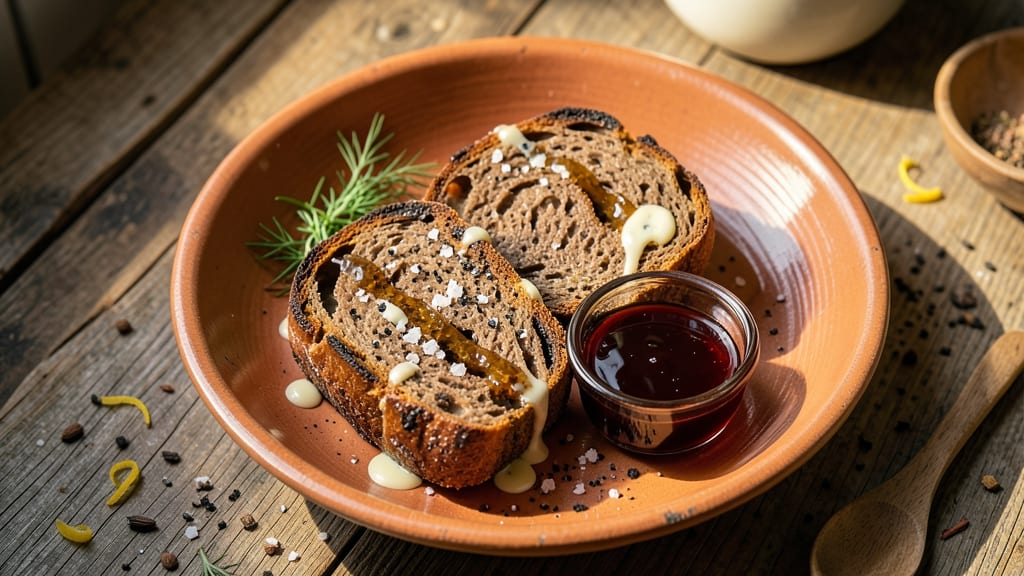
This Austrian bread recipe delivers the deep molasses flavor and dense texture of classic pumpernickel, perfect for hearty meals or café-style sandwiches. The blend of rye and wheat flour creates that signature rustic crumb, while a touch of caraway seeds adds subtle warmth.
I’ve perfected this version to bake in a home oven—no steam injection required—while keeping the rich, slightly sweet notes that make it unforgettable.
The secret lies in the slow fermentation and precise kneading, which develop the bread’s signature chewiness. You’ll work with a stiff dough that requires patience, but the result—a loaf with a dark, crackly crust and a moist interior—is worth every minute.
This recipe stays true to Austrian tradition while adapting for home bakers, using accessible ingredients and clear steps.
Once baked, the bread’s aroma fills your kitchen with a comforting, almost spiced sweetness—ideal for pairing with soups, cold cuts, or simply slathered with butter. The molasses gives it depth without overpowering, making it versatile for both everyday meals and festive occasions.
Whether you’re recreating a Viennese café experience or simply craving a hearty loaf, this bread delivers.
For best results, let the dough rest overnight in the fridge—this enhances flavor and texture. The final loaf will keep well for days, making it perfect for meal prep or gifting. Ready to bake a piece of Austrian tradition at home? Let’s get started.
Ingredients for austrian bread
The perfect blend of rye and wheat flour, molasses, and caraway seeds creates Austrian pumpernickel that tastes like a Viennese café.
| Ingredient | Amount | Notes |
|---|---|---|
| Dark Rye Flour 🌾 | 2 cups | Dark rye for authentic color |
| All-Purpose Flour 🌾 | 2 cups | For lighter texture balance |
| Unsalted Butter 🧈 | ½ cup | Cold, cubed for dough |
| Molasses 🍯 | ⅓ cup | Unsulphured for rich flavor |
| Active Dry Yeast 🍞 | 2 ¼ tsp | Or 1 packet instant yeast |
| Granulated Sugar 🍚 | 1 tbsp | Feeds yeast activation |
| Warm Water 💧 | 1 ¼ cups | 110°F for yeast activation |
| Salt 🧂 | 1 ½ tsp | Diamond Crystal preferred |
| Caraway Seeds 🌿 | 1 ½ tsp | Toasted for deeper aroma |
| Cornmeal 🌽 | ¼ cup | For dusting baking sheet |
| Large Egg 🥚 | 1 whole | For egg wash finish |
| Milk 🥛 | 1 tbsp | For egg wash richness |
The dark rye flour is non-negotiable for that signature deep color and robust flavor—King Arthur or Bob's Red Mill are my go-tos. If you can only find light rye, mix it with 1/4 cup cocoa powder for intensity. Caraway seeds? Toast them first in a dry pan for 30 seconds—they’ll release their aroma instantly. For the yeast, use instant yeast if you have it, but active dry works too (just dissolve it in the warm water first). The molasses should be unsulphured—sulphured molasses tastes bitter. If you can't find it, blackstrap molasses is the next best thing.
No molasses? Maple syrup or dark brown sugar (dissolved in water) will work, but the flavor won’t be quite the same. Running short on rye flour? Substitute with whole wheat flour, but expect a denser loaf. The butter should be cold when you mix it in—this creates the signature flaky layers. If you’re in a pinch, vegetable shortening works, but butter gives that unmistakable richness. For the egg wash, whole milk is ideal, but watered-down heavy cream or even plant-based milk will do in a bind.
This dough is a beast—it needs at least 1 hour of kneading by hand or 5 minutes in a stand mixer with a dough hook. Once shaped, let it rise overnight in the fridge for maximum flavor development. The loaf keeps well for 5-7 days wrapped in a towel, or you can freeze it for up to 3 months. For extra crustiness, brush the baked loaf with melted butter while it’s still warm. And trust me—the first slice is worth every minute of waiting.
Why You'll Love This Recipe
- No-Knead, No-Fuss: I swear by this dough—just mix, let it rise overnight, and bake. The dark rye flour does all the heavy lifting while you sleep, so you’re not stuck shaping anything complicated.
- Molasses Magic: That rich, caramelized molasses gives it a deep, almost cake-like sweetness. It’s not cloying, just a perfect balance of earthy rye and buttery warmth—like a hug in bread form.
- Weeknight Hero: Slice it for breakfast toast, pack it for lunch, or serve it warm with dinner. Honestly, I’ve eaten it straight from the oven with just butter and salt—no judgment here.
- Budget-Friendly Staple: A single batch feeds my family for days, and the ingredients won’t break the bank. The yeast and butter stretch far, and the rye flour adds hearty substance without costing a fortune.
Step-by-step instructions for crusty pumpernickel with molasses depth
Here's how to craft an authentic Austrian loaf with that signature dark crust and rich molasses flavor.
Activate the Yeast and Prepare the Dough Base
In a small bowl, whisk together the 1.25 cups warm water, 1 tbsp granulated sugar, and 2.25 tsp active dry yeast. Let this sit for 5-10 minutes until it becomes frothy and bubbly—this confirms your yeast is alive and ready to work. If it doesn't bubble, your yeast might be dead, and you'll need to start over.
In a large mixing bowl, combine the 2 cups dark rye flour, 2 cups all-purpose flour, 1.5 tsp salt, and 1.5 tsp caraway seeds. Make a well in the center and pour in the yeast mixture along with the 0.33 cup molasses. Using a wooden spoon, gently mix until everything comes together into a shaggy dough. The molasses will add richness and depth to your bread, but don't be surprised if the dough feels sticky—this is normal with rye flour.
Incorporate the Butter and Knead the Dough
Cut the 0.5 cup unsalted butter into small cubes and add them to the dough. Using your hands or a dough hook attachment on low speed, knead the dough for 5-7 minutes until the butter is fully incorporated and the dough becomes smooth and elastic. If it feels too sticky, wet your hands slightly to prevent sticking, but avoid adding extra water—this can weaken the gluten structure.
Transfer the dough to a lightly floured surface and knead for another 2-3 minutes until it's no longer sticky to the touch. Shape it into a round loaf and place it back in the bowl. Cover the bowl with a damp kitchen towel and let it rise in a warm place for 1-2 hours, or until it has nearly doubled in size. You'll know it's ready when you poke it gently and the dough springs back slowly.
Shape and Second Rise for Crusty Texture
Punch down the risen dough to release any air bubbles, then shape it into a round loaf again. Place it on a baking sheet dusted with 0.25 cup cornmeal—this will help create a crispy crust. Cover the dough with the damp towel and let it rise for another 30-45 minutes until it's puffy and slightly domed. This second rise is crucial for achieving that classic pumpernickel texture.
While the dough rises, preheat your oven to 375°F. Once the dough has risen, brush the top lightly with a mixture of 1 whole large egg and 1 tbsp milk for a golden finish. Bake for 35-40 minutes until the crust is deep brown and the internal temperature reaches 190°F. The aroma of freshly baked bread will fill your kitchen—this is the moment you've been waiting for!
Cool and Slice for Maximum Flavor
Remove the bread from the oven and let it cool on a wire rack for at least 1 hour. This step is critical—skipping it will result in a gummy interior. The bread will continue to set as it cools, and the crust will firm up beautifully. Once cooled, slice it thickly and serve it warm with butter or jam for the ultimate Austrian experience.
Here's the thing—this bread tastes even better the next day as the flavors deepen. Store any leftovers in an airtight container at room temperature for up to 3 days, or freeze for longer storage. Enjoy every bite of that rich, molasses-kissed crust and the hearty rye flavor that makes this bread so special.
Pro Tips For Making Austrian Bread
- Bloom Yeast in Warm Molasses: DESCRIPTION:
- Knead Until Silky: DESCRIPTION:
- Proof at Room Temp: DESCRIPTION:
- Brush with Molasses Twice: DESCRIPTION:
Troubleshooting perfect results
Dough Too Sticky
Rye flour absorbs moisture differently than wheat, so your dough will feel unusually sticky. Don’t panic—this is normal! Wet your hands slightly when kneading, but avoid adding extra water, which weakens gluten development.
I find using a stand mixer with a dough hook on low speed helps incorporate ingredients evenly without overworking the dough. If it’s still too sticky after kneading, dust your work surface with a little more all-purpose flour—just enough to make it manageable. 🌾
Yeast Not Activating
If your yeast mixture doesn’t bubble after 10 minutes, it’s likely dead. Check the expiration date—yeast loses potency over time. Store-bought yeast should be fresh, but if you’ve had it for months, replace it.
For a quick fix, try warming the water to 105–110°F (not hotter, or it’ll kill the yeast). If all else fails, use 1 extra packet of yeast (3.5g) to ensure fermentation. 🍞
Uneven Rise or Flat Loaf
A flat loaf usually means the dough didn’t rise enough or was shaped improperly. Ensure your dough has doubled in size before shaping—if it’s sluggish, let it rise longer (up to 2–3 hours). When shaping, handle the dough gently to avoid deflating it.
For extra lift, try placing the dough in a greased bowl during the first rise, then transfer it to a baking sheet for the second rise. A light tap on the bottom of the bowl should make it jiggle slightly if it’s ready. 🌟
Crust Too Pale
A pale crust often means the bread didn’t bake long enough or the oven wasn’t hot enough. Preheat your oven to 375°F and use an oven thermometer to confirm accuracy—many ovens run hot or cold.
For a darker crust, bake the bread on the middle rack and brush it with a little more egg wash before baking. If it’s still pale after 40 minutes, cover it loosely with foil and bake 5–10 minutes more to prevent over-browning. 🔥
Gummy Interior
Skipping the 1-hour cooling time is the #1 cause of a gummy interior. Rye bread needs time to set—rushing this step makes it dense and chewy. If your bread turns out gummy, try baking it 5–10 minutes longer next time and ensuring the internal temperature reaches 190°F.
For extra insurance, brush the baked loaf with melted butter while it’s still warm—this helps crisp the crust and firm up the crumb. 💪
Dense or Heavy Texture
Over-kneading or adding too much water can make the bread dense. Aim for 5–7 minutes of kneading by hand or low speed in a mixer—just until the dough is smooth and elastic. If the dough feels too slack, knead 1–2 minutes longer.
For a lighter texture, reduce the molasses slightly (to ¼ cup) if your dough feels too heavy. Rye bread is naturally dense, but proper kneading and fermentation keep it from being rock-hard. ✨
Nutrition facts
Frequently asked questions
Why does this Austrian bread recipe use both rye and wheat flour?
The combination creates the perfect balance—dark rye flour delivers that signature deep color and robust, slightly sweet flavor, while all-purpose wheat flour adds lightness to prevent a heavy texture. Traditional Austrian bread often blends these for that satisfying chew and aroma.
Can I make this bread without molasses?
Yes, but the flavor will change. Use 1/4 cup maple syrup or 2 tablespoons dark brown sugar dissolved in water instead. For authenticity, try blackstrap molasses if unsulphured isn't available—just reduce to 1/4 cup to avoid overpowering the bread.
How long should I let the dough rise overnight?
For best flavor, refrigerate the dough for 12-16 hours. This slow fermentation develops deeper molasses notes and improves texture. If short on time, let it rise at room temperature for 2-3 hours instead, but expect slightly less flavor complexity.
What's the best way to store leftover Austrian bread?
Wrap cooled slices in a clean kitchen towel and store in an airtight container at room temperature for 3-4 days. For longer storage, freeze slices wrapped in plastic for up to 3 months. Toasting frozen slices revives their freshness perfectly.
Can I add other spices to this recipe?
Try 1/2 tsp cinnamon or 1/4 tsp cloves for warmth, or 1/2 tsp anise seeds for an Austrian twist. Just reduce caraway seeds to 1 tsp to balance flavors. The molasses already adds sweetness, so avoid adding more sugar.