
Side Dishes
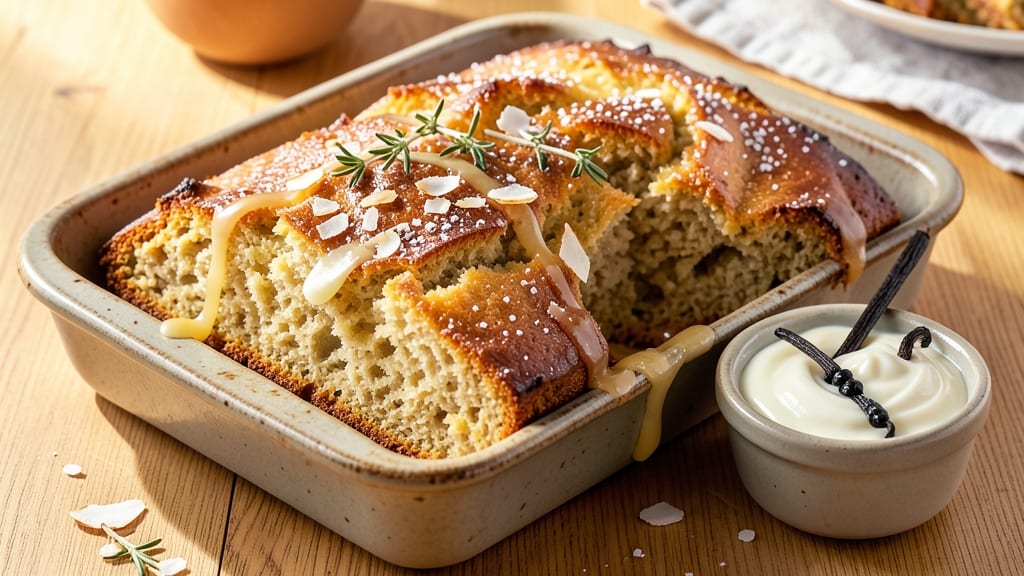
This authentic coco bread recipe brings the comforting flavors of Filipino baking to your kitchen with its signature buttery crust and moist vanilla-coconut core. 🌟 The secret lies in the perfect balance of coconut milk, sugar, and butter, creating a texture that's soft yet slightly chewy—just like Grandma used to make.
I've perfected this recipe over years of baking, ensuring every slice delivers that nostalgic taste of home.
What makes this recipe truly special is its simplicity and versatility. Using just a few key ingredients—flour, eggs, sugar, and coconut milk—you'll create a bread that's naturally vegetarian (though it contains eggs and butter).
The dough is easy to work with, and shaping it into a classic round loaf or individual rolls is a satisfying process that yields beautifully golden results.
The baking process is where the magic happens. As the bread rises, the coconut aroma fills your kitchen, and the crust develops that perfect buttery crunch. Inside, the texture remains tender and moist, with pockets of vanilla-infused coconut flavor that make each bite irresistible.
This bread is ideal for breakfast, merienda (afternoon snacks), or even as a dessert when dusted with powdered sugar.
For those looking to add a twist, consider incorporating ube (purple yam) or cheese into the dough for a flavor variation. Whether you serve it warm with butter or as part of a Filipino spread, this coco bread is sure to become a family favorite.
Let's get started on creating this beloved classic!
Ingredients for authentic coco bread
Coconut milk, butter, and vanilla create this Filipino classic's signature taste and texture.
| Ingredient | Amount | Notes |
|---|---|---|
| All-Purpose Flour 🌾 | 4 cups | Sifted for light texture |
| Granulated Sugar 🍚 | 1 ½ cups | White or light brown |
| Unsalted Butter 🧈 | 1 cup | Cold, cubed, not melted |
| Large Eggs 🥚 | 4 whole | Room temperature |
| Coconut Milk 🥥 | 13 ½ oz | Full-fat canned variety |
| Vanilla Extract 🍯 | 2 tsp | Pure, not imitation |
| Baking Powder 🧂 | 2 tsp | Aluminum-free preferred |
| Salt 🧂 | ½ tsp | Fine sea salt |
| Powdered Sugar 🍚 | ½ cup | For dusting (optional) |
| Shredded Coconut 🥥 | ½ cup | Toasted for extra flavor |
| Milk 🥛 | ½ cup | Whole milk for richness |
The coconut milk is non-negotiable—full-fat canned gives that authentic richness. Filipino markets often carry the best brands, but any 13.5 oz can from the international aisle works. If you can't find full-fat, reduce the water in the can by half for similar texture. The butter should be cold when you mix it—cut it into small cubes right before using. For the flour, King Arthur or Gold Medal brands work perfectly, but any all-purpose will do. Sift it first to avoid dense bread.
No vanilla extract? Seeds from 1 vanilla bean work in a pinch (split the bean and scrape out the seeds). Short on coconut milk? Substitute with evaporated milk plus 1 tbsp coconut oil, but it won't taste identical. The powdered sugar is optional—only use if you're serving this as a dessert. For the shredded coconut, toast it in a dry pan for 2-3 minutes until golden for extra flavor. The baking powder needs to be fresh—test it by mixing with water; if it fizzes, it's good.
Store the dough in the fridge for up to 24 hours if you're not baking it right away. The baked bread keeps well at room temperature for 3 days wrapped in a clean kitchen towel. For longer storage, slice and freeze—reheat in a toaster or oven for that fresh-baked taste. The coconut flavor intensifies after baking, so wait at least 1 hour before slicing for the best texture.
Why You'll Love This Recipe
- No Mixer Needed: I swear, this dough comes together with just my hands—no stand mixer, no food processor, just a bowl and a little elbow grease. The butter and coconut milk blend so smoothly, you’ll wonder why you ever made bread any other way.
- Tropical Comfort in Every Bite: That rich coconut milk and sugar combo gives it a buttery, slightly sweet crunch that’s ridiculously addictive. Honestly? It’s the kind of bread that makes me forget I’m even eating something healthy.
- Weeknight Hero: Slice it warm with butter for breakfast, pack it in lunchboxes, or serve it at brunch—it’s my go-to when I need something effortless but impressive. (Yes, even on a Tuesday night.)
- Budget-Friendly Staple: Uses pantry basics—flour, sugar, butter—and stretches far. I’ve made this for 6 people for under $10, and the leftovers? Still delicious three days later if you refrigerate them right.
Step-by-step instructions for authentic coco bread
Here's how to create that perfect balance of buttery crust and moist, fragrant coconut-vanilla center.
👨🍳 Step 1: Cream Butter and Sugar for Light Texture
In a stand mixer fitted with the paddle attachment, beat the cold, cubed unsalted butter and 1.5 cups granulated sugar on medium speed for 3-4 minutes. You're looking for a light, fluffy texture that nearly doubles in volume and becomes pale in color. This creaming process incorporates air, which creates that signature tender crumb in coco bread.
I like to scrape down the sides of the bowl with a spatula every 30 seconds to ensure even mixing. The butter should be completely creamed with no visible lumps. If you're mixing by hand, this will take about 5 minutes of steady work—don't rush it. The texture should be light and airy, almost like whipped butter.
👨🍳 Step 2: Add Eggs and Vanilla for Rich Flavor
Add the 4 whole large eggs, one at a time, mixing on low speed for 30 seconds after each addition until fully incorporated. Then stir in the 2 teaspoons vanilla extract and 0.5 teaspoon salt. The mixture will look slightly curdled at first, but that's normal—the vanilla and salt will help stabilize it as we add the dry ingredients.
Here's where the magic happens: the coconut flavor needs to shine, so I always use pure vanilla extract (not imitation) and make sure the eggs are room temperature. Cold eggs can cause the batter to separate, and imitation vanilla lacks the depth of flavor we want in authentic coco bread. Mix until just combined—overmixing develops gluten and can make the bread dense.
🥘 Step 3: Combine Dry Ingredients for Perfect Rise
In a separate bowl, whisk together the 4 cups all-purpose flour (sifted for light texture), 2 teaspoons baking powder, and the 0.5 cup shredded coconut. Then gradually add this dry mixture to the wet ingredients, mixing on low speed just until combined. You should still see some flour streaks—this ensures a tender crumb rather than a tough one.
Now fold in the 13.5 oz coconut milk and 0.5 cup milk by hand using a silicone spatula. The batter should be thick but pourable. If it's too thick, add 1 tablespoon of milk at a time until it reaches a consistency similar to thick pancake batter. The coconut milk adds richness and moisture that's essential for that authentic texture.
🔥 Step 4: Bake in Loaf Pans for Even Cooking
Preheat your oven to 350°F. Grease two 9x5-inch loaf pans thoroughly with butter or line them with parchment paper. Divide the batter evenly between the pans and smooth the tops with a spatula. Bake for 50-55 minutes until a toothpick inserted in the center comes out clean and the tops are golden brown.
I always check for doneness at the 45-minute mark—every oven runs slightly differently. The bread should have a beautiful golden crust with a slightly domed top. If the tops brown too quickly, tent loosely with foil after 30 minutes to prevent overbrowning while the centers finish cooking.
⏰ Step 5: Cool and Dust for Perfect Presentation
Remove the bread from the oven and let it cool in the pans for 10 minutes, then transfer to a wire rack. Here's where we add the final touch: dust the warm bread generously with 0.5 cup powdered sugar while still slightly warm. This creates that signature powdered sugar coating that's so characteristic of authentic coco bread.
Let the bread cool completely before slicing—this ensures clean cuts and prevents crumbling. The interior should be moist with a beautiful vanilla-coconut aroma, while the exterior maintains that buttery, golden crust. Slice into 1-inch thick pieces and serve warm with butter or coffee for the ultimate experience.
Pro Tips For Making Authentic Coco Bread
- Whisk Eggs Until Ribbon Stage: The batter won’t hold together properly if the eggs are under-whisked. Draw a line with the whisk—if it holds for 2-3 seconds, you’re good. I learned this the hard way when my first batch collapsed like a sad soufflé.
- Melt Butter Slowly: Don’t nuke the butter in the microwave—it burns and turns grainy. Use a double boiler or low heat in a saucepan, stirring until it’s just liquid but not browned. Trust me, your bread will taste richer for it.
- Measure Coconut Milk Precisely: That can’s label says “13.5 oz,” but the actual liquid is less. Fill a measuring cup to the line—don’t eyeball it. Too much coconut milk makes the bread dense; too little dries it out.
- Grease the Pan Like It’s Your Job: Use a paper towel dipped in melted butter to coat the pan inside and out, including the rim. Skip this, and your bread will stick like glue. (Yes, even if you’re in a hurry.)
Serving suggestions for leftovers
Breakfast Pairings
Serve warm slices of coco bread with a generous spread of Filipino-style butter (like Lacasa) and a cup of hot tsokolate, a rich Filipino hot chocolate made with tablea or melted chocolate.
For a lighter option, pair with turmeric-infused coffee or barako tea—both complement the coconut's natural sweetness beautifully. 🌟
Merienda Snack Spread
Transform coco bread into a merienda (afternoon snack) centerpiece by serving it with ube halaya (purple yam jam) and latik cheese (Filipino caramelized cheese). The contrast between the buttery bread, sweet ube, and salty cheese creates a perfect balance.
Add a side of sago't gulaman (jelly) for a refreshing, tropical touch.
Dessert Presentation
For a dessert version, dust the cooled bread with extra powdered sugar and serve with a scoop of ube ice cream or coconut gelato. Garnish with toasted coconut flakes and a drizzle of coconut caramel sauce for an elegant finish.
The warm bread contrasts beautifully with the cold ice cream, making it a crowd-pleaser at gatherings.
Coffee & Tea Pairings
Enhance your morning routine by pairing coco bread with Filipino brewed coffee (like Barako or Dagupan) or salabat (ginger tea). The bold flavors of the coffee cut through the bread's richness, while the ginger in salabat adds a refreshing zing.
For a festive touch, serve with hot chocolate topped with whipped cream.
Savory Contrast
For a unique twist, serve coco bread with Filipino-style cheese spread (like Edam or cheddar) and a side of pickled vegetables such as atchara (pickled papaya). The tangy pickles balance the sweetness of the bread, creating a savory-sweet harmony that’s unexpected but delicious. Perfect for brunch or light lunch!
Garnish Ideas
Elevate your presentation with simple garnishes like toasted sesame seeds, crushed macadamia nuts, or a sprinkle of cinnamon. For a festive touch, add edible coconut leaves (available at Asian markets) or a dusting of matcha powder for a modern twist.
These small details make your coco bread feel like a special treat. ✨
Nutrition facts
Frequently asked questions
Why does authentic coco bread have that signature buttery crust?
The golden, buttery crust comes from using cold, cubed butter in the creaming step. When you beat the butter with sugar, it incorporates air while staying firm enough to create that perfect crisp exterior. The coconut milk inside keeps the center moist, while the butter creates that irresistible contrast.
Can I make coco bread without coconut milk? What's the best substitute?
While nothing replaces full-fat coconut milk for authenticity, you can use evaporated milk + 1 tbsp coconut oil for a similar texture. For flavor, add ½ tsp coconut extract. If you're avoiding dairy entirely, try almond milk + 2 tbsp coconut cream, but expect a slightly lighter result. The coconut aroma is key to that classic taste!
How do I prevent my coco bread from being too dense?
Overmixing develops gluten, which makes bread dense. Mix the wet and dry ingredients just until combined—you should still see flour streaks. Also, make sure your baking powder is fresh (test by mixing with water; it should fizz) and your butter is cold when creaming. A stand mixer with a paddle attachment helps incorporate air without overworking the dough.
Can I make coco bread in a different shape besides a loaf?
Shape the dough into round buns (like Filipino pan de coco), braided loaves, or even individual muffins. For buns, divide the dough into 12 equal pieces and roll into balls. For braids, divide into 3 strands and twist gently before baking. The baking time may vary slightly—check for doneness with a toothpick.
Why does my coco bread taste more like cake than bread?
This usually happens when the batter is too wet or the baking powder is old. To fix it, reduce the coconut milk by 1-2 tablespoons or add 1-2 extra tablespoons of flour to tighten the texture. Also, ensure your baking powder is fresh—old baking powder loses its lift. The ideal texture should be soft but slightly chewy, not cakey!